Lecithin Standard
Score impact
0.00
points/product
Description
The food additive E322i, commonly referred to as lecithin, is a complex of phospholipids naturally found in the cell membranes of all living organisms. Industrially, it is mainly obtained from vegetable oils, with soy, sunflower, and rapeseed being the most common sources, although it can also be extracted from egg yolk. The process involves hydrating crude oil to separate lecithin gums from the rest of the fat, yielding a final product that can range from a viscous liquid to a granular yellow powder.
Its primary function in the industry is as an emulsifier, allowing the stable mixture of substances that naturally repel each other, such as water and oil. In addition to its ability to improve texture and homogeneity of products, it acts as a synergistic antioxidant, protecting food fats from rancidity. As a substance that the human body uses for vital functions, such as the formation of nervous tissue and cell integrity, it is considered an additive with intrinsic nutritional properties, providing choline and inositol to the diet.
From a regulatory standpoint, E322i is one of the most widely accepted additives globally. The European Food Safety Authority (EFSA) and the JECFA Committee (FAO/WHO) have evaluated its safety on multiple occasions, determining that it is not necessary to establish a numerical Acceptable Daily Intake (ADI). Its use is permitted under the quantum satis principle, indicating that it is considered safe in any amount necessary to fulfill its technological function. This safety is based on the fact that lecithins are metabolized in the same way as natural dietary fats, integrating into the body's standard biological processes.
Lecithin is an essential component in the production of a vast range of processed foods due to its surfactant properties and ability to modify viscosity. In the chocolate industry, E322i is indispensable for controlling the flow of cocoa, reducing the amount of cocoa butter needed and preventing sugar crystallization, ensuring a smooth and melting texture on the palate.
In the bakery and pastry industry, it is added to doughs to improve elasticity and gas retention, resulting in breads with greater volume, a softer crumb, and an extended shelf life by delaying starch hardening. It also plays a vital role in the manufacture of margarines and spreads, ensuring that the aqueous phase remains perfectly dispersed in the fat, preventing the product from separating or splattering excessively when heated in a pan.
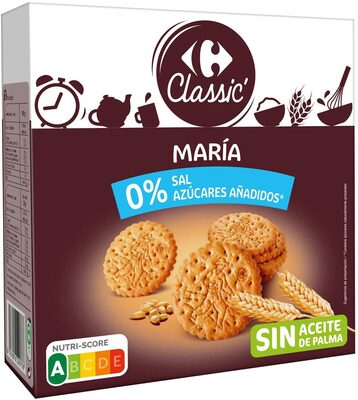
In the Spanish market, the presence of E322i is ubiquitous in daily consumer products found in chains such as Mercadona, Carrefour, or Lidl. It is a key ingredient in powders for preparing instant cocoa drinks, allowing the powder to dissolve quickly in cold milk without forming lumps. It is also commonly found in cookies, cereal bars, and prepared dishes from leading and private-label brands.
According to EC Regulation 1333/2008, lecithins can be used in virtually all categories of processed foods in the European Union. Meanwhile, the FDA in the United States grants E322i the status of Generally Recognized as Safe (GRAS), allowing its use without strict quantitative restrictions, underscoring its technical importance in the international food industry.
The safety profile of E322i is excellent, and the vast majority of the population consumes it daily without any adverse effects. Scientific research by EFSA confirms that it has no acute toxicity, nor genotoxic or carcinogenic effects. Being a lipid component, the body digests and absorbs it efficiently in the small intestine, using it as an energy source or as structural material for cells.
The only relevant safety consideration revolves around food allergies. Since a large portion of commercial lecithin comes from soy, there has historically been concern that it might contain traces of soy proteins that could trigger reactions in allergic individuals. However, current refining processes remove almost all proteins, and clinical studies indicate that soy lecithin is well tolerated by most individuals with soy allergy, although European legislation always requires its mandatory declaration on labeling as a precaution.
In cases of massive consumption through dietary supplements (far above levels found in foods), mild episodes of nausea or diarrhea have been described, but this does not occur with normal dietary intake.
In conclusion, E322i is a safe and beneficial additive that poses no risk to public health according to the scientific consensus of the WHO and EFSA.
- Lecithins
- Soy lecithin (or sunflower)
- Phosphatidylcholine
- Lecithin
Products in our Spanish database containing this additive
Examples found in ComerClaro Spanish product database
Product names and supermarket data may appear in Spanish.


Classification:
Statistics
276
total views
Something wrong?
If you notice incorrect or incomplete information, help us improve the platform.