Rosemary extract
Score impact
+0.50
points/product
Description
The food additive E392, known as rosemary extract, is a natural antioxidant obtained from the leaves of Rosmarinus officinalis L. Its use has become widespread in the food industry as an alternative to synthetic antioxidants.
Industrially, it is obtained by solvent extraction (such as acetone or ethanol) or by distillation, followed by purification and standardization processes to ensure a consistent content of active compounds: carnosic acid, carnosol, and rosmarinic acid. These phenolic compounds are responsible for its antioxidant activity, which acts by scavenging free radicals and chelating pro-oxidant metals. Physicochemically, rosemary extracts are yellow to brown powders or liquids with a characteristic rosemary odor. Their main function is to prevent lipid oxidation, thus protecting the flavor, color, and nutritional value of foods.
The history of its use as an additive dates back to the 1990s, when it began to be investigated as a natural alternative. In the European Union, it was authorized as a food additive in 2008 (Regulation EC 1333/2008) after evaluations by EFSA. EFSA has established an Acceptable Daily Intake (ADI) of 0.3 mg/kg body weight for rosemary extract (expressed as the sum of carnosic acid and carnosol). WHO/FAO has also evaluated it, establishing a similar ADI.
The overall safety assessment is positive: it is considered safe at authorized use levels. On labeling, it must appear as "rosemary extract" or "E392". It is important to note that, although natural, excessive consumption could have adverse effects, but authorized levels are safe.
E392 is mainly used in oils and fats (such as vegetable oils, butter, margarine), processed meat products (sausages, frankfurters), snacks (potato chips, nuts), soups and sauces, and bakery products.
In the Spanish market, it is found in brands such as ElPozo (sausages), Gallo (oils), and Matutano (snacks). Authorized limits vary by category: for example, in unrefined vegetable oils the limit is 100 mg/kg (expressed as the sum of carnosic acid and carnosol), while in heat-treated meat products it can reach 150 mg/kg. Compared to the FDA, the United States also considers it GRAS (Generally Recognized as Safe) for certain uses, with similar limits. Japan allows it as a natural antioxidant without specific limits, but with good manufacturing practices.
Toxicological studies have shown that E392 is safe at authorized use levels.
No significant adverse effects have been documented in humans. In animal studies, very high doses (above 1000 mg/kg/day) have shown effects on the liver and kidneys, but these levels are far above actual human intake. The biological mechanism of the active compounds (carnosic acid and carnosol) includes anti-inflammatory and antimicrobial properties, but no interactions with medications have been reported. Sensitive populations such as children or pregnant women have no additional restrictions, as the ADI covers the entire population.
EFSA concludes that there is no safety concern at authorized levels. WHO also considers it safe. Therefore, no relevant side effects are known for the average consumer.
- Rosemary extract
- Rosemary oleoresin
- Rosemary antioxidant
- E-392
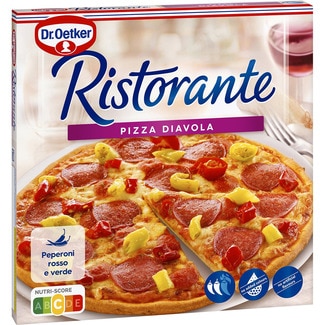
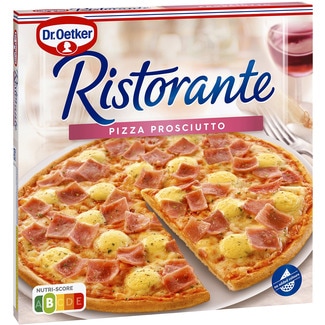
Products in our Spanish database containing this additive
Examples found in ComerClaro Spanish product database
Product names and supermarket data may appear in Spanish.

Classification:
Statistics
252
total views
Something wrong?
If you notice incorrect or incomplete information, help us improve the platform.