Aspartame
Score impact
-0.60
points/product
Description
Aspartame (E951) is a high-intensity artificial sweetener, approximately 200 times sweeter than sugar (sucrose). It was discovered in 1965 by chemist James Schlatter while working on an ulcer formula.
Chemically, it is a methyl ester dipeptide composed of the amino acids L-phenylalanine and L-aspartic acid. Industrially, it is obtained by chemical synthesis: the two amino acids are combined with protecting groups, the peptide bond is formed, esterified with methanol, and finally purified. It is a white, odorless crystalline powder with a melting point of 246-247 °C. It is stable in dry form but hydrolyzes under high temperature or extreme pH conditions, losing its sweetening power. Therefore, it is not suitable for baked or cooked products.
In the European Union, it was approved as a food additive in 1994 after evaluations by EFSA and the Scientific Committee for Food (SCF). EFSA has re-evaluated its safety several times (2006, 2013) and established an Acceptable Daily Intake (ADI) of 40 mg/kg body weight, confirmed by WHO and JECFA. The overall safety assessment is that aspartame poses no health risk at typical consumption levels.
On labeling, it must be declared as 'sweetener: aspartame' or 'E951', and products containing aspartame must include the warning 'contains a source of phenylalanine' to protect individuals with phenylketonuria (PKU).
Aspartame is used in a wide range of food products as a tabletop sweetener, sugar-free soft drinks, yogurts, desserts, chewing gum, candies, ice cream, breakfast cereals, and pharmaceuticals.
In the Spanish market, common examples include Coca-Cola Zero, Aquarius Zero, Actimel 0%, Orbit sugar-free gum, and tabletop sweeteners such as Canderel. Authorized limits in the EU are set in Regulation (EC) No 1333/2008, with maximum amounts varying by food category: for example, 600 mg/kg in non-alcoholic beverages, 2000 mg/kg in desserts, 2500 mg/kg in chewing gum. Compared to the FDA, the ADI is the same (50 mg/kg in the US, 40 mg/kg in the EU). Japan also permits it with similar limits.
It is not allowed in baby foods or products requiring prolonged cooking.
Documented adverse effects of aspartame are limited and mainly affect individuals with phenylketonuria (PKU), a genetic disorder that prevents the metabolism of phenylalanine. For the general population, EFSA and WHO conclude that aspartame is safe at the established ADIs. Some studies have suggested possible neurological effects (headaches, dizziness) in sensitive individuals, but systematic reviews have not found consistent evidence.
The biological mechanism of phenylalanine could affect neurotransmitter levels, but at normal doses this is not relevant. There are no significant drug interactions. In 2013, EFSA ruled out risks of cancer, genetic damage, or effects on the nervous system in humans. In 2023, WHO classified aspartame as 'possibly carcinogenic' (Group 2B) based on limited evidence in humans, but maintained the ADI unchanged, indicating that consumption within limits does not pose a significant risk.
- Aspartame
- APM
- L-alpha-aspartyl-L-phenylalanine methyl ester
- NutraSweet
- Equal
- Canderel
- Intense sweetener
- Aspartyl phenylalanine 1-methyl ester
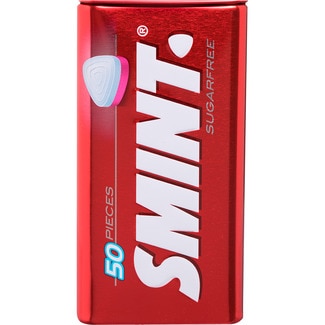
Products in our Spanish database containing this additive
Examples found in ComerClaro Spanish product database
Product names and supermarket data may appear in Spanish.


Classification:
Statistics
265
total views
Something wrong?
If you notice incorrect or incomplete information, help us improve the platform.