Riboflavins
Score impact
+0.60
points/product
Description
The food additive E101, known as riboflavins, is a natural yellow colorant that corresponds to vitamin B2. It is naturally found in foods such as eggs, milk, liver, and green leafy vegetables, but it is also produced industrially for use as an additive. Industrial production is mainly carried out by bacterial or fungal fermentation, using microorganisms such as Ashbya gossypii, Bacillus subtilis, or Candida famata, which naturally produce riboflavin. It can also be obtained by chemical synthesis, although the biotechnological route is the most common.
Riboflavins are water-soluble compounds, stable to heat and oxidation, but sensitive to light, especially in alkaline medium. Their main function as an additive is to provide yellow color to foods, although they also act as a source of vitamin B2, contributing to nutritional value.
Historically, riboflavin was discovered in the 1920s and its use as a colorant was approved in the European Union after evaluations by EFSA (European Food Safety Authority) and WHO (World Health Organization). EFSA has established an Acceptable Daily Intake (ADI) of 0.5 mg/kg body weight, although natural intake through diet is usually sufficient.
The overall safety assessment is very favorable: it is considered a safe, non-toxic additive and beneficial due to its vitamin contribution. On labeling, it must appear as 'colorant: riboflavins' or 'E101'. No significant adverse effects have been reported at the doses used in foods.
E101 is used in a wide variety of food categories, mainly to provide an intense yellow color. According to EC Regulation 1333/2008, it is authorized in dairy products (yogurts, dairy desserts), breakfast cereals, beverages (juices, soft drinks), ice cream, sauces, soups, bakery and confectionery products, and foods for children.
In the Spanish market, it is found in brands such as Danone (yogurts), Kellogg's (cereals), and Font Vella (beverages). Authorized limits vary by category: for example, in non-alcoholic beverages up to 100 mg/L, in yogurts up to 50 mg/kg. Compared to the FDA, which also considers it GRAS (Generally Recognized as Safe), the EU has more specific limits. Japan also allows it without significant restrictions. The usual dose in foods is low, well below the ADI.
Documented side effects of E101 are extremely rare and generally mild. Being a water-soluble vitamin, excess is excreted in urine, which may turn an intense yellow color (harmless effect).
No significant allergic reactions have been reported in controlled studies. EFSA and WHO conclude that there is no evidence of toxicity, carcinogenicity, or teratogenicity at the doses used as an additive. Sensitive populations such as children, pregnant women, or people with glucose-6-phosphate dehydrogenase (G6PD) deficiency do not present additional risks.
No interactions with drugs are known. The ADI of 0.5 mg/kg body weight is widely safe, as the average intake through diet is approximately 1-2 mg/day, well below the limit.
In conclusion, E101 is considered one of the safest additives, with no relevant adverse effects.
- Vitamin B2
- Lactoflavin
- Riboflavin
Products in our Spanish database containing this additive
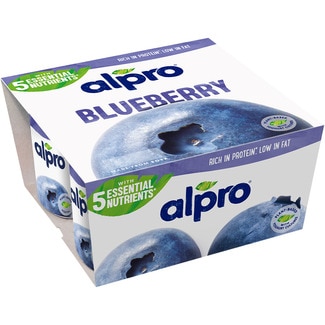
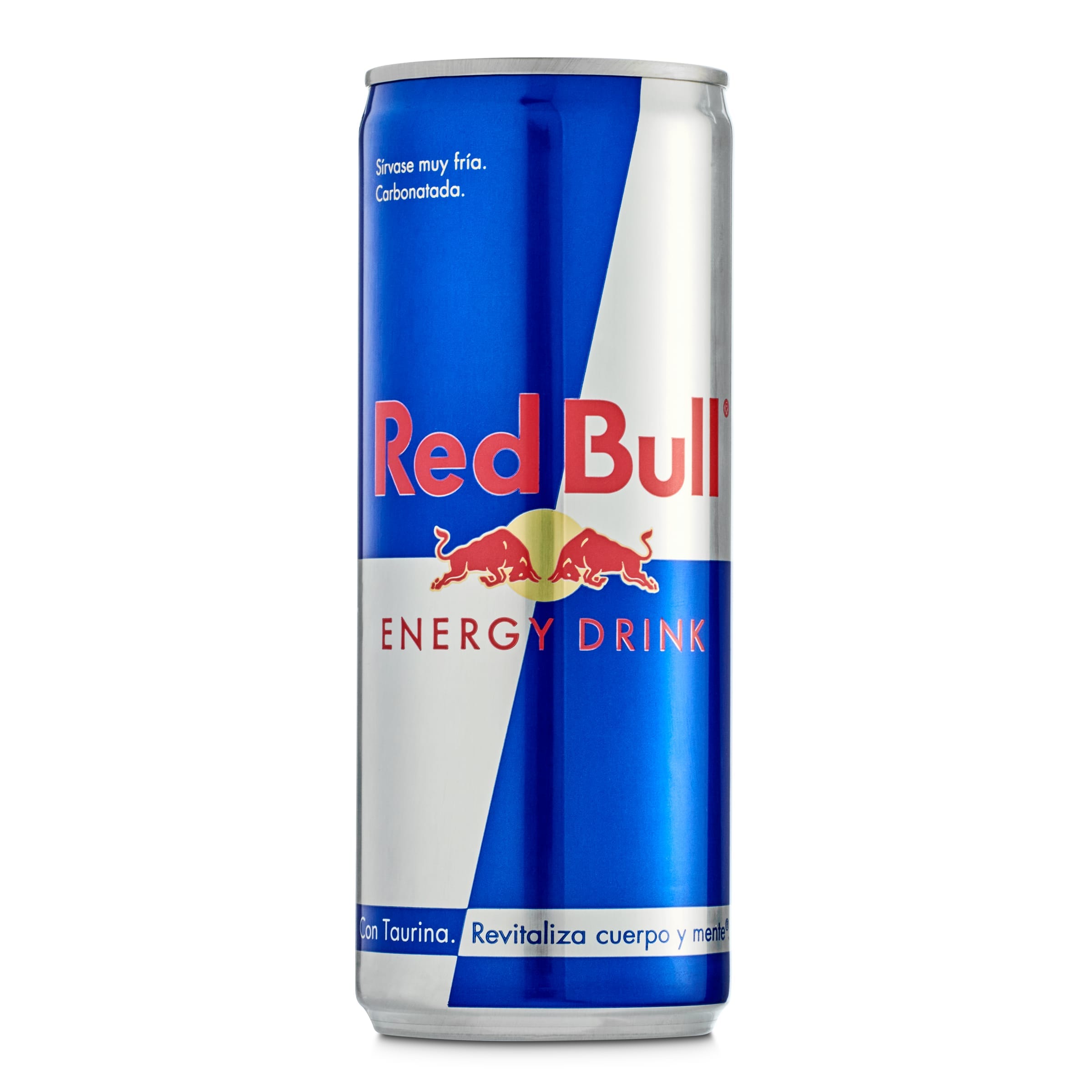
Examples found in ComerClaro Spanish product database
Product names and supermarket data may appear in Spanish.

Classification:
Statistics
270
total views
Something wrong?
If you notice incorrect or incomplete information, help us improve the platform.