Polydextrose
Score impact
0.00
points/product
Description
Polydextrose (E1200) is a food additive primarily used as a thickener, bulking agent, and soluble fiber. It is a glucose polymer synthesized from dextrose, sorbitol, and citric acid through a controlled polymerization process. Industrially, it is produced by heating a mixture of these components under vacuum and high temperature, generating random glycosidic bonds (1→2, 1→3, 1→4, and 1→6) that resist human enzymatic digestion.
Physically, it is a white or slightly yellowish, hygroscopic powder with low sweetness (approximately 10% of sugar) and high water solubility. Its main function in foods is to provide texture and bulk without adding significant calories (approximately 1 kcal/g), and it also acts as a prebiotic by being fermented by the intestinal microbiota.
It was approved in the European Union in the 1980s and is authorized in numerous food categories. EFSA (European Food Safety Authority) has evaluated its safety several times, establishing an Acceptable Daily Intake (ADI) of 90 mg/kg body weight per day. WHO and the Joint FAO/WHO Expert Committee on Food Additives (JECFA) have also evaluated it, confirming its safety at authorized use levels.
Regarding labeling, it must be listed as 'polydextrose' or 'E1200' in the ingredient list. Although considered safe, excessive consumption may cause laxative effects due to its colonic fermentation.
In summary, polydextrose is a versatile and well-tolerated food additive with a favorable safety profile supported by decades of use and scientific studies.
Polydextrose is used in a wide variety of processed foods as a thickener, stabilizer, bulking agent, and added fiber. According to Regulation EC 1333/2008, it is authorized in categories such as fine bakery products (sponge cakes, cookies), breakfast cereals, ice cream, dairy desserts, sauces, processed meat products, non-alcoholic beverages, and food supplements.
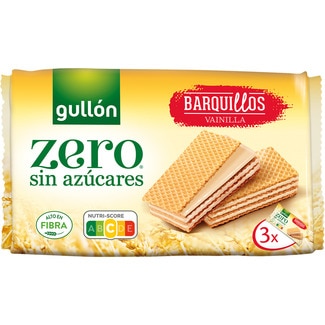
In the Spanish market, it is frequently found in light or reduced-calorie products, such as low-fat yogurts, cereal bars, whole wheat bread, diet cookies, and isotonic drinks. Use limits vary by category; for example, in fine bakery products it may be used up to 50 g/kg, while in ice cream the limit is 30 g/kg. In the United States, the FDA considers it GRAS (Generally Recognized as Safe) and allows its use without specific limits, although good manufacturing practices restrict amounts. In Japan, it is also approved as a food additive.
Polydextrose is especially valued in products for diabetics and weight control diets, as it barely raises blood glucose.
Documented adverse effects of polydextrose are mainly limited to gastrointestinal discomfort when consumed in large amounts. Clinical studies have shown that doses above 50-90 g/day can cause flatulence, abdominal distension, and osmotic diarrhea, due to its fermentation by the intestinal microbiota and its ability to retain water in the colon.
The biological mechanism involves that, not being digested in the small intestine, it reaches the colon where it is fermented by bacteria, producing gases (hydrogen, methane, carbon dioxide) and short-chain fatty acids. Sensitive populations include people with irritable bowel syndrome (IBS) or functional digestive disorders, who may experience symptoms at lower doses.
No significant interactions with medications have been reported, although its consumption together with laxatives could potentiate the laxative effect. EFSA and JECFA conclude that polydextrose is safe at authorized use levels, and that adverse effects only occur with intakes much higher than those expected in a normal diet. The ADI of 90 mg/kg/day establishes a wide safety margin.
In summary, for most consumers, polydextrose poses no health risks when consumed within established limits.
- Glucose polymer
- Polymerized dextrose
- Polydextrose type A
- Polydextrose type N
Products in our Spanish database containing this additive
Examples found in ComerClaro Spanish product database
Product names and supermarket data may appear in Spanish.


Classification:
Statistics
248
total views
Something wrong?
If you notice incorrect or incomplete information, help us improve the platform.