Polyvinylpolypyrrolidone
Score impact
0.00
points/product
Description
The food additive E1202, also known as polyvinylpolypyrrolidone (PVPP), is an insoluble synthetic polymer used mainly as a clarifying and stabilizing agent in beverages. It is obtained by polymerization of N-vinylpyrrolidone in the presence of a crosslinking agent, resulting in a three-dimensional structure that does not dissolve in water or organic solvents. Its key physicochemical properties include a high adsorption capacity for phenolic compounds and polyphenols, allowing the removal of substances that cause turbidity and bitter flavors in beer, wine, and juices. Additionally, it acts as a stabilizer by preventing the formation of precipitates.
PVPP was approved as a food additive in the European Union after evaluations by EFSA (European Food Safety Authority) and JECFA (Joint FAO/WHO Expert Committee on Food Additives). Both organizations have established an Acceptable Daily Intake (ADI) of "not specified," indicating that it is not considered a health risk at the levels used.
The food safety of E1202 is supported by toxicological studies demonstrating its low oral absorption and virtually complete elimination in feces. On product labels, it must be listed as "polyvinylpolypyrrolidone" or by its E number. Although its use is widespread, no significant adverse effects in humans have been reported, and its toxicological profile is favorable.
E1202 is mainly used in the beverage industry as a clarifying and stabilizing agent. According to Regulation EC 1333/2008, it is authorized in the European Union for use in beer, wine, cider, fruit juices, and other alcoholic and non-alcoholic beverages.
In Spain, it is commonly found in craft and industrial beers, white and red wines, and apple juice. Authorized limits vary by product: in beer and wine, the maximum dose is 200 mg/L; in fruit juices, up to 500 mg/L. In the United States, the FDA classifies it as Generally Recognized as Safe (GRAS) for similar uses, without specific limits. In Japan, it is also permitted as a food additive.
PVPP is added during processing and subsequently removed by filtration, so its residual presence in the final product is minimal.
Toxicological studies conducted by EFSA and JECFA have not identified significant adverse effects associated with the consumption of E1202 at authorized levels. PVPP is an insoluble polymer that is not absorbed in the gastrointestinal tract and is eliminated virtually intact in feces. No cases of acute toxicity, chronic toxicity, carcinogenicity, mutagenicity, or reproductive toxicity have been reported in animal studies.
In humans, no allergic reactions or intolerances attributable to this additive have been documented. Since it is not absorbed, no interactions with medications are expected. Sensitive populations, such as individuals with severe gastrointestinal diseases, could theoretically be affected by ingestion of large amounts of insoluble particles, but the doses used in foods are very low.
In conclusion, both EFSA and JECFA consider E1202 safe at authorized uses and levels, and have not established a numerical ADI, classifying it as "not specified."
- PVPP
- insoluble polyvidone
- crospovidone
- cross-linked poly(1-vinyl-2-pyrrolidone)
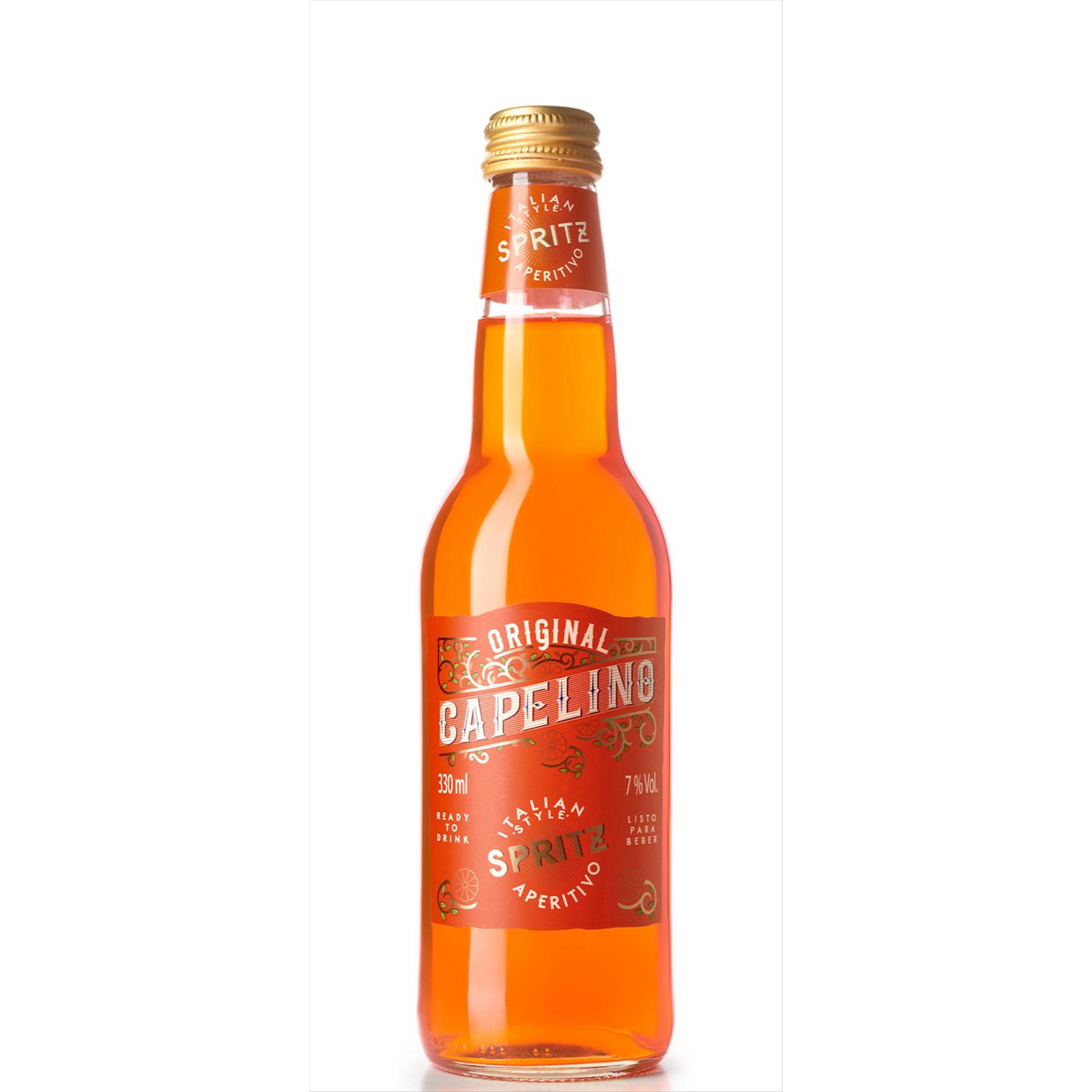
Products in our Spanish database containing this additive
Examples found in ComerClaro Spanish product database
Product names and supermarket data may appear in Spanish.

Classification:
Statistics
192
total views
Something wrong?
If you notice incorrect or incomplete information, help us improve the platform.