Polyvinyl alcohol PVA
Score impact
0.00
points/product
Description
E1203, known as polyvinyl alcohol (PVA), is a water-soluble synthetic polymer used in the food industry mainly as a coating agent and bulking agent. It is obtained by polymerization of vinyl acetate followed by partial or complete hydrolysis of the acetate group to alcohol. The result is a linear polymer with hydroxyl groups that confer water solubility and film-forming ability.
PVA is a white or slightly yellowish, odorless solid with a melting point around 200°C and a density of 1.19-1.31 g/cm³. Its main function in foods is to act as a protective coating for dietary supplements, tablets, and capsules, improving their resistance to moisture and extending their shelf life. It is also used as a bulking agent in low-calorie products and as a stabilizer in some beverages.
PVA was approved as a food additive in the European Union in 2012 (EU Regulation 231/2012) and has been evaluated by EFSA in 2005 and 2012, establishing that there is no need to set a numerical acceptable daily intake (ADI) due to its low toxicity and limited absorption. WHO has also evaluated it, concluding that it is safe at the proposed use levels.
Regarding food safety, PVA is not significantly absorbed in the gastrointestinal tract and is mostly excreted in feces. Chronic toxicity studies have not shown relevant adverse effects. On labeling, it must appear as 'polyvinyl alcohol' or 'E1203'. Although it is a synthetic additive, its safety profile is favorable, and no significant controversies have been reported. However, some consumers may prefer to avoid synthetic additives, although scientific evidence supports its safe use.
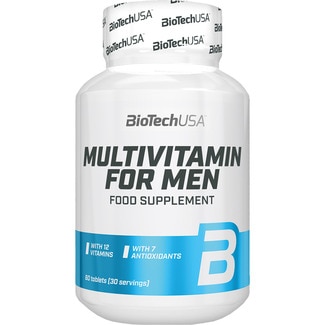
E1203 is mainly used in dietary supplements and food supplements as a coating for tablets and capsules, as well as in confectionery products and some processed foods.
In the Spanish market, it is found in multivitamins, mineral supplements, and fish oil capsules. It is also used in bakery products as a bulking agent to reduce calories. According to EC Regulation 1333/2008, PVA is authorized in the EU for food supplements in tablet and capsule form with a maximum use level of 10,000 mg/kg (1%). In the United States, the FDA classifies it as GRAS (Generally Recognized as Safe) for similar uses, with limits varying by application. In Japan, it is also permitted as a food additive. Comparatively, the EU has more restrictive limits than the US in some categories. It is not used in infant foods or fresh meat products.
Toxicological studies indicate that PVA has very low toxicity. EFSA, in its 2005 evaluation, concluded that there are no significant adverse effects in humans at current use levels. PVA is not absorbed in the gastrointestinal tract; more than 95% is excreted unchanged in feces. No side effects have been documented in the general population.
In animal studies, very high doses (above 5000 mg/kg body weight) caused mild effects such as diarrhea or changes in organ weight, but these levels are not relevant to human exposure. No specific sensitive populations have been identified, although people with severe digestive disorders may experience mild discomfort. No interactions with medications are known. WHO also supports its safety.
In conclusion, E1203 is considered safe for human consumption at authorized levels, with no documented side effects.
- PVA
- Polyvinyl alcohol
- PVOH
Products in our Spanish database containing this additive
Examples found in ComerClaro Spanish product database
Product names and supermarket data may appear in Spanish.

Classification:
Statistics
204
total views
Something wrong?
If you notice incorrect or incomplete information, help us improve the platform.