Polyvinyl alcohol-polyethylene glycol graft copolymer
Score impact
0.00
points/product
Description
E1209, called polyvinyl alcohol-polyethylene glycol graft copolymer, is a synthetic food additive belonging to the category of other additives. It is a graft copolymer formed by polyvinyl alcohol (PVA) chains onto which polyethylene glycol (PEG) chains are grafted. This compound does not occur naturally; it is obtained industrially through controlled polymerization reactions.
The typical process involves the polymerization of vinyl acetate to obtain poly(vinyl acetate), which is then partially hydrolyzed to form polyvinyl alcohol. Subsequently, polyethylene glycol chains are grafted via grafting reactions, usually using radical initiators or radiation grafting techniques. The final product is a water-soluble polymer with surfactant and film-forming properties. Its physicochemical properties include high water solubility, ability to reduce surface tension, and stability over a wide pH range.
The main function of E1209 in foods is to act as a coating agent, film former, and stabilizer. It is used to coat fruits and vegetables, improving their appearance and extending shelf life by reducing moisture loss and oxidation. It is also used in food supplements and confectionery products as a glazing agent.
Historically, E1209 was authorized in the European Union following evaluations by the European Food Safety Authority (EFSA). EFSA, in its 2019 opinion, concluded that the additive poses no health risks in the proposed uses, establishing that it is not necessary to set a numerical Acceptable Daily Intake (ADI), as the estimated exposure is well below levels that could cause adverse effects. The World Health Organization (WHO), through the Joint FAO/WHO Expert Committee on Food Additives (JECFA), also evaluated E1209 and reached similar conclusions, considering it safe under the specified conditions of use.
Regarding labeling, Regulation (EC) No 1333/2008 requires that E1209 be listed in the ingredient list with its name or E number. Globally, the safety assessment is favorable, considering it a safe additive for consumers when used within authorized limits.
E1209 is mainly used as a coating agent and film former in foods. According to Regulation (EC) No 1333/2008, it is authorized in the European Union for use in fresh fruits and vegetables (surface treatment), nuts, food supplements, and confectionery products (as glazing).
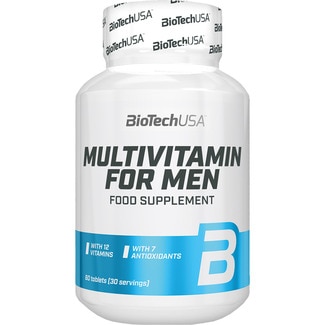
In the Spanish market, it can be found on coated apples and pears to improve shine and preservation, as well as in dietary supplements in tablet or capsule form where it acts as a coating agent. Authorized limits vary by food category; for example, in fresh fruits and vegetables it is allowed quantum satis (sufficient quantity to achieve the desired effect), while in food supplements the maximum limit is 1000 mg/kg. Compared to the US FDA, E1209 is not directly approved as a food additive, although some similar polymers are allowed as technological aids. Japan also authorizes the use of this additive in similar applications.
It is important to note that E1209 should not be used in unauthorized foods, and its use must comply with good manufacturing practices.
Toxicological studies conducted by EFSA and JECFA have not identified significant adverse effects associated with the consumption of E1209 in authorized amounts. Acute, subchronic, and chronic toxicity studies in animals showed no relevant effects at high doses. No genotoxicity or carcinogenicity has been observed.
The biological mechanism is based on the copolymer not being significantly absorbed in the gastrointestinal tract, being mostly excreted in feces. Sensitive populations, such as children or people with digestive disorders, present no additional risks according to available data. No interactions with medications have been reported. EFSA concluded that it is not necessary to establish a numerical ADI, as the estimated exposure is low and poses no health risk. WHO supports this conclusion.
In summary, E1209 is considered safe under authorized conditions of use, with no documented side effects in humans.
- Polyvinyl alcohol-polyethylene glycol graft copolymer
- PVA-PEG graft copolymer
- Polyvinyl alcohol and polyethylene glycol graft copolymer
Products in our Spanish database containing this additive
Examples found in ComerClaro Spanish product database
Product names and supermarket data may appear in Spanish.

Classification:
Statistics
214
total views
Something wrong?
If you notice incorrect or incomplete information, help us improve the platform.