Ponceau 4R
Score impact
-0.60
points/product
Description
E124, known as Ponceau 4R or Cochineal Red A, is a synthetic red food color belonging to the group of azo dyes. It is obtained industrially by diazotization of 4-amino-1-naphthalenesulfonic acid and subsequent coupling with 2-naphthol-6,8-disulfonic acid, followed by purification and drying.
It is a dark red powder, soluble in water and slightly soluble in ethanol. Its main function is to provide an intense red color to foods, being stable to light, heat, and acidic pH, but less stable under alkaline conditions.
It was approved as a food additive in the European Union after evaluations by the European Food Safety Authority (EFSA) and the Joint FAO/WHO Expert Committee on Food Additives (JECFA). EFSA established an Acceptable Daily Intake (ADI) of 0-4 mg/kg body weight in 2009, based on subchronic and chronic toxicity studies. WHO has also evaluated its safety, confirming the ADI. Regarding food safety, E124 is considered safe at authorized levels, although there are controversies about possible adverse effects in children. In the EU, its use is regulated by Regulation (EC) No 1333/2008, which sets maximum limits for different food categories.
Labeling must include the name or E number, and in some countries a warning about possible effects on activity and attention in children is required.
E124 is used in a wide variety of food products to provide red color. Main categories include: non-alcoholic beverages (soft drinks, juices), confectionery (candies, gummies, chewing gum), ice cream, dairy desserts (yogurts, flans), jams, canned vegetables, sauces, soups, and processed meat products (sausages, pâtés).
In the Spanish market, it is found in brands such as Fanta orange (although some versions use E110), Chupa Chups candies, Haribo gummies, and strawberry yogurts. Authorized limits vary by product: for example, up to 100 mg/L in non-alcoholic beverages, 200 mg/kg in confectionery, and 50 mg/kg in ice cream, according to EC Regulation 1333/2008. In the United States, the FDA does not allow E124 in foods, but it is allowed in drugs and cosmetics (as FD&C Red No. 4). In Japan, its use is restricted to certain products. Compared to other red dyes such as E120 (cochineal), E124 is cheaper and more stable, but less natural.
Documented side effects of E124 include allergic reactions in sensitive individuals, such as urticaria, angioedema, and asthma, although these are rare. Animal studies have shown that very high doses can cause kidney and liver damage, but at normal human intake levels no significant adverse effects have been observed.
The biological mechanism of possible effects is related to histamine release in susceptible individuals. Sensitive populations include children with attention deficit hyperactivity disorder (ADHD), as some studies suggest that azo dyes may exacerbate symptoms. EFSA concluded that there is insufficient evidence to establish a causal relationship, but recommends caution. Interactions with medications are not well documented.
WHO and EFSA consider E124 safe at the established ADI, although more research on long-term effects is needed. In the EU, foods containing E124 must carry the warning 'may have an adverse effect on activity and attention in children'.
- Ponceau 4R
- Cochineal Red A
- C.I. 16255
- FD&C Red No. 4 (in USA)
- New Coccine
- Coccine Red
- Ponceau 4R
- Food Red 7
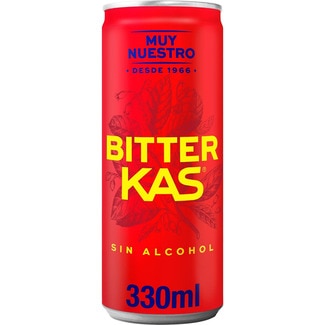
Products in our Spanish database containing this additive
Examples found in ComerClaro Spanish product database
Product names and supermarket data may appear in Spanish.


Classification:
Statistics
250
total views
Something wrong?
If you notice incorrect or incomplete information, help us improve the platform.