Brilliant Blue FCF
Score impact
-0.50
points/product
Description
E133, known as Brilliant Blue FCF, is a synthetic blue-green food color. It belongs to the group of azo dyes, although it does not contain azo groups in its chemical structure. It is obtained by chemical synthesis from petroleum derivatives, specifically by sulfonation of triphenylmethane. Industrially, it is produced by reacting benzaldehyde with N-ethyl-N-phenylbenzylamine, followed by sulfonation and oxidation.
The final product is a dark blue powder, soluble in water and slightly soluble in ethanol. It is stable to light, heat, and in a pH range of 3 to 9, although it may decolorize in the presence of reducing agents. Its main function is to impart a bright blue color to foods, often combined with other colors to obtain green or purple shades.
It was approved as a food additive in the European Union in 1994 and its use is regulated by Regulation (EC) 1333/2008. The European Food Safety Authority (EFSA) has evaluated its safety several times, most recently in 2010, establishing an Acceptable Daily Intake (ADI) of 6 mg/kg body weight. The World Health Organization (WHO) has also evaluated it, confirming the same ADI. In general, it is considered safe for the general population in authorized amounts. However, some studies have suggested possible adverse effects in children with hyperactivity, although the evidence is not conclusive.
On food labels, it must appear as "color" or with its specific name "Brilliant Blue FCF" or its number E133. It is important to note that this food additive is subject to rigorous food safety controls by European authorities.
E133 is mainly used in the food industry to artificially color products. According to Regulation (EC) 1333/2008, it is authorized in a wide variety of food categories, such as non-alcoholic beverages (up to 100 mg/l), ice cream (up to 150 mg/kg), confectionery products (up to 300 mg/kg), desserts (up to 150 mg/kg), sauces and condiments (up to 500 mg/kg), and snack products (up to 200 mg/kg).
In the Spanish market, it is commonly found in colored soft drinks, candies, gummy candies, jellies, artificially flavored ice creams, and some industrial bakery products. It is also used in cosmetics and medicines, although its use in food is the most relevant. Compared to the US FDA, Brilliant Blue FCF is approved with similar limits, although in the EU the precautionary principle is applied and it is periodically reviewed. In Japan, its use is permitted but with additional restrictions in certain products.
It is important to note that E133 is not authorized in unprocessed foods such as fresh meat, fruits or vegetables, nor in foods for infants and young children.
Documented side effects of E133 are limited. EFSA and WHO have concluded that, at authorized doses, it does not pose a significant health risk. However, some studies have suggested that consumption of artificial colors, including E133, may be associated with increased hyperactivity in susceptible children. A classic study by McCann et al. (2007) found a possible relationship between a mixture of colors (including E133) and hyperactive behavior in children aged 3 and 8-9 years. However, EFSA considered that the evidence was not sufficient to establish a direct causal relationship.
The proposed biological mechanism involves a possible release of histamine or interference with neurotransmitters, but it is not confirmed. Sensitive populations include children diagnosed with attention deficit hyperactivity disorder (ADHD), although most studies show no effects in the general population. No interactions with medications have been documented.
In conclusion, EFSA and WHO maintain the ADI of 6 mg/kg/day, considering that the estimated intake in the general population is below this limit. However, the European Union requires that foods containing E133 carry an additional warning: "may have an adverse effect on activity and attention in children."
- Brilliant Blue FCF
- FD&C Blue No. 1
- CI 42090
- Blue 1
- Acid Blue 9
- Brilliant Blue FCF
- Synthetic blue color
- Brilliant blue ammonium salt
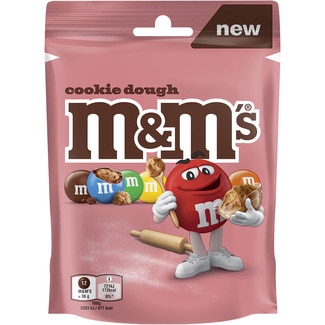
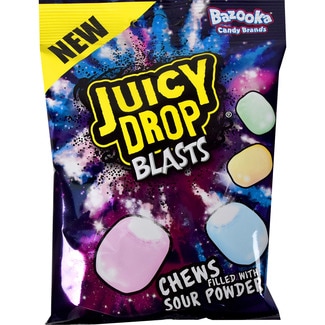
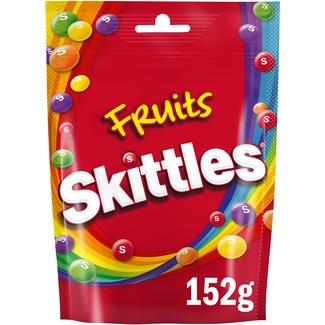
Products in our Spanish database containing this additive
Examples found in ComerClaro Spanish product database
Product names and supermarket data may appear in Spanish.
Classification:
Statistics
441
total views
Something wrong?
If you notice incorrect or incomplete information, help us improve the platform.