Oxidized starch
Score impact
0.00
points/product
Description
E1404, known as oxidized starch, is a chemically modified food additive used primarily as a thickener, stabilizer, and texturizing agent in a wide variety of processed products. It belongs to the category of modified starches, which are widely used in the food industry for their improved functional properties compared to native starch.
Oxidized starch is obtained by treating natural starch (usually from corn, potato, wheat, or tapioca) with oxidizing agents such as sodium hypochlorite under controlled pH and temperature conditions. This process introduces carboxyl and carbonyl groups into the starch molecules, reducing the tendency to retrogradation and improving paste clarity, freeze-thaw stability, and shear resistance. From a physicochemical standpoint, oxidized starch forms more transparent and fluid gels than unmodified starch, with lower viscosity at high temperatures but greater stability in acidic media. Its main function is to thicken and stabilize foods, providing the desired texture without significantly altering flavor.
The history of its use dates back to the mid-20th century, and it was approved in the European Union as a safe additive after evaluations by the European Food Safety Authority (EFSA) and the Joint FAO/WHO Expert Committee on Food Additives (JECFA). EFSA has established an Acceptable Daily Intake (ADI) of "not specified," meaning it is not considered a health risk at normal consumption levels. This assessment is based on numerous toxicological studies that have shown no significant adverse effects. Regarding labeling, E1404 must appear in the ingredient list of products containing it, either by name or by its E number.
Food safety of oxidized starch is supported by decades of use without reported incidents, and its toxicological profile is considered very low. However, as with any additive, consumers with specific allergies or intolerances should verify the starch source (e.g., if from wheat, it may contain gluten). In summary, E1404 is a safe and effective food additive widely used in the industry to improve food texture and stability.
Oxidized starch (E1404) is used in numerous food categories according to Regulation EC 1333/2008. It is used in sauces, soups, creams, dairy desserts, ice cream, bakery and pastry products, fillings, infant foods, and processed meat products.
In the Spanish market, it is commonly found in brands of instant soups, custards, flans, yogurts, and prepared sauces. Authorized limits vary by category; for example, in sauces it may be used quantum satis (sufficient quantity), while in cereal-based infant foods the limit is 50 g/kg. Comparatively, the FDA classifies it as Generally Recognized as Safe (GRAS) and allows its use without specific restrictions, similar to the EU. In Japan, it is also approved with similar limits.
The versatility of E1404 makes it ideal for products requiring freeze stability, acid resistance, or a smooth texture.
Toxicological studies conducted by EFSA and JECFA have not documented significant adverse effects associated with the consumption of oxidized starch at usual levels. Acute, subchronic, and chronic toxicity tests, as well as genotoxicity and reproduction studies, have been performed without evidence of carcinogenicity, teratogenicity, or reproductive toxicity. The biological mechanism of its metabolism is similar to that of native starch: it is hydrolyzed in the gastrointestinal tract to glucose and other oligosaccharides, absorbed, and used as an energy source.
No specific sensitive populations have been identified, although individuals with celiac disease should verify that the starch does not come from wheat (it may contain traces of gluten). No interactions with medications are known. EFSA concludes that there is no need to establish a numerical ADI, as estimated exposure does not pose a health risk.
In summary, E1404 is considered safe for the general population under authorized conditions of use.
- Oxidized starch
- Modified starch
- Oxidized corn starch
- Oxidized farina
- Oxidized starch
- Bleached starch
- Carboxystarch
- Treated starch
- Oxidized starch solution
- Low-viscosity starch
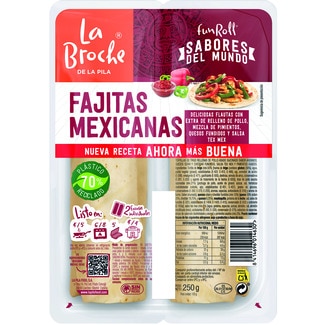
Products in our Spanish database containing this additive
Examples found in ComerClaro Spanish product database
Product names and supermarket data may appear in Spanish.


Classification:
Statistics
240
total views
Something wrong?
If you notice incorrect or incomplete information, help us improve the platform.