Acetylated distarch phosphate
Score impact
0.00
points/product
Description
The food additive E1414, known as acetylated distarch phosphate, is a modified starch used mainly as a thickener, stabilizer, and texturizing agent in the food industry.
It belongs to the group of chemically modified starches, which are obtained from natural starches (corn, potato, wheat, tapioca, etc.) through a double modification process: cross-linking with sodium trimetaphosphate or phosphorus oxychloride and esterification with acetic anhydride. This process gives the starch greater resistance to acidic conditions, high temperatures, and mechanical stress, as well as improved stability during freezing and thawing.
Industrially, native starch is suspended in water, the pH is adjusted, and chemical reagents are added under controlled temperature and time conditions. After the reaction, the product is washed, dried, and ground to a fine powder. E1414 is a white or slightly yellowish powder, tasteless and odorless, which forms viscous, transparent gels when in contact with water.
Its main function is to provide body and consistency to processed foods, preventing phase separation and improving mouthfeel. The history of its use dates back to the mid-20th century, when the food industry sought more stable alternatives to native starches.
In the European Union, it was authorized as a food additive after evaluations by EFSA (European Food Safety Authority) and the Scientific Committee for Food. EFSA has established an Acceptable Daily Intake (ADI) of "not specified" for E1414, meaning it is not considered a health risk at the levels used in foods. WHO has also evaluated it and supports its safety. Regarding labeling, it must appear in the ingredient list as "acetylated distarch phosphate" or with its E number.
In summary, E1414 is a safe and widely used food additive, supported by decades of toxicological studies.
E1414 is used in a wide variety of food categories, especially in products that require stability under adverse conditions. According to EC Regulation 1333/2008, it is authorized in numerous foods, such as sauces, soups, creams, dairy desserts, ice cream, bakery and pastry products, fillings, coatings, infant foods, and processed meat products.
In the Spanish market, it is found in brands such as tomato sauces (Hida, Orlando), custards and flans (Danone, Nestlé), ice creams (Frías, La Sirena), and sliced bread (Bimbo). Usage limits vary by category; for example, in sauces it may be used quantum satis (no maximum limit), while in processed cereal-based infant foods the limit is 50 g/kg.
Compared to the FDA, which also approves it as GRAS (Generally Recognized as Safe) without specific limits, the EU is more restrictive in certain categories. Japan also permits it, with similar specifications. Its versatility makes it an ideal thickener for products requiring freezing or long shelf life.
Toxicological studies conducted by EFSA and WHO have not documented significant adverse effects associated with the consumption of E1414 in usual amounts. The ADI "not specified" indicates that no toxic effects have been observed in animal studies even at very high doses.
The biological mechanism is simple: as a modified starch, it is partially digested in the small intestine and the remainder ferments in the colon, producing short-chain fatty acids, with no harmful effects. No specific sensitive populations have been identified, although people with celiac disease should verify that the source starch does not contain gluten (E1414 may be derived from wheat, but the modification process removes allergenic proteins). No interactions with medications are known.
In conclusion, EFSA and WHO consider E1414 safe for the general population, with no consumption restrictions beyond good manufacturing practices.
- Acetylated distarch phosphate
- Distarch phosphate acetylated
- Acetylated phosphate distarch
- Acetylated distarch phosphate
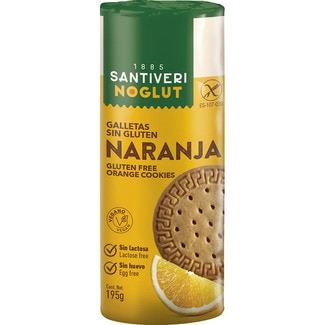
Products in our Spanish database containing this additive
Examples found in ComerClaro Spanish product database
Product names and supermarket data may appear in Spanish.


Classification:
Statistics
220
total views
Something wrong?
If you notice incorrect or incomplete information, help us improve the platform.