Acetylated starch
Score impact
0.00
points/product
Description
E1420, known as acetylated starch, is a food additive belonging to the category of thickeners, stabilizers and emulsifiers. It is a chemically modified starch obtained by introducing acetyl groups into starch molecules, which alters its physicochemical properties to improve performance in food applications. The starting starch can come from various sources such as corn, potato, wheat or tapioca, with corn and potato being the most common in Europe.
Industrially, starch is treated with acetic anhydride or vinyl acetate in the presence of an alkaline catalyst (such as sodium hydroxide), followed by washing, drying and grinding. The degree of acetylation is usually low (less than 2.5% acetyl groups) to meet safety specifications. The physicochemical properties of acetylated starch include increased stability against retrogradation (hardening upon cooling), better resistance to acids and heat, and a smoother, more stable texture in processed products.
Its main function is to thicken, gel, stabilize and improve the texture of foods, preventing phase separation and providing a pleasant mouthfeel.
The history of its use dates back to the mid-20th century, when modified starches were developed to overcome the limitations of native starches. In the European Union, E1420 was authorized as a food additive after evaluations by the Scientific Committee for Food (SCF) and subsequently by the European Food Safety Authority (EFSA).
EFSA has re-evaluated its safety several times, most recently in 2017, concluding that there are no safety concerns at current usage levels. The World Health Organization (WHO) and the Joint FAO/WHO Expert Committee on Food Additives (JECFA) have also evaluated acetylated starch, assigning it an Acceptable Daily Intake (ADI) "not specified", meaning it is not considered a health risk at the amounts used in foods.
The overall safety assessment is very favorable, considering it a safe additive for the general population. In EU food labeling, it must appear as "acetylated starch" or with its E number "E1420". No significant adverse effects have been reported in animal or human studies, and its metabolism is similar to that of natural starch, being digested and absorbed without issues.
In conclusion, E1420 is a widely used food additive considered safe by major food safety agencies.
E1420 is used in a wide variety of food categories as a thickener, stabilizer and emulsifier. According to Regulation (EC) 1333/2008, it is authorized in numerous products, including sauces, soups, dairy desserts, ice cream, bakery and pastry products, processed meat products, infant foods (with specific limits), and beverages.
In the Spanish market, it is commonly found in sauces such as béchamel or tomato sauce, custards, flans, yogurts, ice cream, sliced bread, industrial pastries, sausages such as hot dogs or mortadella, and in soup and cream preparations. Usage limits vary by category; for example, in sauces it may be used quantum satis (sufficient quantity), while in processed cereal-based infant foods the limit is 50 g/kg. Compared to the US FDA, acetylated starch is also approved as a food additive (GRAS) with similar specifications.
In Japan, its use is permitted under certain conditions. The versatility of E1420 makes it a key ingredient for the food industry, allowing stable and attractive textures in processed products.
Toxicological studies conducted by EFSA and JECFA have not identified significant adverse effects associated with the consumption of acetylated starch at the levels used in foods. In animal studies, no toxic, carcinogenic or teratogenic effects were observed even at high doses. The biological mechanism is simple: acetylated starch is digested and absorbed similarly to native starch, as digestive enzymes (amylases) hydrolyze the glycosidic bonds, releasing glucose and small amounts of acetate, which is a natural metabolite in the body.
No specific allergic reactions to E1420 have been documented, although people with corn or potato allergies could react if the starch comes from those sources, but this is extremely rare given the high degree of processing. No interactions with medications are known. Sensitive populations such as children, pregnant women or the elderly have no additional risks.
EFSA concluded that there is no need to establish a numerical ADI, as estimated exposure is well below any level of concern. In summary, E1420 is considered safe and produces no side effects under normal conditions of use.
- Acetylated starch
- Starch acetate
- Acetylated modified starch
- Starch acetate
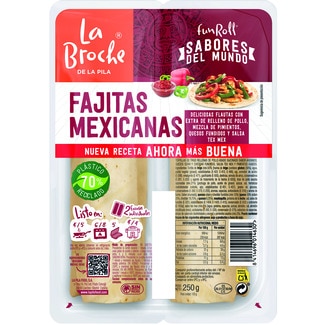
Products in our Spanish database containing this additive
Examples found in ComerClaro Spanish product database
Product names and supermarket data may appear in Spanish.


Classification:
Statistics
339
total views
Something wrong?
If you notice incorrect or incomplete information, help us improve the platform.