Plain caramel
Score impact
0.00
points/product
Description
The food additive E150A, known as plain caramel, is a natural color widely used in the food industry. It is obtained by controlled heating of carbohydrates (such as glucose, sucrose, or corn syrup) in the presence of acids, bases, or salts, without the addition of ammonium compounds. This process, called caramelization, produces dark brown compounds with a characteristic flavor.
E150A is the most basic type of caramel, without the ammonium compounds used in other types (E150B, E150C, E150D). Its physicochemical properties include high solubility in water, stability at pH between 2 and 8, and resistance to light and heat. Its main function is to provide brown color to foods and beverages, in addition to contributing to flavor.
Historically, caramel has been used since the 19th century, and it was approved in the European Union as a safe additive. EFSA (European Food Safety Authority) and WHO (World Health Organization) have evaluated E150A on multiple occasions. EFSA established an Acceptable Daily Intake (ADI) of 'not specified', meaning there is no numerical limit because it is considered safe at the amounts normally consumed. WHO, through the Joint FAO/WHO Expert Committee on Food Additives (JECFA), also classifies it as safe without a numerical ADI.
The overall safety assessment is very favorable: no significant risks to human health have been identified at authorized use levels. On labeling, it must appear as 'color: plain caramel' or 'E150A'.
It is important to note that E150A does not contain 4-methylimidazole (4-MEI) or other contaminants associated with other types of caramel, which reinforces its safety profile.
E150A is used in a wide variety of foods and beverages to provide brown color. According to Regulation EC 1333/2008, it is authorized in numerous categories, such as alcoholic beverages (beer, cider, liqueurs), non-alcoholic beverages (cola soft drinks, malt beverages), confectionery (candies, chocolates), sauces (soy sauce, barbecue sauce), baked goods (cookies, cakes), desserts (ice cream, custards), and vinegars.
In the Spanish market, it is found in brands such as Coca-Cola (although they use E150D for color), beers like Mahou or Estrella Damm, sauces like Heinz, and confectionery products like Chupa Chups candies. Authorized limits vary by category: for example, in non-alcoholic beverages the limit is 200 mg/L, in beers 100 mg/L, and in sauces 500 mg/kg. Compared to the US FDA, plain caramel is classified as GRAS (Generally Recognized as Safe) without specific limits, similar to the EU. Japan also allows it without significant restrictions.
The versatility of E150A makes it an essential color for the food industry.
Documented side effects of E150A are minimal. EFSA and JECFA have concluded that there is no evidence of toxicity, carcinogenicity, or genotoxicity at authorized use levels. Unlike other caramels (E150C and E150D), E150A does not contain 4-methylimidazole (4-MEI), a compound that at high doses has shown carcinogenic effects in animals. Therefore, no significant adverse effects in humans have been identified.
The biological mechanism of its metabolism is simple: caramel compounds are digested and absorbed as carbohydrates, without accumulation. Sensitive populations, such as people with allergies or intolerances, do not present specific reactions to E150A, although individual sensitivity is always possible. No interactions with medications are known.
The conclusion of EFSA and WHO is that E150A is safe for human consumption, without the need to establish a numerical ADI. Chronic toxicity studies in animals showed no adverse effects even at high doses.
Therefore, it is considered one of the safest colors available.
- Natural caramel
- Sugar caramel
- Plain caramel color
- Caramel colour (plain)
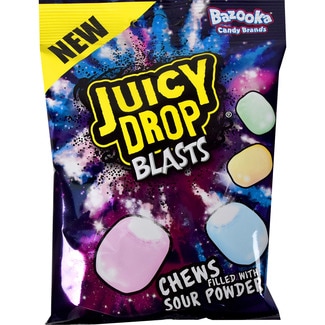
Products in our Spanish database containing this additive
Examples found in ComerClaro Spanish product database
Product names and supermarket data may appear in Spanish.


Classification:
Statistics
227
total views
Something wrong?
If you notice incorrect or incomplete information, help us improve the platform.