Propylene glycol
Score impact
-0.10
points/product
Description
E1520, also known as propylene glycol or propane-1,2-diol, is a food additive classified as a humectant. It is a viscous, colorless, almost odorless liquid with a slightly sweet taste. Industrially, it is obtained by hydration of propylene oxide, a process that produces a mixture of isomers, mainly 1,2-propanediol.
Its physicochemical properties include a boiling point of 188 °C, miscibility with water and many organic solvents, and low acute toxicity. Its main function in foods is to retain moisture, preventing products from drying out, and it also acts as a solvent for flavors and colors.
Propylene glycol was approved as a food additive in the European Union after evaluations by EFSA (European Food Safety Authority) and WHO (World Health Organization). EFSA established an Acceptable Daily Intake (ADI) of 25 mg/kg body weight per day in 2018, based on chronic toxicity and reproduction studies. WHO, through the Joint FAO/WHO Expert Committee on Food Additives (JECFA), also set the same ADI.
Regarding food safety, propylene glycol is considered safe at authorized use levels. It has not been classified as carcinogenic, mutagenic, or toxic to reproduction. However, very high doses can cause lactic acidosis, especially in newborns or people with liver or kidney failure. In EU labeling, it must appear as 'propylene glycol' or 'E1520' in the ingredient list.
It is important to note that propylene glycol is also used in cosmetics, medicines, and industrial products, but its food use is strictly regulated.
E1520 is used in a wide variety of food categories as a humectant, solvent, and stabilizer. According to EC Regulation 1333/2008, it is authorized in fine bakery products (cakes, cookies), ice cream, dairy desserts, flavored drinks, sauces, soups, processed meat products, and milk substitutes.
In the Spanish market, it is commonly found in filled cookies, industrial pastries, high-quality ice creams, energy drinks and flavored soft drinks, as well as salad dressings and instant soups. Maximum limits vary by category: for example, in flavored drinks the limit is 1 g/L, in ice cream 5 g/kg, and in fine bakery products 3 g/kg.
Compared to the US FDA, propylene glycol is classified as Generally Recognized as Safe (GRAS) and is allowed in similar amounts, although in some products like ice cream the limit is higher (up to 5% in the US). In Japan, use is permitted but with stricter restrictions in certain foods such as tofu. The EU maintains a conservative approach, periodically reviewing limits based on EFSA evaluations.
Documented adverse effects of propylene glycol are rare and generally associated with very high intakes, far above the ADI. Animal studies have shown that high doses can cause central nervous system depression, metabolic acidosis, and kidney damage. In humans, acute propylene glycol poisoning has been observed mainly in hospitalized patients receiving high intravenous doses of medications containing it as a solvent, or in premature newborns. Symptoms include bradycardia, hypotension, seizures, and lactic acidosis.
The biological mechanism involves its hepatic metabolism to lactic acid, which can accumulate if metabolic capacity is exceeded. Sensitive populations include infants (especially premature), people with liver or kidney failure, and those with epilepsy or metabolic disorders. No significant interactions with medications at dietary levels have been reported. EFSA and WHO conclude that propylene glycol is safe at the amounts used in foods, and that the ADI of 25 mg/kg/day provides a wide safety margin. There is no evidence of carcinogenicity, mutagenicity, or reproductive toxicity at doses relevant to human consumption.
Therefore, for the general population, consumption of foods containing E1520 does not pose a health risk.
- Propane-1,2-diol
- 2-propanediol
- methyl glycol
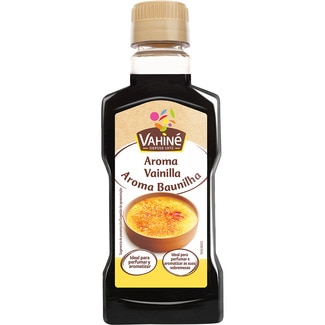
Products in our Spanish database containing this additive
Examples found in ComerClaro Spanish product database
Product names and supermarket data may appear in Spanish.

Classification:
Statistics
293
total views
Something wrong?
If you notice incorrect or incomplete information, help us improve the platform.