Carotenes
Score impact
+0.50
points/product
Description
The food additive E160A, known as carotenes, is a natural colorant belonging to the group of carotenoids, fat-soluble pigments responsible for yellow, orange, and red colors in many fruits and vegetables. Carotenes occur naturally in carrots, pumpkins, tomatoes, spinach, and algae, among others. Industrially, they are mainly obtained by extraction from carrots (Daucus carota) or by fungal fermentation from the fungus Blakeslea trispora. They are also produced synthetically, although the natural version is more in demand.
Chemically, carotenes are tetraterpenoid hydrocarbons with formula C40H56, the main ones being β-carotene (pro-vitamin A), α-carotene, and γ-carotene. They are insoluble in water but soluble in fats and organic solvents. Their main function is to provide yellow-orange color to foods, in addition to acting as an antioxidant and source of vitamin A (β-carotene is converted to retinol in the body).
Historically, carotenes have been used as a colorant since ancient times, but their approval as an additive in the European Union was formalized with Directive 94/36/EC, currently regulated by Regulation (EC) 1333/2008. The European Food Safety Authority (EFSA) has evaluated carotenes on several occasions, establishing an Acceptable Daily Intake (ADI) of 5 mg/kg body weight for β-carotene (expressed as retinol equivalent).
The World Health Organization (WHO) also considers it safe in usual amounts. Regarding food safety, carotenes are generally recognized as safe (GRAS) by the US FDA. No significant adverse effects in humans have been associated at permitted doses, although very high doses (supplements) can cause carotenodermia (reversible yellowish skin discoloration).
On labeling, it must appear as "colorant: carotenes" or "E160A". In summary, E160A is a safe, natural additive with additional nutritional benefits.
E160A is mainly used as a colorant in a wide variety of processed foods. According to Regulation (EC) 1333/2008, it is authorized in numerous categories, such as dairy products (butter, margarine, processed cheeses), beverages (soft drinks, juices, alcoholic drinks), confectionery (cakes, cookies, ice cream), sauces, soups, snacks, breakfast cereals, and meat products (sausages, frankfurters).
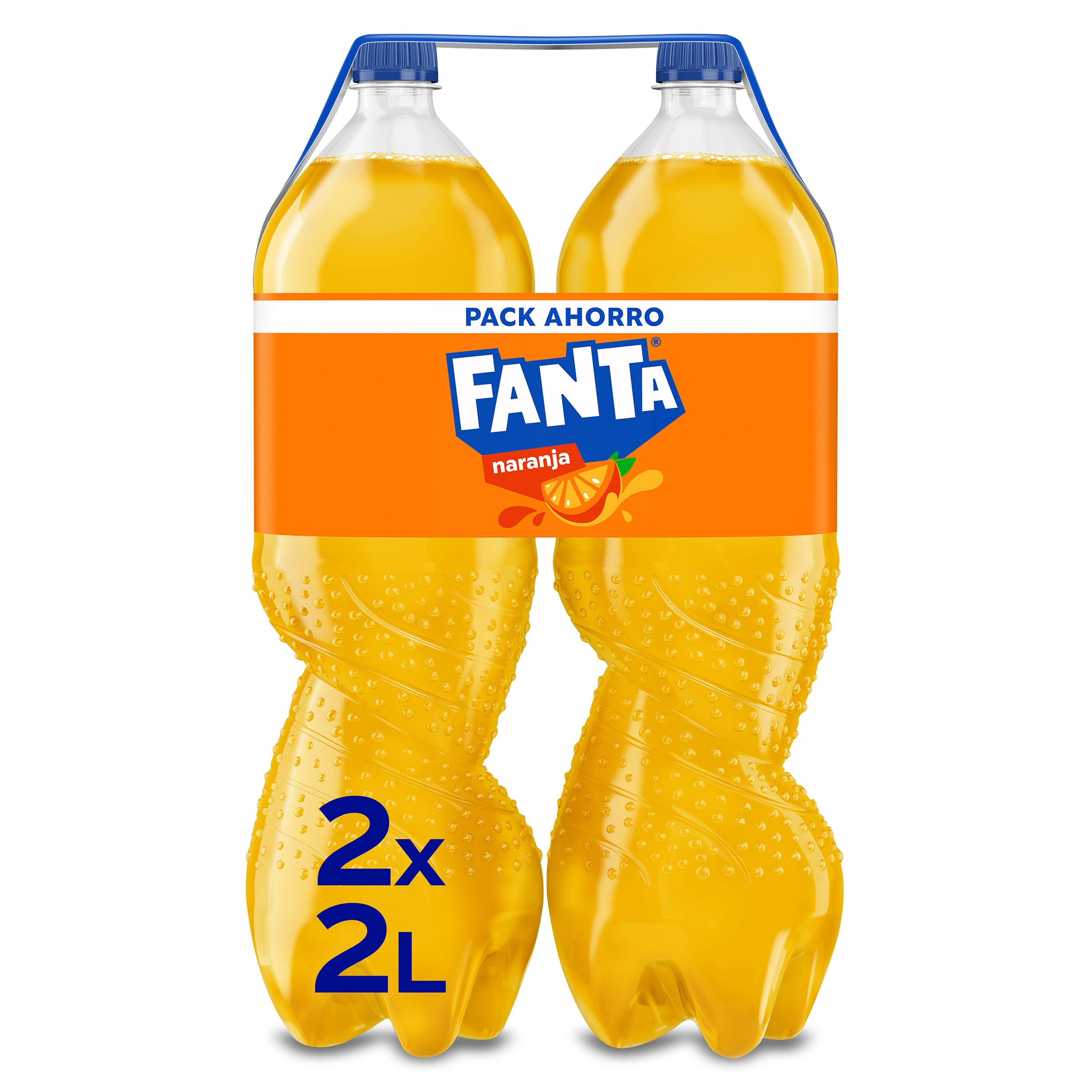
In the Spanish market, it is commonly found in margarine brands such as Flora or Tulipán, in orange soft drinks like Fanta, in vanilla or fruit ice creams, and in spreadable cheeses. Authorized limits vary by product: for example, in margarine up to 25 mg/kg, in non-alcoholic beverages up to 100 mg/l, and in confectionery products up to 300 mg/kg. Compared to the FDA, which also allows it without specific limit in most foods (GRAS), the EU is more restrictive in certain categories. Japan allows it as a natural additive without quantitative restrictions.
E160A is especially valued for its natural origin and its ability to provide stable color in fatty foods.
Carotenes (E160A) are considered safe by EFSA and WHO at authorized doses. No significant adverse effects in humans have been documented from consumption of foods containing this additive. β-carotene is a precursor of vitamin A, and excessive intake (mainly through supplements) can cause carotenodermia, a yellowish skin discoloration that is benign and reversible upon reducing intake. No genotoxic, carcinogenic, or teratogenic effects have been reported in animal studies at relevant doses.
EFSA established an ADI of 5 mg/kg bw/day for β-carotene, based on chronic toxicity studies. Sensitive populations, such as smokers, should be cautious with high-dose β-carotene supplements, as some epidemiological studies suggest a possible increased risk of lung cancer in smokers consuming high doses of supplements (not from foods). No relevant drug interactions are known with dietary intake of carotenes.
In conclusion, E160A is one of the safest colorants, with a favorable toxicological profile and additional nutritional benefits.
- Beta-carotene
- Betacarotene
- Provitamin A
- Natural carotene
- Carotene mixture
- CI 75130
- Algal carotenes
- Vegetable carotenes
- Beta-carotene
Products in our Spanish database containing this additive
Examples found in ComerClaro Spanish product database
Product names and supermarket data may appear in Spanish.


Classification:
Statistics
272
total views
Something wrong?
If you notice incorrect or incomplete information, help us improve the platform.