Potassium sorbate
Score impact
-0.20
points/product
Description
Potassium sorbate (E202) is a food additive belonging to the preservative category. It is the potassium salt of sorbic acid, a natural organic compound found in some berries of the rowan tree (Sorbus aucuparia). Industrially, it is produced by chemical synthesis from sorbic acid, which is obtained by condensation of crotonaldehyde and ketene.
Potassium sorbate appears as a white crystalline powder or granules, odorless or with a slight characteristic odor, and is highly soluble in water (approximately 58 g/100 mL at 20 °C). Its main function is to inhibit the growth of molds, yeasts, and some bacteria, especially in foods with acidic pH (pH < 6.5), where it is most effective. It acts by interfering with microbial metabolism, inhibiting key enzymes such as fumaric acid dehydrogenase.
It was discovered in the 1850s, but its use as a food preservative became popular in the mid-20th century. In the European Union, it was authorized as a food additive after evaluations by the European Food Safety Authority (EFSA) and the Joint FAO/WHO Expert Committee on Food Additives (JECFA). EFSA has established an Acceptable Daily Intake (ADI) of 25 mg/kg body weight per day for potassium sorbate and sorbic acid (expressed as sorbic acid). This ADI is considered safe for the general population, including children and adults.
The overall safety assessment is very favorable: potassium sorbate is one of the safest and best-tolerated preservatives, with a low toxicological profile. In food labeling, it must appear as "potassium sorbate" or "E202". It is important to note that although it is safe, some people may experience mild allergic reactions, although these are extremely rare.
In summary, potassium sorbate is an effective and safe food additive, widely used in the food industry to extend the shelf life of products.
Potassium sorbate (E202) is used in a wide variety of foods to prevent spoilage by microorganisms. According to EC Regulation 1333/2008, it is authorized in numerous categories, such as dairy products (cheeses, yogurts), bakery and pastry products, beverages (fruit juices, soft drinks, wines), sauces and dressings, margarines, processed fruits and vegetables, meat and fishery products, and confectionery.
In the Spanish market, it is commonly found in cured and semi-cured cheeses, sliced bread, industrial pastries, mayonnaise, ketchup, mustard, wines (as a stabilizer), cider, packaged juices, table olives, and pastry products. Maximum limits vary by product: for example, in ripened cheeses up to 1000 mg/kg, in sliced bread up to 2000 mg/kg, in wines up to 200 mg/L, and in margarines up to 1000 mg/kg. Compared to the US FDA, potassium sorbate is considered GRAS (Generally Recognized As Safe) and is permitted at similar levels, although with some differences in specific categories. In Japan, it is also approved with comparable limits.
The versatility and efficacy of potassium sorbate make it a preservative of choice in the food industry.
Potassium sorbate (E202) is considered safe by major food safety agencies. Documented adverse effects are scarce and generally mild. In animal studies, very high doses (far above the ADI) have shown gastric irritation and effects on growth, but no significant carcinogenic, mutagenic, or teratogenic effects have been observed. In humans, adverse reactions are rare; some people may experience allergic reactions such as urticaria or contact dermatitis, although the incidence is extremely low (less than 1 case per million consumers).
No relevant drug interactions have been documented. EFSA and WHO conclude that potassium sorbate poses no health risks at authorized use levels. The ADI of 25 mg/kg/day provides a wide safety margin, as the estimated dietary intake is generally below 10 mg/kg/day. Sensitive populations, such as individuals with known allergies to sorbate, should avoid it, but these are very rare cases.
In summary, potassium sorbate is one of the safest preservatives available.
- Potassium salt of sorbic acid
- Potassium sorbate
- Sorbic acid potassium salt
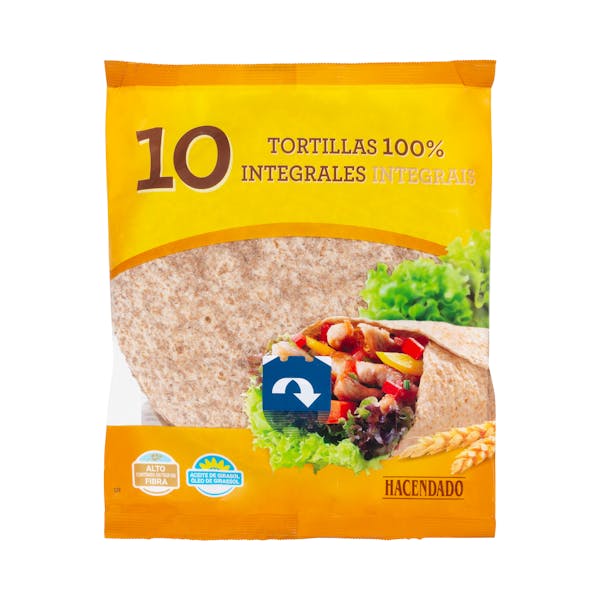
Products in our Spanish database containing this additive
Examples found in ComerClaro Spanish product database
Product names and supermarket data may appear in Spanish.


Classification:
Statistics
334
total views
Something wrong?
If you notice incorrect or incomplete information, help us improve the platform.