Sodium benzoate
Score impact
-0.60
points/product
Description
Sodium benzoate (E211) is a food additive in the preservative category, widely used to inhibit the growth of microorganisms such as bacteria, yeasts, and molds in acidic foods. It appears as a white crystalline powder, odorless or with a slight benzoin odor, and is highly soluble in water. Industrially, it is obtained by the neutralization reaction of benzoic acid with sodium hydroxide or sodium carbonate, followed by crystallization and drying.
Benzoic acid is produced by partial oxidation of toluene, a petroleum derivative, or is also found naturally in some fruits such as blueberries, plums, and cinnamon. Its main function is to extend the shelf life of foods by preventing microbial spoilage, especially in products with a pH below 4.5, where its active form (benzoic acid) penetrates microbial cells and disrupts their metabolism.
Sodium benzoate was one of the first chemical preservatives approved for food use, with a long history of use since the early 20th century. In the European Union, its use is regulated by Regulation (EC) No 1333/2008, and it has been evaluated by the European Food Safety Authority (EFSA) on several occasions, most recently in 2016, establishing an Acceptable Daily Intake (ADI) of 5 mg/kg body weight.
The World Health Organization (WHO) and the Joint FAO/WHO Expert Committee on Food Additives (JECFA) have also evaluated its safety, confirming the same ADI. Regarding food safety, sodium benzoate is considered safe at authorized concentrations, although there are controversies about its potential conversion to benzene (a carcinogen) in the presence of ascorbic acid (vitamin C) and under heat and light conditions. However, the levels of benzene formed are generally very low and within the safety limits established by regulatory agencies.
Labeling must include the name or E number (E211) in the ingredient list. In summary, sodium benzoate is an effective and safe preservative when used according to regulations, although it is recommended to avoid its combination with vitamin C in products stored for long periods.
Sodium benzoate is mainly used in foods and beverages with acidic pH (below 4.5), where its antimicrobial activity is highest. Authorized food categories in the EU include: non-alcoholic beverages (soft drinks, juices, nectars), alcoholic beverages (cider, wine, beer), sauces and dressings (ketchup, mustard, mayonnaise), pickles (olives, gherkins), jams, jellies, marmalades, bakery products (sliced bread, pastries), margarines, and marinated fishery products.
Specific examples from the Spanish market: cola soft drinks, isotonic beverages, packaged juices, stuffed olives, pickled gherkins, and sauces such as barbecue sauce. Maximum authorized limits vary by product, from 150 mg/kg in non-alcoholic beverages to 1000 mg/kg in pickles and sauces (Regulation EC 1333/2008). In the United States, the FDA considers it GRAS (Generally Recognized as Safe) with similar limits, while Japan also allows it with comparable restrictions.
However, in some countries such as Canada, it is recommended to avoid its use in products containing vitamin C to minimize benzene formation.
Documented adverse effects of sodium benzoate are limited and generally associated with very high consumption or in sensitive individuals. In animal studies, high doses (above 500 mg/kg/day) have shown effects on the central nervous system and growth alterations, but these levels are far above the ADI. In humans, some studies have suggested a possible link between sodium benzoate consumption and hyperactivity in children, although the evidence is inconclusive and EFSA considers there is insufficient basis to establish a causal relationship.
The biological mechanism of sodium benzoate involves its conversion to benzoic acid in the stomach, which is then conjugated with glycine in the liver to form hippuric acid, excreted in urine. In individuals with compromised liver function, elimination may be slower, but no significant problems have been reported in the general population. Sensitive populations include individuals with allergy to benzoic acid or asthma, although allergic reactions are rare. Drug interactions: it may interfere with the excretion of some drugs such as valproic acid, but this is not considered clinically relevant at dietary doses.
EFSA and WHO conclude that sodium benzoate is safe at authorized use levels, and that possible adverse effects only occur with intakes far exceeding the ADI. The main controversy centers on the formation of benzene, a known carcinogen, when sodium benzoate reacts with ascorbic acid under heat and light conditions. However, regulatory agencies have established maximum limits for benzene in beverages (10 ppb in the EU) and recommend good manufacturing practices to minimize its formation.
- Sodium benzoate
- sodium benzoate
- benzoate of soda
- INS 211
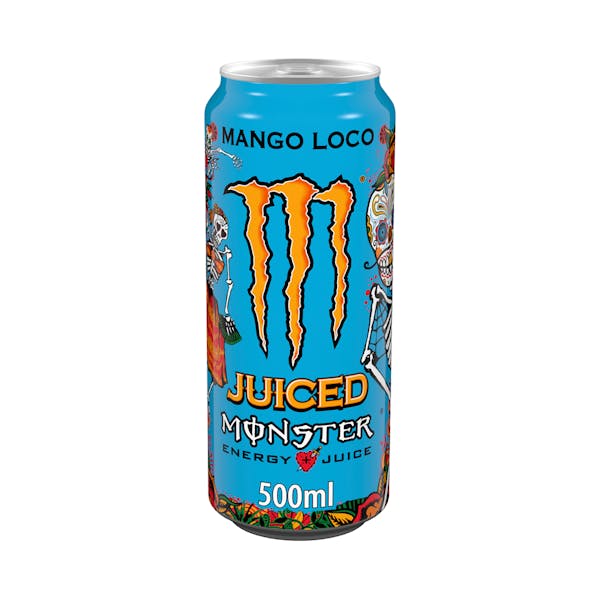
Products in our Spanish database containing this additive
Examples found in ComerClaro Spanish product database
Product names and supermarket data may appear in Spanish.


Classification:
Statistics
338
total views
Something wrong?
If you notice incorrect or incomplete information, help us improve the platform.