Potassium metabisulfite
Score impact
-0.40
points/product
Description
E224, known as potassium metabisulfite (K₂S₂O₅), is a food additive classified as a preservative and antioxidant. It is produced industrially by reacting sulfur dioxide with potassium carbonate or potassium hydroxide, followed by crystallization.
It is a white or colorless crystalline powder with a pungent sulfur dioxide odor. It is soluble in water, releasing sulfur dioxide (SO₂) in acidic solution, which gives it antimicrobial and antioxidant properties. Its main function is to inhibit the growth of microorganisms (yeasts, bacteria, and molds) and prevent oxidation and enzymatic and non-enzymatic browning of foods.
Historically, sulfites have been used since ancient times to preserve wines and foods. In the European Union, E224 was approved as a food additive following evaluations by the Scientific Committee for Food (SCF) and subsequently by the European Food Safety Authority (EFSA). EFSA has re-evaluated the safety of sulfites several times, establishing an Acceptable Daily Intake (ADI) of 0.7 mg of SO₂ equivalent per kg of body weight per day. The World Health Organization (WHO) and the Joint FAO/WHO Expert Committee on Food Additives (JECFA) have also evaluated sulfites, setting a similar ADI.
Regarding food safety, E224 is considered safe for the general population when consumed within established limits. However, it may cause adverse reactions in sensitive individuals, especially asthmatics. Labeling of foods containing sulfites at concentrations above 10 mg/kg or 10 mg/L must declare their presence, either by name or E number, according to Regulation (EU) No 1169/2011.
In summary, potassium metabisulfite is an effective and safe additive for most consumers, but requires clear labeling to protect vulnerable groups.
E224 is mainly used as a preservative and antioxidant in a wide variety of foods. In the European Union, its use is regulated by Regulation (EC) No 1333/2008, which sets maximum limits for each food category. The main categories include: wines and grape-derived products (up to 200 mg/L total SO₂, varying by wine type), ciders and perries (up to 200 mg/L), beers (up to 20 mg/L), dried fruits (up to 2,000 mg/kg in dried apricots, for example), pickled vegetables (up to 100 mg/kg), and potato products (up to 50 mg/kg).
In the Spanish market, it is commonly found in red and white wines, craft beers, dried fruits such as apricots and raisins, and some pickles. It is also used in the catering industry to preserve fresh-cut fruits and vegetables. Comparatively, the FDA allows the use of sulfites in foods but prohibits their use on fresh fruits and vegetables intended for raw consumption (except potatoes). Japan also permits their use with similar restrictions. EU limits are generally stricter than in other countries, especially for wines, where sulfite reduction is promoted.
Documented side effects of potassium metabisulfite are mainly due to the release of sulfur dioxide (SO₂). Sensitive individuals, especially those with asthma, may experience adverse reactions such as difficulty breathing, wheezing, chest tightness, hives, angioedema, abdominal pain, diarrhea, and in rare cases, anaphylactic shock.
The biological mechanism involves SO₂ irritating the respiratory tract and triggering an inflammatory response in susceptible individuals. It has also been suggested that sulfites may cause thiamine (vitamin B1) deficiency by breaking it down, although this is relevant only in cases of chronic excessive consumption. Sensitive populations include asthmatics (approximately 5-10% of asthmatics are sulfite-sensitive), people with sulfite oxidase deficiency (an enzyme that metabolizes sulfites), and those with sulfite allergy.
No significant drug interactions have been documented, although caution is recommended in people taking corticosteroids or bronchodilators. EFSA and JECFA conclude that for the general population, consumption of sulfites within the ADI does not pose a health risk. However, for sensitive individuals, even small amounts can trigger reactions.
Therefore, legislation requires mandatory labeling when the concentration exceeds 10 mg/kg or 10 mg/L.
- Potassium metabisulfite
- Potassium pyrosulfite
- Dipotassium disulfite
- Potassium disulfite
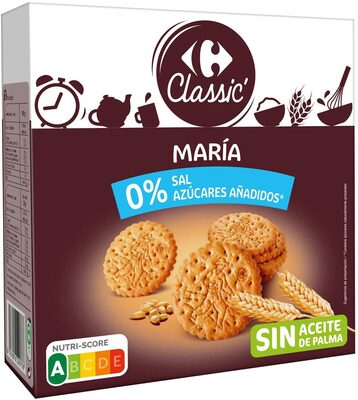
Products in our Spanish database containing this additive
Examples found in ComerClaro Spanish product database
Product names and supermarket data may appear in Spanish.


Classification:
Statistics
347
total views
Something wrong?
If you notice incorrect or incomplete information, help us improve the platform.