Ethyl lauroyl arginate
Score impact
-0.10
points/product
Description
The food additive E243, known as ethyl lauroyl arginate (LAE), is a semi-synthetic preservative derived from arginine (a natural amino acid) and lauric acid (found in coconut oil). It is obtained through a chemical reaction that combines the ethyl ester of arginine with lauroyl chloride, producing a cationic compound with antimicrobial properties. Industrially, it is synthesized under controlled purity conditions and then purified for food use.
Physically, it is a white or slightly yellowish powder, soluble in water and ethanol, with a melting point around 150-160 °C. Its main function is to inhibit the growth of Gram-positive bacteria, molds, and yeasts by acting on the microbial cell membrane.
It was approved as a food additive in the European Union in 2014 (EU Regulation 2014/907) after evaluations by EFSA (European Food Safety Authority) and WHO (World Health Organization). EFSA established an Acceptable Daily Intake (ADI) of 0-4 mg/kg body weight. The overall safety assessment indicates that it is safe at authorized levels, with no evidence of genotoxicity, carcinogenicity, or reproductive toxicity.
On food labels, it must appear as 'Ethyl lauroyl arginate' or 'E243'. It is important to note that this additive is not approved in the United States by the FDA, although it is in other countries such as Japan and Australia. Its use is strictly regulated to ensure consumer food safety.
E243 is mainly used as a preservative in processed meat products, such as sausages, cooked cured meats, and cold cuts, to extend shelf life and prevent the growth of pathogenic bacteria like Listeria monocytogenes. It is also used in processed cheese, sauces, soups, and packaged bakery products.
In the Spanish market, it can be found in brands of cured meats such as Campofrío or ElPozo, as well as in spreadable cheeses. Regulation EC 1333/2008 establishes maximum usage limits: for example, 200 mg/kg in heat-treated meat products, and 150 mg/kg in processed cheeses. Compared to the United States, where it is not authorized, the EU has a more permissive regulation, while Japan allows it in similar concentrations.
EFSA has evaluated that dietary exposure to E243 is well below the ADI, even in high consumers.
Toxicological studies conducted by EFSA and WHO have not documented significant adverse effects in humans at authorized doses. The antimicrobial mechanism of action is based on interaction with the bacterial cell membrane, but it does not affect human cells at the concentrations used. No allergies, intolerances, or drug interactions have been reported.
In animal studies, very high doses (far above the ADI) caused mild gastrointestinal irritation, but these are not considered relevant for human exposure. EFSA concluded that there is no evidence of genotoxicity, carcinogenicity, or reproductive toxicity. Sensitive populations such as children, pregnant women, or the elderly do not present additional risks.
Therefore, E243 is considered safe under authorized conditions of use.
- Ethyl lauroyl arginate
- LAE
- N-alpha-lauroyl-L-arginine ethyl ester
- Ethyl arginate laurate
- Lauroyl arginate ethyl
- Lauric arginate
- Ethyl lauroyl arginate hydrochloride
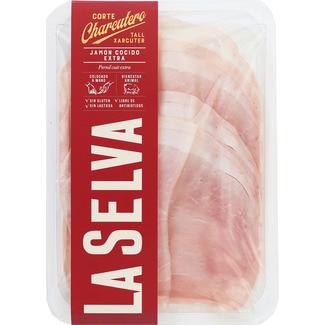
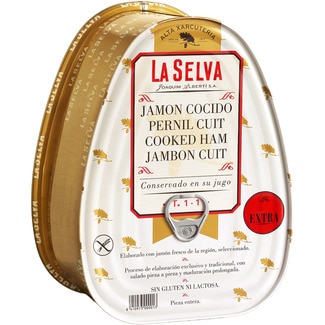
Products in our Spanish database containing this additive
Examples found in ComerClaro Spanish product database
Product names and supermarket data may appear in Spanish.

Classification:
Statistics
244
total views
Something wrong?
If you notice incorrect or incomplete information, help us improve the platform.