Potassium nitrate
Score impact
-0.70
points/product
Description
Potassium nitrate (E252) is a food additive classified as a preservative, mainly used to preserve meat and fish, inhibiting the growth of bacteria such as Clostridium botulinum and maintaining the red color of meat products. It occurs naturally in vegetables like spinach and beets, but the additive is produced industrially by reacting potassium chloride with sodium nitrate or by oxidizing ammonia followed by absorption in potassium carbonate.
Chemically, it is a white crystalline solid, odorless, with a salty and refreshing taste, highly soluble in water. Its main function is to act as a source of nitrite, which is the actual antimicrobial agent, as bacteria convert nitrate to nitrite. Historically, the use of nitrates in meat preservation dates back to the Middle Ages.
In the European Union, E252 has been approved since 1995 and is regulated by Regulation (EC) No 1333/2008. The European Food Safety Authority (EFSA) has evaluated its safety several times, establishing an Acceptable Daily Intake (ADI) of 3.7 mg/kg body weight/day, based on subchronic and chronic toxicity studies. The World Health Organization (WHO) has also set the same ADI.
The overall safety assessment is that, within authorized limits, potassium nitrate does not pose a significant health risk. However, there is controversy regarding the possible formation of carcinogenic nitrosamines from nitrites derived from nitrate, especially under high-temperature cooking conditions. Therefore, it is recommended to moderate the consumption of processed products rich in nitrates. On labeling, it must appear as 'potassium nitrate' or 'E252'.
E252 is mainly used in cured and fermented meat products, such as cured ham, salami, chorizo, cured loin, bacon, and other sausages. It is also used in salted fish and some cheeses.
In the Spanish market, it is commonly found in brands like Campofrío, El Pozo, or traditional charcuterie products. According to Regulation (EC) No 1333/2008, the maximum permitted limits vary by product: for example, in heat-untreated cured meat products, the limit is 250 mg/kg (expressed as NaNO3), while in heat-treated products it can be 150 mg/kg. In the European Union, the use of nitrates is more restricted than in the United States, where the FDA allows up to 500 mg/kg in some products. In Japan, the use of nitrates in food is prohibited except in some specific products.
The current trend is to reduce their use due to concerns about nitrosamines, and many manufacturers offer 'nitrate-free' alternatives.
Documented adverse effects of potassium nitrate are mainly related to its conversion to nitrite and the possible formation of nitrosamines, carcinogenic compounds. Epidemiological studies have associated high consumption of processed meats with an increased risk of colorectal cancer, although the evidence is not conclusive for nitrate itself.
The biological mechanism involves nitrite reacting with secondary amines in the stomach to form nitrosamines. Sensitive populations include infants under 6 months, as their hemoglobin is more susceptible to nitrite-induced methemoglobinemia. People with glucose-6-phosphate dehydrogenase deficiency may also be more vulnerable. Drug interactions: concomitant use with certain drugs for erectile dysfunction (such as sildenafil) may potentiate vasodilation and cause hypotension.
EFSA concludes that dietary exposure to potassium nitrate within authorized limits does not pose a health risk, but recommends minimizing nitrosamine formation through good manufacturing practices (e.g., adding antioxidants like ascorbic acid). The WHO agrees that current exposure levels are not a concern for the general population.
- Saltpeter
- Saltpetre
- Nitrate of potash
- Potash nitrate
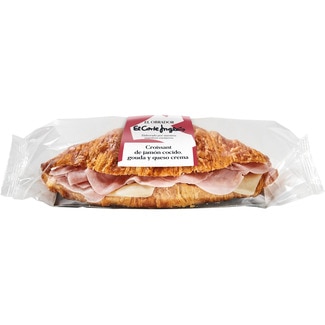
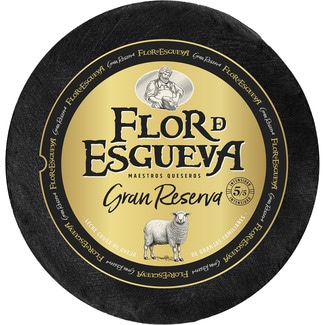
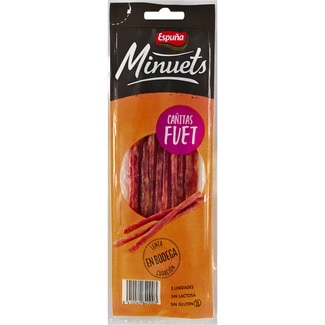
Products in our Spanish database containing this additive
Examples found in ComerClaro Spanish product database
Product names and supermarket data may appear in Spanish.
Classification:
Statistics
266
total views
Something wrong?
If you notice incorrect or incomplete information, help us improve the platform.