Acetic acid
Score impact
0.00
points/product
Description
E260, known as acetic acid, is a food additive classified as an acidity regulator. It is a weak organic acid naturally found in vinegar, produced by the acetic fermentation of ethanol. Industrially, it is obtained through bacterial fermentation (Acetobacter) or by chemical synthesis from methanol and carbon monoxide (carbonylation).
It is a colorless liquid with a pungent odor and sour taste. Its main function is to regulate the acidity of foods, acting as an acidulant, preservative, and flavor enhancer. It is also used as an antimicrobial agent, as it lowers pH, inhibiting the growth of bacteria and molds.
Acetic acid has a long history of use in human food, being the main component of vinegar, used since ancient times. In the European Union, it was approved as a food additive after evaluations by the European Food Safety Authority (EFSA) and the Joint FAO/WHO Expert Committee on Food Additives (JECFA). EFSA has established an Acceptable Daily Intake (ADI) of "not specified," meaning it is not considered a health risk at the amounts normally used. WHO also classifies it as safe.
Regarding food safety, acetic acid is generally recognized as safe (GRAS) by the FDA. On food labels, it appears as "acetic acid" or "E260." No significant adverse effects have been documented at the doses used in foods, although high concentrations may cause irritation.
In summary, E260 is a safe and widely used additive.
E260 is used in a wide variety of foods as an acidity regulator and preservative. Main categories include: pickles (cucumbers, onions, olives), sauces (ketchup, mayonnaise, mustard), salad dressings, vinaigrettes, canned vegetables, meat products (sausages, pâtés), soups and broths, and bakery products (to control dough pH).
In the Spanish market, it is commonly found in vinegars, pickles such as banderillas or stuffed olives, and sauces like salsa brava or salsa rosa. According to Regulation EC 1333/2008, acetic acid is authorized without specific quantitative limits (quantum satis) in most foods, except in some where maximum limits are set, such as in beverages (up to 3 g/L) or meat products (up to 5 g/kg).
The FDA also allows it without restrictions, and in Japan it is approved as an additive. Comparatively, regulations are similar globally, considering it a safe and commonly used additive.
Acetic acid at the concentrations used in foods (generally <1%) does not produce significant adverse effects in most people. Toxicological studies have shown it is well tolerated even at high doses. EFSA and JECFA conclude there is no evidence of carcinogenicity, genotoxicity, or reproductive toxicity.
The biological mechanism of action is simply pH reduction, which can irritate mucous membranes if ingested in concentrated form, but in diluted foods it poses no risk. Sensitive populations, such as people with gastritis or gastroesophageal reflux, might experience mild discomfort if they consume large amounts of highly acidic foods, but this is not specific to E260. No interactions with medications are known. The ADI "not specified" indicates that no adverse effects have been observed at usual consumption levels.
In conclusion, E260 is considered safe by major food safety agencies.
- Acetic acid
- Ethanoic acid
- Methylcarboxylic acid
- Vinegar acid
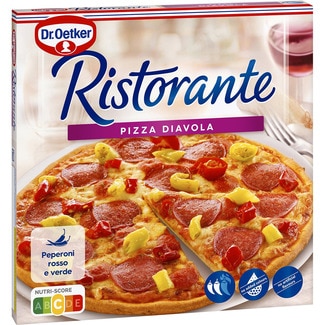
Products in our Spanish database containing this additive
Examples found in ComerClaro Spanish product database
Product names and supermarket data may appear in Spanish.


Classification:
Statistics
435
total views
Something wrong?
If you notice incorrect or incomplete information, help us improve the platform.