Sodium acetates
Score impact
0.00
points/product
Description
The food additive E262, known as sodium acetates, is a chemical compound used mainly as a preservative and acidity regulator in the food industry. It comes in two forms: sodium acetate (E262i) and sodium diacetate (E262ii). Sodium acetate is the sodium salt of acetic acid, while sodium diacetate is a combination of sodium acetate and acetic acid. Its origin can be either natural or synthetic; acetic acid is obtained by bacterial fermentation (e.g., from ethanol) or by chemical synthesis from carbon monoxide and methanol.
Industrially, sodium acetate is produced by reacting acetic acid with sodium hydroxide or sodium carbonate, followed by crystallization and drying. It is a white crystalline solid, hygroscopic, with a mild vinegar odor. Its main function is to inhibit the growth of molds and bacteria, especially in bakery products and processed meats, and it also acts as a pH regulator and flavor enhancer.
Historically, vinegar (acetic acid) has been used as a preservative since ancient times; the purified form as an additive was approved in the European Union after evaluations by the European Food Safety Authority (EFSA) and the Joint FAO/WHO Expert Committee on Food Additives (JECFA). EFSA has re-evaluated E262 several times, concluding that there are no safety concerns at authorized use levels. The Acceptable Daily Intake (ADI) was established as "not specified," meaning it is not considered a health risk in the amounts normally consumed.
Regarding labeling, it must appear as "sodium acetates" or its E number in the ingredient list. The food safety of E262 is supported by decades of use without significant adverse effects documented in humans.
E262 is used in a wide variety of foods as a preservative and acidity regulator. According to Regulation EC 1333/2008, it is authorized in categories such as fine bakery products (sliced bread, buns, cakes), processed meat products (sausages, cold cuts), soups and broths, sauces, cereal-based snacks, and foods for special medical purposes.
In the Spanish market, it is commonly found in sliced bread, hamburger buns, frankfurter-type sausages, vinegar-flavored potato chips, and some pickles. Maximum limits vary by product: for example, in sliced bread up to 2000 mg/kg (expressed as acetic acid) is allowed, while in processed meats the limit is 500 mg/kg. Compared to the FDA, the United States also considers it GRAS (Generally Recognized as Safe) and allows its use in similar amounts. In Japan, sodium acetate is approved as an additive without a specific limit in most foods.
The versatility of E262 makes it a widely used additive in the European food industry.
Sodium acetates (E262) are generally recognized as safe by major food safety agencies. EFSA and JECFA have established an ADI of "not specified," indicating no evidence of toxicity at usual use levels. Toxicological studies in animals have not shown significant adverse effects even at very high doses.
In humans, consumption of acetates in normal amounts produces no side effects. However, in people with sodium sensitivity or hypertension, the sodium content (approximately 27% by weight) could be relevant if consumed in large amounts, although the amounts present in foods are small. No specific allergies to sodium acetate have been documented.
The preservative mechanism is based on the ability of acetic acid (released in acidic media) to penetrate the cell membrane of microorganisms and alter their internal pH. No interactions with medications are known.
In conclusion, EFSA and WHO consider E262 safe under authorized use conditions, with no documented adverse effects for the general population.
- Sodium acetate
- Sodium diacetate
- Sodium salt of acetic acid
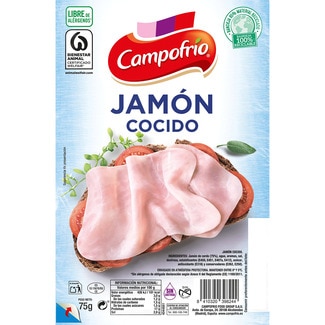
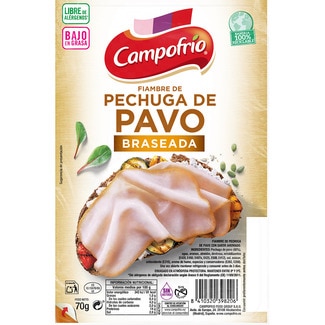
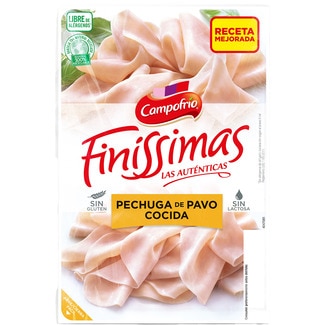
Products in our Spanish database containing this additive
Examples found in ComerClaro Spanish product database
Product names and supermarket data may appear in Spanish.
Classification:
Statistics
241
total views
Something wrong?
If you notice incorrect or incomplete information, help us improve the platform.