Sodium propionate
Score impact
-0.10
points/product
Description
E281, or sodium propionate, is a food additive used as a preservative (E number 281) in the food industry. It is the sodium salt of propionic acid, a short-chain fatty acid naturally found in some foods such as Swiss cheese, where it is produced by bacterial fermentation. Industrially, sodium propionate is obtained by reacting propionic acid with sodium hydroxide or sodium carbonate, followed by crystallization and drying.
It is a white crystalline powder, hygroscopic, with a slight odor of butyric acid, very soluble in water and slightly soluble in ethanol. Its main function is to inhibit the growth of molds and bacteria, especially Bacillus mesentericus, which causes rope disease in bread.
Sodium propionate was approved as a food additive in the European Union after evaluations by EFSA (European Food Safety Authority) and WHO (World Health Organization) through JECFA (Joint FAO/WHO Expert Committee on Food Additives). EFSA established an Acceptable Daily Intake (ADI) of 0-10 mg/kg body weight/day for propionic acid and its salts, including E281. This ADI is considered safe for the general population, including children and adults.
The overall safety assessment indicates that sodium propionate poses no significant health risks at authorized use levels. On food labels, it must appear as "sodium propionate" or "E281". It is important to note that sodium propionate is also naturally produced in the human body as a metabolite of carbohydrate fermentation by the gut microbiota, supporting its safety profile.
In summary, E281 is an effective and safe preservative widely used in the European food industry.
E281 is mainly used as a preservative in bakery and pastry products, such as sliced bread, rolls, buns, muffins, and sponge cakes, to prevent mold growth and extend shelf life. It is also used in dairy products like processed cheese, cottage cheese, and cream, as well as in some processed meat products, sauces, and dressings.
In the Spanish market, sodium propionate is commonly found in industrial sliced bread, hamburger buns, breadcrumbs, and baking mixes. According to EC Regulation 1333/2008, maximum permitted limits vary by food category: for bread and pastries, the limit is 3000 mg/kg (expressed as propionic acid); for processed cheese, 2000 mg/kg; for heat-treated meat products, 1000 mg/kg. In comparison, the US FDA classifies sodium propionate as GRAS (Generally Recognized as Safe) and allows it in bread and bakery products up to 0.32% of product weight. In Japan, its use is permitted in bread and confectionery with similar limits.
EFSA has evaluated that dietary exposure to sodium propionate is within the ADI for most of the population, even in high consumption scenarios.
Documented side effects of sodium propionate are rare and generally mild. In animal studies, very high doses (far above the ADI) have shown gastric irritation and possible effects on glucose metabolism. In humans, some observational studies have suggested a possible association between propionate consumption and increased insulin resistance and obesity, but these findings are inconclusive and EFSA considers there is insufficient evidence to establish a causal relationship.
The proposed biological mechanism is that propionate may activate free fatty acid receptors (FFAR2/3) in the gut, influencing the release of hormones such as insulin and glucagon. However, these effects are mainly observed with pharmacological doses, not with normal dietary exposures. Sensitive populations might include individuals with pre-existing metabolic disorders, but there are no specific restrictions. No significant interactions with medications are known. EFSA and WHO conclude that sodium propionate is safe under authorized conditions of use, and that potential adverse effects are minimal and do not pose a risk to public health.
In summary, E281 is one of the safest and best-tolerated preservatives.
- Sodium propionate
- Sodium propanoate
- Propanoate de sodio
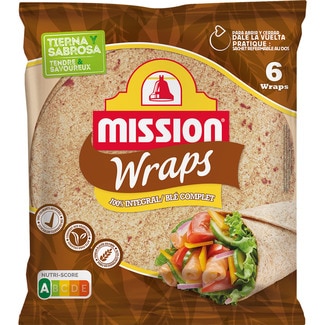
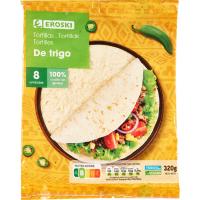
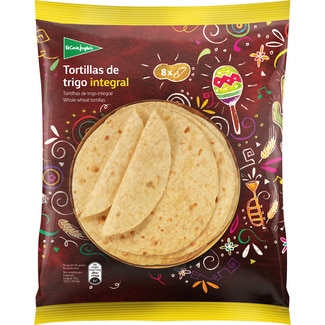
Products in our Spanish database containing this additive
Examples found in ComerClaro Spanish product database
Product names and supermarket data may appear in Spanish.
Classification:
Statistics
232
total views
Something wrong?
If you notice incorrect or incomplete information, help us improve the platform.