Malic acid
Score impact
0.00
points/product
Description
Malic acid (E296) is a food additive classified as an acidity regulator. It occurs naturally in many fruits, especially apples (hence its name, from Latin 'malum' = apple), grapes, cherries, and citrus fruits. Industrially, it is obtained by chemical synthesis from maleic anhydride or by fermentation of sugars with strains of Aspergillus niger.
It is a dicarboxylic acid with formula C4H6O5, molecular weight 134.09 g/mol. It appears as a white or colorless crystalline powder, very soluble in water and ethanol, with a mild and persistent sour taste. Its main function is to regulate the acidity (pH) of foods, enhance fruit flavors, and act as an antioxidant synergist. It is also used as a color retention agent and to improve texture in baked goods.
The history of its use as an additive dates back to the mid-20th century, and it was approved in the European Union as a safe food additive. The European Food Safety Authority (EFSA) has re-evaluated its safety several times, establishing an Acceptable Daily Intake (ADI) of 'not specified', meaning it is not considered a health risk at normal consumption levels. The World Health Organization (WHO) has also evaluated it and supports this conclusion.
Regarding labeling, it must appear in the ingredient list as 'malic acid' or 'E296'. The food safety of E296 is supported by numerous toxicological studies that have not shown significant adverse effects in humans.
In summary, malic acid is a safe and widely used additive in the food industry.
E296 is used in a wide variety of food categories, mainly as an acidity regulator and flavor enhancer. According to Regulation EC 1333/2008, it is authorized in quantum satis amounts (no specific maximum limit) in most foods, except in some products where limits are set. Main categories include: non-alcoholic beverages (soft drinks, juices, flavored waters), confectionery (candies, gummies, chewing gum), baked goods (cakes, cookies), jams, jellies, canned fruits and vegetables, sauces, mayonnaise, and processed meat products.
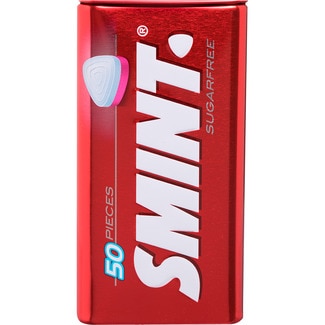
In the Spanish market, it is commonly found in cola soft drinks, isotonic drinks, sour candies (such as those from the 'Smint' or 'Fruittella' brands), and fruit jams. It is also used in wines and ciders to adjust acidity. Compared to the US FDA, malic acid is classified as GRAS (Generally Recognized as Safe) and its use is similar to that in Europe. In Japan, it is also permitted without significant restrictions.
The versatility of E296 makes it a very popular additive in the food industry.
Malic acid (E296) is considered safe by EFSA and WHO, with an ADI of 'not specified'. Toxicological studies have not shown significant adverse effects in humans at usual consumption levels. However, at high concentrations (far above those used in foods), it may cause irritation of oral and gastrointestinal mucous membranes, similar to other organic acids.
No carcinogenic, mutagenic, or teratogenic effects have been documented in animal studies. Sensitive populations, such as individuals with gastrointestinal disorders (reflux, gastritis), may experience mild discomfort if they consume large amounts of highly acidic foods, but this is not specific to E296. No interactions with medications are known. EFSA concludes that there is no reason for public health concern at current usage levels. WHO supports this conclusion.
In summary, malic acid is one of the safest additives and its toxicological profile is excellent.
- DL-Malic acid
- 2-Hydroxysuccinic acid
- Hydroxysuccinic acid
- Racemic malic acid
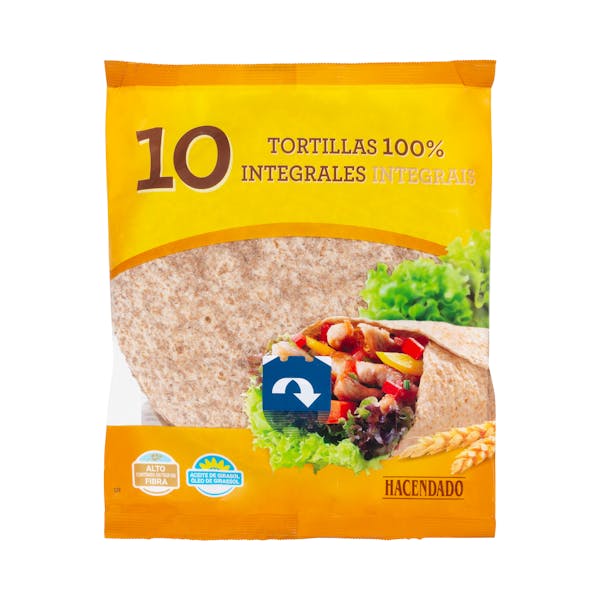
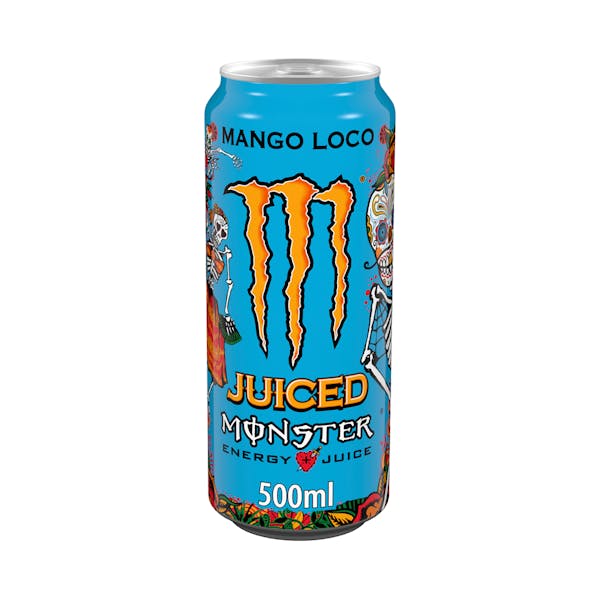
Products in our Spanish database containing this additive
Examples found in ComerClaro Spanish product database
Product names and supermarket data may appear in Spanish.
Classification:
Statistics
192
total views
Something wrong?
If you notice incorrect or incomplete information, help us improve the platform.