Alpha-tocopherol
Score impact
+0.70
points/product
Description
The food additive E307, known as alpha-tocopherol, is a form of vitamin E that acts as an antioxidant in foods. It occurs naturally in vegetable oils, nuts, and green leafy vegetables, but is also produced industrially for use as an additive. Industrially, alpha-tocopherol is obtained by chemical synthesis from trimethylhydroquinone and phytol, or by extraction and purification from vegetable oils rich in vitamin E. It is an oily liquid ranging from pale yellow to amber, insoluble in water but soluble in fats and organic solvents.
Its main function is to prevent lipid oxidation in foods, protecting against rancidity and extending shelf life. It also acts as a free radical scavenger, donating a hydrogen atom to stabilize peroxyl radicals.
The use of alpha-tocopherol as a food additive dates back to the mid-20th century, and it was approved in the European Union as a safe antioxidant. The European Food Safety Authority (EFSA) has evaluated E307 on several occasions, establishing an Acceptable Daily Intake (ADI) of 0.15-2 mg/kg body weight for all forms of vitamin E. The World Health Organization (WHO) also considers it safe at the levels used. Regarding food safety, E307 is well tolerated and no significant adverse effects have been documented at permitted doses. On food labels, it appears as "antioxidant: alpha-tocopherol" or simply "E307".
It is important to note that alpha-tocopherol is a source of vitamin E, so its consumption contributes to the intake of this essential vitamin.
E307 is mainly used as an antioxidant in foods rich in fats and oils to prevent oxidation and rancidity. Food categories where it is used include vegetable oils, margarines, mayonnaises, sauces, bakery products, breakfast cereals, processed nuts, snacks, processed meat products, and infant foods.
In the Spanish market, it can be found in olive and sunflower oils, margarines such as Flora or Tulipán, mayonnaises like Hellmann's, and in cookies and industrial pastries. Regulation EC 1333/2008 sets maximum usage limits that vary by food category; for example, in vegetable oils up to 500 mg/kg is allowed, in margarines up to 200 mg/kg, and in bakery products up to 200 mg/kg (expressed as total tocopherols). Compared to the US FDA, alpha-tocopherol is generally recognized as safe (GRAS) and has no specific limits, while in Japan it is also permitted without significant restrictions.
The versatility of E307 makes it a popular choice for the food industry, especially in products requiring a long shelf life.
Alpha-tocopherol (E307) is generally considered safe at the doses used as a food additive. EFSA has established an ADI of 0.15-2 mg/kg body weight for all forms of vitamin E, and typical dietary intakes are well below this limit. No significant adverse effects have been documented from consumption of E307 in foods. However, very high doses of vitamin E supplements (over 1000 mg/day) can cause side effects such as nausea, diarrhea, headaches, and fatigue, and in extreme cases, increase the risk of bleeding due to interference with blood clotting.
These effects are not relevant for use as an additive, as the amounts added are small. Sensitive populations such as individuals with bleeding disorders or those taking anticoagulants (warfarin) should exercise caution with vitamin E supplements, but not with the additive. No significant drug interactions are known at dietary doses. The WHO concludes that alpha-tocopherol is safe at the levels used in foods.
In summary, E307 poses no health risks under normal conditions of use.
- Alpha-tocopherol
- Tocopherol
- D-alpha-tocopherol
- DL-alpha-tocopherol
- RRR-alpha-tocopherol
- Natural vitamin E
- Synthetic vitamin E
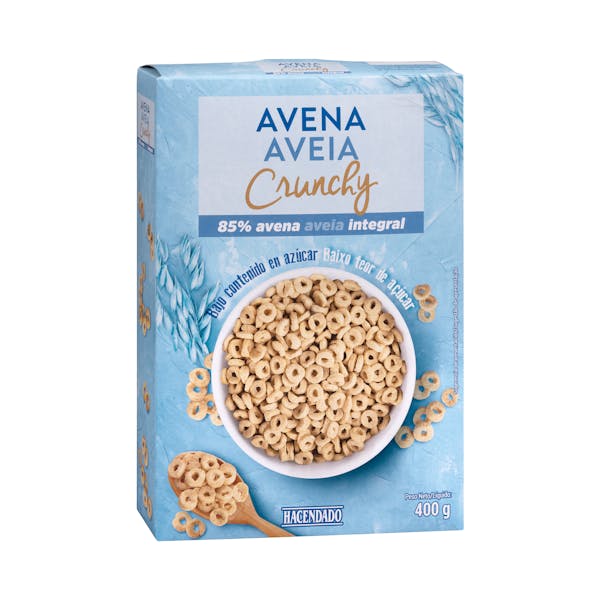
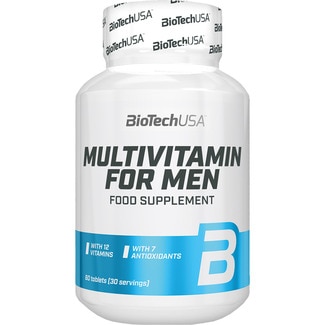
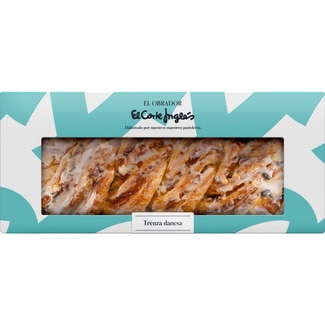
Products in our Spanish database containing this additive
Examples found in ComerClaro Spanish product database
Product names and supermarket data may appear in Spanish.
Classification:
Statistics
255
total views
Something wrong?
If you notice incorrect or incomplete information, help us improve the platform.