Butylated hydroxyanisole (BHA)
Score impact
-1.00
points/product
Description
The food additive E320, known as butylated hydroxyanisole or BHA, is a synthetic antioxidant widely used in the food industry to prevent the oxidation of fats and oils, thereby extending the shelf life of products. It is a mixture of two isomers: 2-tert-butyl-4-hydroxyanisole and 3-tert-butyl-4-hydroxyanisole. BHA is produced industrially by reacting hydroquinone with isobutylene in the presence of an acid catalyst, followed by purification by distillation.
It is a waxy solid, white or slightly yellow, with a characteristic aromatic odor. Its melting point ranges from 48 to 63 °C, and it is soluble in fats and organic solvents but practically insoluble in water. The main function of BHA is to act as an antioxidant by donating hydrogen atoms to free radicals generated during lipid oxidation, thus interrupting the chain reaction.
Historically, BHA was first approved in the United States in the 1940s and later in the European Union. The European Food Safety Authority (EFSA) has evaluated its safety on several occasions, establishing an acceptable daily intake (ADI) of 0-0.5 mg/kg body weight. The World Health Organization (WHO) has also endorsed this ADI.
Although some animal studies have suggested possible carcinogenic effects at very high doses, EFSA concludes that BHA is safe at authorized use levels. Regarding labeling, it must appear in the ingredient list as "antioxidant: E320" or "butylated hydroxyanisole". In summary, BHA is an effective and safe food additive within established limits, although its use has been controversial due to older studies that raised consumer concerns.
E320 is mainly used in fat-rich foods to prevent rancidity. The food categories where it is authorized include oils and fats (except olive oil), fine bakery products, breakfast cereals, dehydrated soups and broths, processed nuts, potato chips and other snacks, as well as chewing gum and dietary supplements.
In the Spanish market, it is found in brands of potato chips such as Lay's or Pringles, in cookies like those from Cuétara, and in some breakfast cereals like those from Nestlé. The limits authorized by Regulation EC 1333/2008 vary by category: for example, in oils and fats for spreads up to 200 mg/kg, in fine bakery products up to 200 mg/kg (expressed in fat), and in chewing gum up to 400 mg/kg. In comparison, the FDA also allows BHA in similar foods in the United States, but with limits that may differ slightly. Japan, on the other hand, has restricted its use in some products and allows lower levels.
It is important to note that BHA is often used in combination with other antioxidants such as BHT (E321) or tocopherols (E306) to enhance its effect.
The side effects of BHA have been debated due to animal studies showing possible carcinogenicity at very high doses. However, EFSA and WHO have thoroughly evaluated these data and conclude that BHA is not genotoxic and that the tumors observed in rats were due to mechanisms not relevant to humans at dietary exposure levels. The ADI of 0-0.5 mg/kg body weight is considered safe.
In humans, no significant adverse effects associated with BHA consumption at permitted levels have been documented. However, some individuals may experience allergic reactions or intolerances, although these are rare. No interactions with medications have been identified. Sensitive populations such as children or pregnant women have no additional restrictions, as estimated exposure is well below the ADI. EFSA, in its latest re-evaluation in 2018, confirmed the safety of BHA in authorized uses.
In conclusion, for the average consumer, BHA is safe and produces no side effects in the amounts present in foods.
- BHA
- Butylated hydroxyanisole
- 2-tert-butyl-4-hydroxyanisole
- 3-tert-butyl-4-hydroxyanisole
- Butylhydroxyanisole
- Mixture of isomers of butylhydroxyanisole
- BHA antioxidant
- tert-butyl-4-methoxyphenol
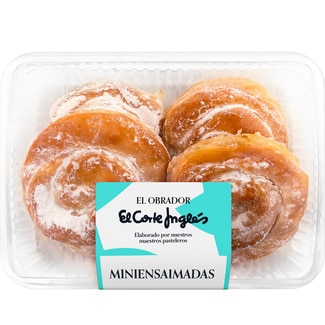
Products in our Spanish database containing this additive
Examples found in ComerClaro Spanish product database
Product names and supermarket data may appear in Spanish.


Classification:
Statistics
282
total views
Something wrong?
If you notice incorrect or incomplete information, help us improve the platform.