Lecithins
Score impact
+0.40
points/product
Description
The food additive E322, known as lecithins, is a natural emulsifier widely used in the food industry. Its name comes from the Greek 'lekithos' (egg yolk), as it was first isolated from egg yolk in 1846 by French chemist Théodore Gobley. Lecithins are a complex mixture of phospholipids (mainly phosphatidylcholine, phosphatidylethanolamine, and phosphatidylinositol), triglycerides, and other lipid components.
Industrially, they are mainly obtained from soybeans (Glycine max), although they can also come from sunflower, rapeseed, or egg. The extraction process involves oil extraction from the seed, followed by a degumming process where lecithin is separated by hydration and centrifugation. Subsequently, it is dried and may undergo purification or enzymatic modification to obtain hydrolyzed or fractionated lecithins. Lecithins are amphiphilic substances, with a hydrophilic part (polar head) and a lipophilic part (fatty acid tails), allowing them to reduce surface tension between immiscible phases such as water and oil. Their main function is as an emulsifier, stabilizing mixtures and preventing phase separation. They also act as coating agents, dispersants, and stabilizers.
The history of their use in food dates back to the early 20th century, and in the European Union they were approved as a food additive following evaluations by the European Food Safety Authority (EFSA) and the Joint FAO/WHO Expert Committee on Food Additives (JECFA). EFSA has established an Acceptable Daily Intake (ADI) of 'not specified', meaning no health risks have been identified at normally consumed amounts.
The World Health Organization (WHO) also considers it safe. On labels, it must appear as 'lecithins' or 'E322', and in organic products it can be used without restrictions.
In summary, the food safety of E322 is supported by decades of use and toxicological studies confirming its low toxicity and absence of significant adverse effects.
E322 is mainly used as an emulsifier in a wide variety of food categories. According to EC Regulation 1333/2008, it is authorized in cocoa and chocolate products (up to 10 g/kg), fine bakery products (up to 20 g/kg), emulsified sauces (up to 30 g/kg), ice cream (up to 5 g/kg), dairy drinks (up to 5 g/kg), and milk substitutes (up to 10 g/kg), among others. In the Spanish market, it is found in chocolates such as Nestlé Postres, margarines like Flora, Bimbo sliced bread, private label ice creams, and sauces like Hellmann's mayonnaise. It is also used in infant formulas and sports foods. The FDA classifies it as GRAS (Generally Recognized as Safe), with no specific limits, and in Japan it is allowed without restrictions. The versatility of lecithins allows their use in low-fat products, improving texture and stability.
Documented side effects of E322 are minimal and generally associated with very high doses or specific populations. Animal studies have shown that oral doses up to 20 g/kg body weight do not produce acute toxicity. In humans, excessive consumption (more than 30 g/day) may cause mild gastrointestinal discomfort such as diarrhea, nausea, or bloating, due to its detergent action on mucous membranes.
No carcinogenic, genotoxic, or teratogenic effects have been reported. EFSA concludes there is no safety concern at current usage levels. Sensitive populations: individuals allergic to soy should avoid soy lecithins, although processing significantly reduces allergenic protein content. No known interactions with medications. WHO supports its safety.
In conclusion, E322 is one of the safest additives, with an excellent toxicological profile.
- Phosphatides
- Soy lecithin
- Sunflower lecithin
- Rapeseed lecithin
- Egg lecithin
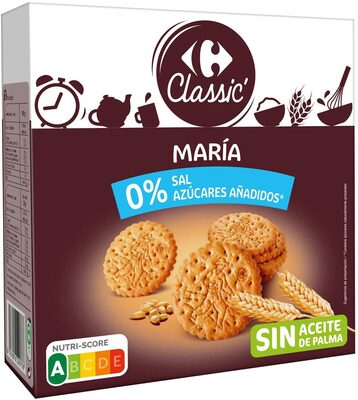
Products in our Spanish database containing this additive
Examples found in ComerClaro Spanish product database
Product names and supermarket data may appear in Spanish.


Classification:
Statistics
346
total views
Something wrong?
If you notice incorrect or incomplete information, help us improve the platform.