Sodium citrates
Score impact
0.00
points/product
Description
The food additive E331, known as sodium citrates, is an acidity regulator widely used in the food industry. It is the sodium salt of citric acid, a natural compound found in citrus fruits such as lemons and oranges. Industrially, it is obtained by fermentation of sugars (such as molasses or starch) with the fungus Aspergillus niger, which produces citric acid, which is then neutralized with sodium hydroxide to form sodium citrate. This process is highly controlled to ensure purity and safety.
Physicochemically, sodium citrates are white crystalline powders, odorless, with a salty and slightly acidic taste. They are highly soluble in water and act as buffering agents, maintaining the pH of foods in a stable range. Their main function is to regulate acidity, but they also act as emulsifiers, stabilizers, and sequestrants of metal ions, preventing unwanted reactions such as oxidation.
Historically, citric acid was first isolated in 1784 by Swedish chemist Carl Wilhelm Scheele. Its industrial production began in the early 20th century, and sodium citrates have been approved as food additives in the European Union since the 1970s. The European Food Safety Authority (EFSA) has evaluated their safety on multiple occasions, most recently in 2018, establishing an Acceptable Daily Intake (ADI) of 240 mg/kg body weight per day for citrates (expressed as citric acid). The World Health Organization (WHO) has also endorsed this evaluation, considering the additive safe at typical consumption levels.
Regarding food safety, sodium citrates are naturally metabolized in the human body, as citric acid is a key intermediate in the Krebs cycle. They have not been associated with significant adverse effects at authorized use levels. EFSA concludes that there is no risk of toxicity, carcinogenicity, or genotoxicity. On labeling, it must appear as "sodium citrates" or "E331", and its use is permitted in a wide variety of foods, from beverages to dairy and meat products.
E331 is used in numerous food categories as an acidity regulator, stabilizer, and emulsifier. According to Regulation EC 1333/2008, it is authorized in products such as soft drinks (up to 3 g/L), jams, jellies, dairy products (processed cheese, custards), ice cream, sauces, canned fruits and vegetables, and processed meat products.
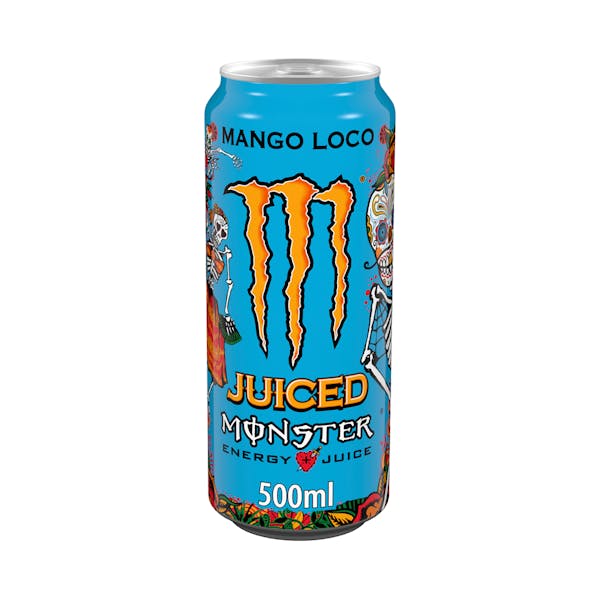
In the Spanish market, it is commonly found in cola soft drinks (e.g., Coca-Cola), sliced cheeses (e.g., El Caserío), ice creams (e.g., Nestlé), and sauces such as mayonnaise (e.g., Hellmann's). Maximum limits vary by product; for example, in non-alcoholic beverages it can be up to 3 g/L, while in processed cheese it is allowed up to 40 g/kg. Comparatively, the US FDA classifies it as "Generally Recognized as Safe" (GRAS) without specific limits, while in Japan it is permitted with restrictions similar to European ones.
Its versatility makes it an essential additive for the food industry.
Sodium citrates (E331) are considered safe by EFSA and WHO, with no documented side effects at authorized use levels. Toxicological studies have shown that it is not toxic, carcinogenic, or genotoxic.
Being a natural metabolite of the Krebs cycle, the body processes it efficiently. However, at extremely high doses (far above the ADI), it could cause laxative effects or electrolyte imbalances, but this does not occur with normal food consumption. Sensitive populations, such as people with kidney failure, may have difficulty excreting sodium, but the sodium contribution from E331 is minimal compared to common salt.
No significant drug interactions are known. EFSA concludes that there is no reason for public health concern.
In summary, E331 is one of the safest and most studied additives.
- Trisodium citrate
- Monosodium citrate
- Disodium citrate
- Sodium salt of citric acid
- Sodium citrate
Products in our Spanish database containing this additive
Examples found in ComerClaro Spanish product database
Product names and supermarket data may appear in Spanish.


Classification:
Statistics
308
total views
Something wrong?
If you notice incorrect or incomplete information, help us improve the platform.