Monosodium citrate
Score impact
0.00
points/product
Description
The food additive E331i, scientifically known as monosodium citrate or sodium dihydrogen citrate, is an acidic salt derived from citric acid (E330). It typically appears as a white crystalline powder or odorless crystals with excellent water solubility and a marked acidic taste. Unlike its neutral variant, trisodium citrate (E331iii), monosodium citrate retains two hydrogen atoms in its molecular structure, giving it much more pronounced acidic properties and a lower pH in solution.
Its industrial-scale production is carried out by partial neutralization of citric acid, commonly obtained through fermentation of carbohydrates by the action of the fungus Aspergillus niger, using sodium carbonate or sodium hydroxide in precisely calculated stoichiometric proportions.
Its main technological function is as an acidity regulator and buffering agent, very efficiently controlling pH in aqueous systems to prevent variations that alter product quality. Additionally, it acts as a powerful sequestrant, meaning it chemically binds to free metal ions present in raw materials to prevent unwanted oxidation reactions that degrade color, aroma, or microbiological stability of the food.
The safety of E331i is fully endorsed by the European Food Safety Authority (EFSA) and the JECFA committee (FAO/WHO). Because citrates naturally participate in human cellular metabolism as intermediates of the Krebs cycle, both bodies consider that this additive does not require the establishment of a specific Acceptable Daily Intake (ADI), and it is authorized in the European Union under the general quantum satis principle.
Monosodium citrate is a highly relevant ingredient in the formulation of processed foods that require controlled acidity and prolonged protection against organoleptic deterioration. In the sector of soft drinks, isotonic sports drinks, and powders for preparing instant beverages, it is used to provide a very clean acidic taste that complements fruit flavorings, while stabilizing pH against thermal variations during storage.
In the industry of canned vegetables, jams, marmalades, and jellies, E331i plays a crucial role by regulating the acidity necessary for pectins to act correctly, ensuring optimal gelation and a homogeneous consistency of the final product. It is also frequently applied in processed meat products and frozen fish, where its sequestering capacity prevents fat rancidity and loss of surface color.
In the context of the Spanish market, E331i is commonly part of the labeling of products distributed in large chains such as Mercadona (Hacendado), Carrefour, or Lidl, appearing mainly in dairy desserts, fruit preparations, emulsified sauces, and ready-to-eat desserts. Its use is firmly regulated under the guidelines of EC Regulation 1333/2008, which specifies the technical conditions of use to safeguard consumer safety. Internationally, the US FDA includes monosodium citrate in the list of substances Generally Recognized as Safe (GRAS), authorizing its free addition in industrial processes under Good Manufacturing Practices, validating its status as a highly reliable technical standard in the global food industry.
From a toxicological and public health perspective, E331i presents a negligible risk profile, behaving as a completely innocuous and safe substance for consumption by the general population under authorized limits. After ingestion, monosodium citrate rapidly dissociates in the gastrointestinal tract into sodium and citrate ions in a completely natural manner. Citrate is absorbed and metabolized by the body's cells for cellular energy production, while the excess is eliminated without difficulty via the kidneys without generating any long-term accumulation or toxicity. Scientific studies compiled by international agencies confirm the complete absence of carcinogenic, mutagenic, or endocrine-disrupting effects.
As it is not a protein substance, E331i lacks allergenic potential and is perfectly tolerated by people with general food sensitivities. As with all sodium salts, its presence contributes a small amount of this mineral to the total product count, a factor that may be considered by individuals diagnosed with chronic hypertension or severe renal insufficiency who must strictly monitor their dietary sodium intake, although its real impact in usual servings is usually marginal compared to common table salt.
In massive and unusual doses that far exceed normal dietary intake, it could induce a mild laxative effect due to intestinal osmotic mechanisms, but under industrial usage guidelines, monosodium citrate is established as a safe additive of full scientific trust.
- Monosodium citrate
- Acidic sodium citrate
- Sodium dihydrogen citrate
- Monosodium citrate
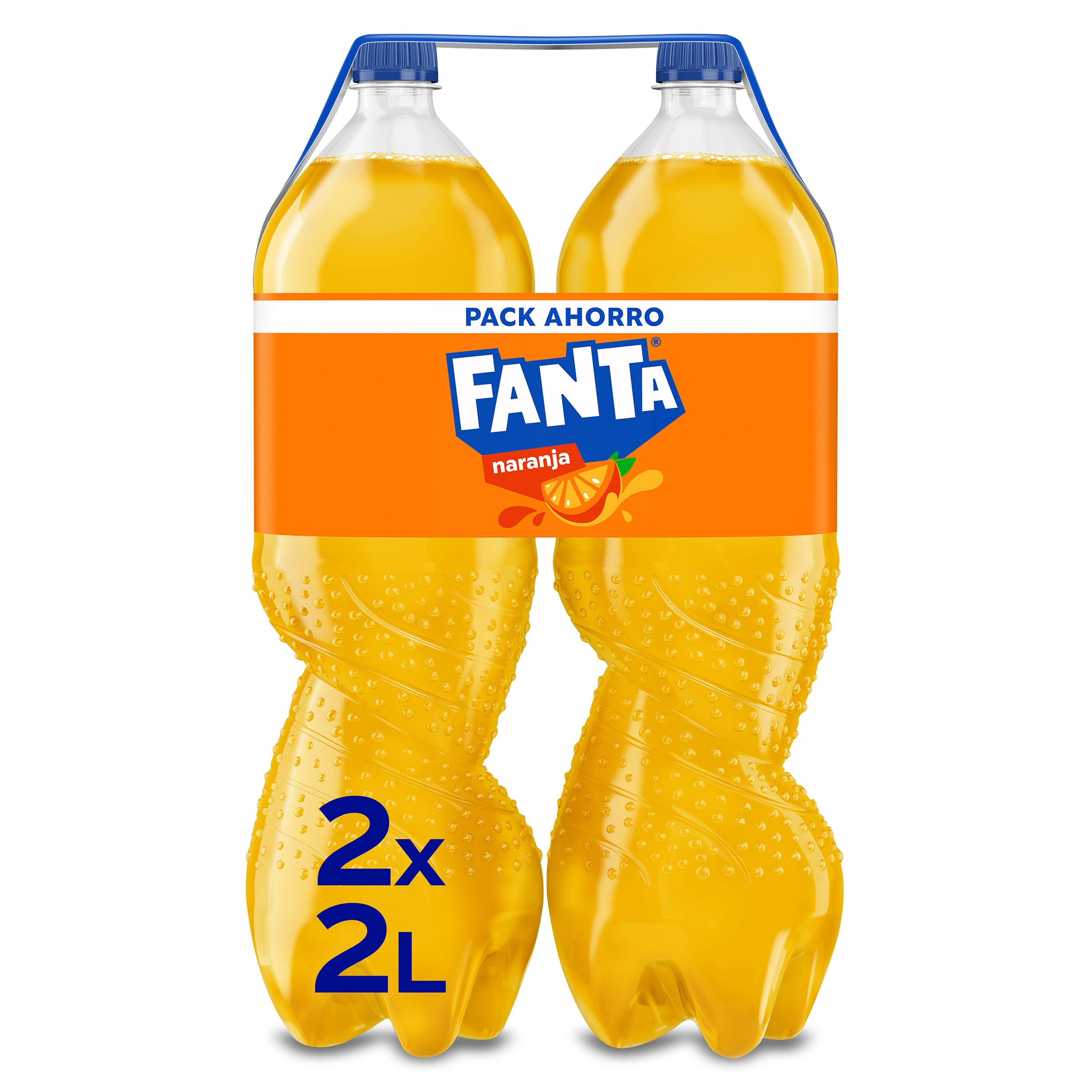
Products in our Spanish database containing this additive
Examples found in ComerClaro Spanish product database
Product names and supermarket data may appear in Spanish.


Classification:
Statistics
221
total views
Something wrong?
If you notice incorrect or incomplete information, help us improve the platform.