Potassium citrates
Score impact
0.00
points/product
Description
The food additive E332, known as potassium citrates, is an acidity regulator widely used in the food industry. It is the potassium salt of citric acid, a natural compound found in citrus fruits. Industrially, it is obtained by neutralizing citric acid with potassium hydroxide or potassium carbonate, followed by crystallization and drying.
The final product is a white crystalline powder, hygroscopic, with a salty and slightly acidic taste. It is highly soluble in water and practically insoluble in alcohol. Its main function is to regulate the acidity (pH) of foods, acting as a buffer to maintain a stable pH. It can also act as a sequestrant of metal ions, improving the stability of certain products.
Historically, citrates have been used since the early 20th century as safe additives. In the European Union, E332 has been approved since the first additives directive (Directive 95/2/EC) and is currently regulated under Regulation (EC) 1333/2008. The European Food Safety Authority (EFSA) has evaluated its safety several times, most recently in 2018, establishing an Acceptable Daily Intake (ADI) of "not specified," indicating that there is no quantitative limit for its safe consumption in usual amounts. The World Health Organization (WHO) has also evaluated it, classifying it as safe.
The overall safety assessment is very high; no health risks have been identified at authorized use levels. On the label, it must appear as "potassium citrates" or "E332." It is important to note that E332 should not be confused with E332i (monopotassium citrate) or E332ii (tripotassium citrate), although both are forms of the same additive.
In summary, E332 is a safe and effective additive for acidity correction, supported by decades of use and rigorous scientific evaluations.
E332 is mainly used as an acidity regulator and stabilizer in a wide variety of foods. According to Regulation (EC) 1333/2008, it is authorized in numerous categories, such as dairy products (processed cheese, creams), ice cream, jams, jellies, processed fruits and vegetables, beverages (soft drinks, juices), bakery products, confectionery, sauces, soups, and infant foods.
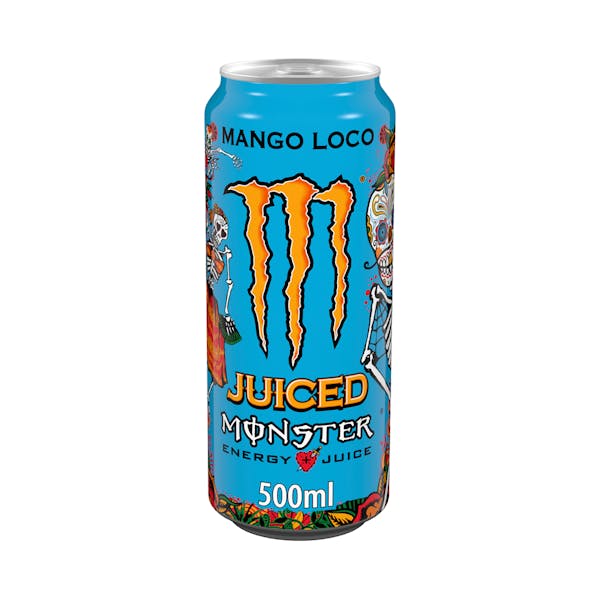
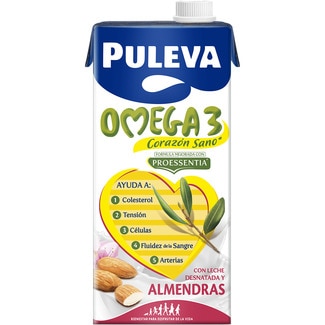
In the Spanish market, it is found in processed cheeses (such as brands Hacendado, El Caserío), cooking creams, ice creams (Nestlé, Frigo), jams (Hero, La Vieja Fábrica), and cola or lemon soft drinks. Authorized limits vary by category: for example, in processed cheeses up to 40 g/kg (expressed as citric acid), in ice creams up to 5 g/kg, in jams up to 10 g/kg, and in beverages up to 3 g/kg. Compared to the FDA, which considers it GRAS (Generally Recognized as Safe) without specific limits, the EU sets more detailed limits. Japan also allows it without significant restrictions.
E332 is preferred in products where sodium avoidance is desired, as it provides potassium, a beneficial mineral.
Potassium citrates (E332) are considered safe for the general population in the amounts used in foods. EFSA, in its 2018 evaluation, concluded that there are no safety concerns at current exposure levels. No significant adverse effects in humans have been documented following consumption of E332 in foods. However, at very high doses (pharmacological supplements), potassium can cause hyperkalemia, especially in people with renal insufficiency or those taking medications such as ACE inhibitors or potassium-sparing diuretics. But these doses are much higher than those ingested through the diet.
The biological mechanism of potassium citrate is simply the release of potassium and citrate ions; potassium is an essential electrolyte, and citrate is metabolized in the Krebs cycle. No specific allergies or intolerances to E332 have been reported. Sensitive populations are those with compromised renal function, who must control their total potassium intake. No interactions with medications at dietary levels have been documented. The WHO also supports its safety.
In conclusion, E332 is one of the safest additives, with no known side effects under normal conditions of use.
- Tripotassium citrate
- Monopotassium citrate
- Tripotassium citrate
- Monopotassium citrate
- Tribasic potassium citrate
- Monobasic potassium citrate
Products in our Spanish database containing this additive
Examples found in ComerClaro Spanish product database
Product names and supermarket data may appear in Spanish.

Classification:
Statistics
237
total views
Something wrong?
If you notice incorrect or incomplete information, help us improve the platform.