Potassium phosphates
Score impact
0.00
points/product
Description
The food additive E340, known as potassium phosphates, is an inorganic compound primarily used as a stabilizer, emulsifier, and acidity regulator in the food industry. It consists of potassium salts of phosphoric acid, including monopotassium phosphate (KH2PO4), dipotassium phosphate (K2HPO4), and tripotassium phosphate (K3PO4). Industrially, they are obtained by reacting phosphoric acid with potassium carbonate or hydroxide, followed by crystallization and drying.
They are white, crystalline powders, hygroscopic and highly soluble in water, with a salty and slightly alkaline taste. Their main function is to stabilize emulsions, prevent phase separation, improve texture, and retain moisture in meat, dairy, and bakery products. They also act as water retention agents and sequestrants of metal ions.
Historically, phosphates have been used since the early 20th century, and their use as additives was approved in the European Union after evaluations by EFSA and WHO. The European Food Safety Authority (EFSA) has re-evaluated potassium phosphates several times, establishing a group Acceptable Daily Intake (ADI) for all food phosphates of 40 mg/kg body weight per day (expressed as phosphorus). WHO also supports this ADI.
Regarding food safety, potassium phosphates are considered safe in authorized amounts, although excessive consumption can disrupt the calcium-phosphorus balance. On labels, they must be listed as 'potassium phosphates' or with their corresponding E number.
It is important to note that total phosphorus intake from all sources (natural and additives) should not exceed recommended limits to avoid potential adverse effects on kidney and bone health.
E340 is used in a wide variety of processed foods. According to EC Regulation 1333/2008, it is authorized in categories such as meat products (sausages, cooked ham, cold cuts), dairy products (processed cheeses, creams, ice creams), bakery and pastry products, beverages (soft drinks, isotonic drinks), soups and sauces, and infant foods (with specific limits).
In the Spanish market, it is found in brands such as Campofrío (cold meats), El Caserío (processed cheeses), Danone (dairy desserts), and Bimbo (sliced bread). Maximum limits vary by product: for example, in processed cheeses up to 20 g/kg (expressed as P2O5), in isotonic drinks up to 0.5 g/L, and in meat products up to 5 g/kg. Comparatively, the FDA allows its use in the US as GRAS (Generally Recognized as Safe) without specific limits, while Japan has restrictions similar to European ones. The group ADI of 40 mg/kg/day (as phosphorus) applies to all phosphates, including E340.
Potassium phosphates (E340) are generally safe in authorized amounts. However, excessive consumption of total phosphorus (including from food) can cause imbalances in the calcium-phosphorus ratio, which could affect bone health (osteoporosis) and kidney health (kidney stone formation). Studies have associated high phosphorus intakes with increased cardiovascular risk in people with chronic kidney disease.
The biological mechanism involves excess serum phosphorus stimulating parathyroid hormone, mobilizing calcium from bones. Sensitive populations include people with kidney failure, bone disease, or those taking phosphorus supplements. Drug interactions: antacids containing aluminum or calcium can reduce phosphate absorption.
EFSA and WHO conclude that within the ADI, there are no significant adverse effects for the general population. No allergic reactions have been documented.
It is important for consumers with kidney problems to consult their doctor about added phosphate intake.
- Monopotassium phosphate
- Dipotassium phosphate
- Tripotassium phosphate
- Potassium orthophosphate
- Potassium monophosphate
- Potassium diphosphate
- Potassium triphosphate
- Monobasic potassium phosphate
- Dibasic potassium phosphate
- Tribasic potassium phosphate
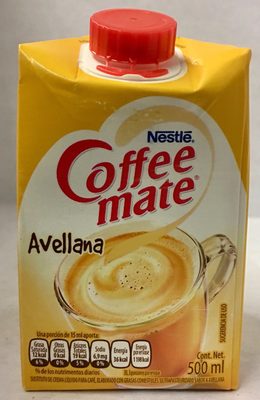
Products in our Spanish database containing this additive
Examples found in ComerClaro Spanish product database
Product names and supermarket data may appear in Spanish.


Classification:
Statistics
252
total views
Something wrong?
If you notice incorrect or incomplete information, help us improve the platform.