Agar
Score impact
+0.10
points/product
Description
The food additive E406, known as agar or agar-agar, is a natural gelling agent extracted from red algae of the genera Gelidium and Gracilaria. It is obtained through a process of boiling, filtration, freezing, and drying of the algae, producing a powder or strips that are insoluble in cold water but form thermoreversible gels upon heating and cooling.
Chemically, agar is a mixture of agarose (a linear polymer of galactose) and agaropectin (a sulfated polysaccharide). Its gelling capacity is superior to that of animal gelatin, as it forms firm gels at low concentrations (0.5-2%) and does not require refrigeration to solidify. Additionally, it is resistant to degradation by bacterial enzymes, making it useful in microbiology as a solid culture medium.
Historically, agar has been used in Asia since the 17th century, and it was approved in the European Union as a food additive in the 1970s. The European Food Safety Authority (EFSA) and the World Health Organization (WHO) have evaluated its safety on multiple occasions. EFSA, in its 2016 re-evaluation, established an Acceptable Daily Intake (ADI) of "not specified," meaning it is not considered a health risk at the levels used in foods. WHO, through the Joint FAO/WHO Expert Committee on Food Additives (JECFA), also classifies it as safe with no ADI limit.
Regarding labeling, it must appear as "agar" or "agar-agar" in the ingredient list, and its E number (E406) is optional but common. Globally, agar is considered one of the safest additives, with no documented adverse effects in humans at normal consumption levels.
Its use is permitted in organic foods and it is popular in vegan diets as a substitute for animal gelatin. The food safety of agar is supported by decades of use and toxicological studies showing no acute or chronic toxicity, genotoxicity, or carcinogenicity.
Agar is mainly used as a gelling agent, thickener, and stabilizer in a wide variety of foods. According to Regulation EC 1333/2008, it is authorized in numerous categories, such as confectionery products (gummies, candies), desserts (pudding, flan, mousse), ice cream, dairy products (yogurt, fresh cheese), canned fruits and vegetables, and processed meat products (sausages).
In the Spanish market, it is commonly found in vegan desserts, plant-based jellies, and as an ingredient in artisanal bakery products. Usage limits vary by category; for example, in confectionery up to 10 g/kg is allowed, while in ice cream up to 5 g/kg. Compared to the US FDA, agar is classified as GRAS (Generally Recognized as Safe) with no specific limits, similar to the EU. In Japan, where agar has a long culinary tradition, it is used in dishes such as tokoroten (agar noodles) and desserts like anmitsu.
The versatility of agar makes it ideal for products requiring thermoreversible gels that are stable at room temperature.
Agar is considered extremely safe for human consumption. Toxicological studies have not shown significant adverse effects at normal doses. In some cases, consumption of large amounts (higher than usual in foods) could cause mild gastrointestinal discomfort, such as bloating or diarrhea, due to its ability to retain water and act as soluble fiber. However, there is no evidence of systemic toxicity, allergies, or interactions with medications.
EFSA, in its 2016 evaluation, concluded that there is no safety concern for the general population, including children and the elderly. JECFA also classifies it as safe with no ADI. No carcinogenic, genotoxic, or reproductive effects have been documented. Since agar is not digested by humans, it acts as dietary fiber, which may be beneficial for intestinal health. No cases of allergy to agar have been reported in the scientific literature.
In summary, agar is one of the safest additives, with an excellent toxicological profile.
- Agar-agar
- Gelose
- Ceylon gelatin
- Vegetable gelatin
- Kanten
- Japanese agar
- Chinese agar
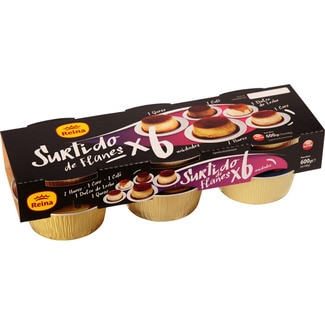
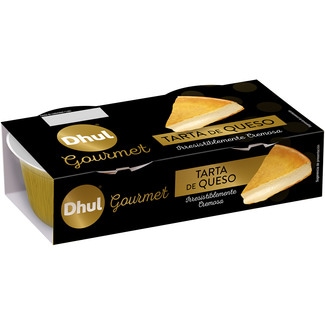
Products in our Spanish database containing this additive
Examples found in ComerClaro Spanish product database
Product names and supermarket data may appear in Spanish.

Classification:
Statistics
299
total views
Something wrong?
If you notice incorrect or incomplete information, help us improve the platform.