Processed Eucheuma seaweed
Score impact
-0.40
points/product
Description
The food additive E407A, known as Processed Eucheuma Seaweed (PES), is a natural thickener, gelling agent, and stabilizer. It is obtained from red algae of the genus Eucheuma, mainly Eucheuma cottonii and Eucheuma spinosum, cultivated in tropical waters of countries such as the Philippines, Indonesia, and Tanzania.
Industrially, the algae are harvested, washed, and treated with an alkaline solution (potassium hydroxide) to extract polysaccharides from the cell wall, mainly carrageenans. They are then dried and ground into a fine powder ranging from beige to light brown. Chemically, E407A is a mixture of carrageenans (kappa, iota, and lambda) with a high content of potassium, calcium, and magnesium salts. It differs from E407 (carrageenans) in that it is not subjected to alcohol precipitation, so it retains more insoluble fiber and has lower gelling capacity. Its main function is to thicken and stabilize emulsions, preventing phase separation.
Historically, its use as a food additive was approved in the European Union in 1996, following evaluations by EFSA and JECFA (WHO). In its 2017 re-evaluation, EFSA established that it is not necessary to set a numerical Acceptable Daily Intake (ADI), as no adverse effects have been observed in animal studies at high doses. WHO also classifies it as safe.
On labeling, it must appear as "Processed Eucheuma seaweed" or "E407A." Although it is a safe additive, moderation is recommended for people with sensitive gastrointestinal disorders.
In summary, E407A is a natural thickener widely used in the food industry, supported by scientific evaluations confirming its food safety.
E407A is mainly used in dairy products (yogurts, dairy desserts, ice cream), sauces, dressings, processed meat products (sausages, pâtés), and plant-based beverages.
In the Spanish market, it is found in brands such as Danone (yogurts), Central Lechera (desserts), and El Pozo (cold cuts). According to EC Regulation 1333/2008, its use is authorized in the EU with limits varying by category: in dairy products up to 10 g/kg, in sauces up to 20 g/kg, and in food supplements up to 1 g/kg. In the United States, the FDA considers it GRAS (Generally Recognized as Safe) without specific limits, while in Japan it is allowed as a natural thickener. Compared to other thickeners like xanthan gum (E415), E407A offers a smoother and more stable texture in acidic media.
Documented side effects of E407A are rare and mild. Some animal studies have reported possible laxative effects at very high doses (above 5 g/kg body weight), but these have not been observed in humans with normal consumption. In its 2017 opinion, EFSA concluded that there is no evidence of toxicity, carcinogenicity, or genotoxicity.
The biological mechanism is related to its ability to retain water in the intestine, which could accelerate intestinal transit in sensitive individuals. Populations with irritable bowel syndrome (IBS) or inflammatory bowel disease (IBD) may experience mild discomfort such as gas or bloating, although there are no conclusive studies. No interactions with medications are known. WHO/JECFA also considers it safe, without establishing an ADI.
In conclusion, E407A is a well-tolerated additive, and adverse effects are rare and limited to excessive consumption or individuals with pre-existing digestive conditions.
- Transformed Eucheuma algae
- Carrageenan from transformed Eucheuma algae
- Semi-refined carrageenan
- PES (Processed Eucheuma Seaweed)
- Eucheuma carrageenan
- Processed Eucheuma algae
- Eucheuma gum
- PES-type carrageenan
- Eucheuma algae extract
- Processed native carrageenan
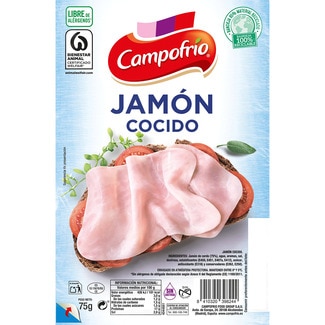
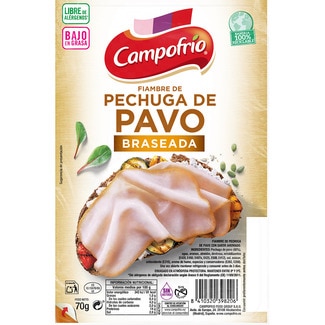
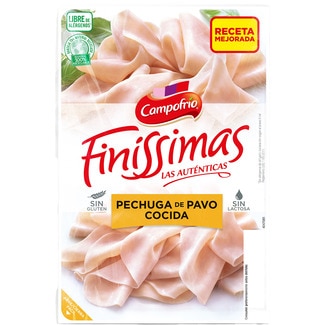
Products in our Spanish database containing this additive
Examples found in ComerClaro Spanish product database
Product names and supermarket data may appear in Spanish.
Classification:
Statistics
275
total views
Something wrong?
If you notice incorrect or incomplete information, help us improve the platform.