Mannitol
Score impact
0.00
points/product
Description
E421, known as mannitol, is a polyol (or sugar alcohol) used as a sweetener in the food industry. It occurs naturally in many fruits and vegetables, such as pineapple, celery, olives, and mushrooms, although it is also produced industrially by hydrogenation of fructose or glucose. The industrial process involves the catalytic reduction of fructose to mannitol using hydrogen and a nickel or ruthenium catalyst.
Mannitol is a white crystalline powder, sweet (approximately 50-70% of the sweetening power of table sugar), with a refreshing taste and low hygroscopicity, making it ideal for products requiring low moisture. Its main function is as a sweetener, but it also acts as a bulking agent, texturizer, and anti-caking agent.
Mannitol was approved as a food additive in the European Union in 1995, following Directive 95/2/EC, and is currently regulated by Regulation (EC) 1333/2008. The European Food Safety Authority (EFSA) has evaluated its safety on several occasions, most recently in 2017, establishing an Acceptable Daily Intake (ADI) of 'not specified', meaning it is not considered a health risk in the amounts normally consumed. The World Health Organization (WHO) has also evaluated it and has not set a numerical ADI, considering it safe for human consumption.
Regarding food safety, mannitol is well tolerated, although excessive consumption may have laxative effects due to its partial absorption in the small intestine. On food labels, it must appear as 'mannitol' or 'E421' in the ingredient list.
In summary, mannitol is a safe and versatile sweetener widely used in the European food industry.
Mannitol (E421) is used in a wide variety of food categories, especially in products without added sugar, reduced in calories, or suitable for diabetics. According to Regulation (EC) 1333/2008, it is authorized in: sugar-free confectionery (chewing gum, candies, chocolates), desserts (ice cream, jellies), fine bakery products, breakfast cereals, flavored drinks, sauces, and food supplements.
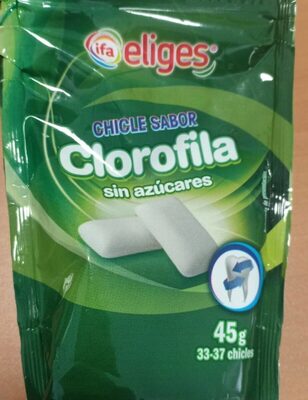
In the Spanish market, it is found in sugar-free chewing gum (e.g., Orbit, Trident), hard candies (e.g., Smint), sugar-free chocolates (e.g., Valor sin azúcar), and light ice cream. Usage limits vary by category: in sugar-free chewing gum, the maximum amount is 100 g/kg; in sugar-free confectionery, up to 100 g/kg; in desserts, up to 50 g/kg. Compared to the US FDA, mannitol is considered GRAS (Generally Recognized as Safe) and its use is similar, although in the EU maximum amounts are more detailed. In Japan, mannitol is also approved as a sweetener, with limits similar to European ones.
It is important to note that mannitol is not permitted in foods for infants and young children.
Mannitol is generally safe for the general population, but excessive consumption may cause laxative and gastrointestinal effects, such as diarrhea, flatulence, and abdominal distension. This is because mannitol is partially absorbed in the small intestine (approximately 50%) and the remainder reaches the colon, where it is fermented by the gut microbiota, producing gas and attracting water by osmosis, which accelerates intestinal transit. The threshold dose for these effects varies among individuals, but symptoms may appear from 20-30 grams per day. A 2017 EFSA study concluded that consumption of mannitol in usual amounts does not pose a health risk.
No carcinogenic, genotoxic, or teratogenic effects have been documented in animal studies. Sensitive populations include people with irritable bowel syndrome (IBS) or functional digestive disorders, who may be more susceptible to laxative effects.
Regarding drug interactions, mannitol may interfere with the absorption of some medications, but there is no evidence of clinically significant interactions. WHO and EFSA agree that it is not necessary to establish a numerical ADI, as adverse effects only occur with very high intakes not reached with a normal diet.
In conclusion, mannitol is a safe additive when consumed within established limits.
- Mannitol
- Mannitol (E421)
- D-Mannitol
- Mannite
- Crystalline mannitol
Products in our Spanish database containing this additive
Examples found in ComerClaro Spanish product database
Product names and supermarket data may appear in Spanish.

Classification:
Statistics
237
total views
Something wrong?
If you notice incorrect or incomplete information, help us improve the platform.