Glycerol
Score impact
0.00
points/product
Description
The food additive E422, commonly known as glycerol or glycerin, is an organic compound belonging to the humectant category. It is a sugar alcohol (polyol) that occurs naturally in fats and oils and is also produced by the human body. Industrially, glycerol is mainly obtained as a byproduct of biodiesel manufacturing (transesterification of vegetable oils) or through chemical synthesis from propylene.
It is a viscous, colorless, odorless liquid with a sweet taste (approximately 60% of the sweetening power of table sugar). Its chemical formula is C3H8O3 and its molecular weight is 92.09 g/mol. Glycerol is hygroscopic, meaning it attracts and retains moisture from the environment, a property that makes it ideal as a humectant in foods. It also acts as a solvent, thickener, and texturizing agent.
Its history as a food additive dates back to the early 20th century, and it was approved in the European Union as a safe additive (E422) following evaluations by the European Food Safety Authority (EFSA) and the Joint FAO/WHO Expert Committee on Food Additives (JECFA). EFSA has established an Acceptable Daily Intake (ADI) of "not specified," meaning it is not considered a health risk in the amounts normally consumed. The World Health Organization (WHO) also classifies it as safe. Regarding labeling, it must appear as "glycerol" or "E422" in the ingredient list.
The food safety of glycerol is supported by numerous toxicological studies that have shown no significant adverse effects in humans. It is metabolized by the liver and converted into glucose or used as an energy source.
In summary, E422 is a widely used food additive with an excellent safety profile and no significant use restrictions in the EU.
Glycerol (E422) is used in a wide variety of foods as a humectant, solvent, sweetener, and texturizing agent. In the European Union, its use is regulated by Regulation (EC) 1333/2008, which states that it can be used in all foods in quantum satis amounts (no specific maximum limit), except where particular restrictions apply. Common food categories include: bakery and pastry products (to maintain moisture), confectionery products (chewing gum, candies, mints), ice cream and frozen desserts (to prevent crystallization), beverages (as a sweetener and thickener), processed meat products (to improve texture), and dietetic or sports foods (energy bars, supplements).
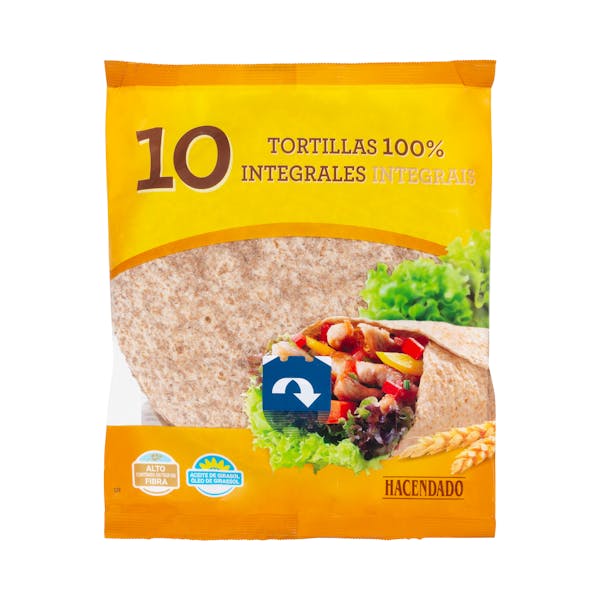
In the Spanish market, it is found in brands such as Hacendado (chewing gum), Nestlé (ice cream), and industrial bakery products. Comparatively, the US FDA also considers it GRAS (Generally Recognized As Safe) and allows its use without specific limits, as does Japan. There are no significant differences in international regulations, reflecting its broad acceptance as a safe additive.
Glycerol (E422) is considered safe by EFSA and WHO, and no significant adverse effects have been documented at the amounts used in foods. However, at very high doses (above 10-20 grams per day), it can cause laxative effects due to its ability to attract water into the intestine, which may lead to diarrhea, abdominal discomfort, or mild dehydration. These effects are unlikely with normal food consumption, as the amounts present are small.
The biological mechanism is that unabsorbed glycerol in the small intestine retains water by osmosis, increasing fecal volume. Sensitive populations include people with gastrointestinal disorders such as irritable bowel syndrome or inflammatory bowel disease, who may experience discomfort with moderate doses. No interactions with medications are known, although theoretically it could potentiate the effect of laxatives.
EFSA concludes that there is no safety concern for the general population, and the ADI is "not specified." In animal studies, no carcinogenic, mutagenic, or teratogenic effects were observed.
Therefore, glycerol is one of the safest and best-tolerated additives.
- Glycerin
- 3-Propanetriol
- Anhydrous glycerol
- Liquid glycerol
- Glycerin
- Glycerol
Products in our Spanish database containing this additive
Examples found in ComerClaro Spanish product database
Product names and supermarket data may appear in Spanish.

Classification:
Statistics
336
total views
Something wrong?
If you notice incorrect or incomplete information, help us improve the platform.