Sucrose acetate isobutyrate
Score impact
0.00
points/product
Description
E444, also known as sucrose acetate isobutyrate (SAIB), is a food additive primarily used as a stabilizer and bulking agent in beverages and other products. It is obtained by partial esterification of sucrose with acetic anhydride and isobutyric anhydride, followed by a purification process.
Chemically, it is a mixture of sucrose esters with acetate and isobutyrate groups, with a degree of substitution ranging from 2 to 6. It appears as a viscous, colorless or slightly yellowish liquid, practically odorless with a slightly bitter taste. It is soluble in organic solvents and practically insoluble in water. Its main function is to stabilize emulsions and suspensions, preventing phase separation and improving product texture. It is also used as a bulking agent to adjust the density of beverages, especially soft drinks containing essential oils.
The history of SAIB as a food additive dates back to its approval in the United States in the 1960s, and it was later evaluated by the Joint FAO/WHO Expert Committee on Food Additives (JECFA) in 1976, establishing an acceptable daily intake (ADI) of 0-20 mg/kg body weight. In the European Union, it was authorized as a food additive in 1995 and re-evaluated by the European Food Safety Authority (EFSA) in 2016, confirming the ADI and concluding that there are no safety concerns at the authorized use levels.
EFSA noted that SAIB is hydrolyzed in the gastrointestinal tract to sucrose, acetic acid, and isobutyric acid, all natural compounds of metabolism. No significant adverse effects have been observed in chronic toxicity, carcinogenicity, or reproduction studies. Regarding labeling, it must appear as "sucrose acetate isobutyrate" or "E444" in the ingredient list.
In summary, E444 is a safe and effective additive widely used in the food industry to stabilize beverages and other products.
E444 is mainly used as a stabilizer and bulking agent in non-alcoholic beverages, especially soft drinks containing essential oils (such as citrus oils) to prevent separation and maintain a homogeneous appearance. It is also used in alcoholic beverages, such as liqueurs and pre-mixed cocktails, to adjust density and improve texture.
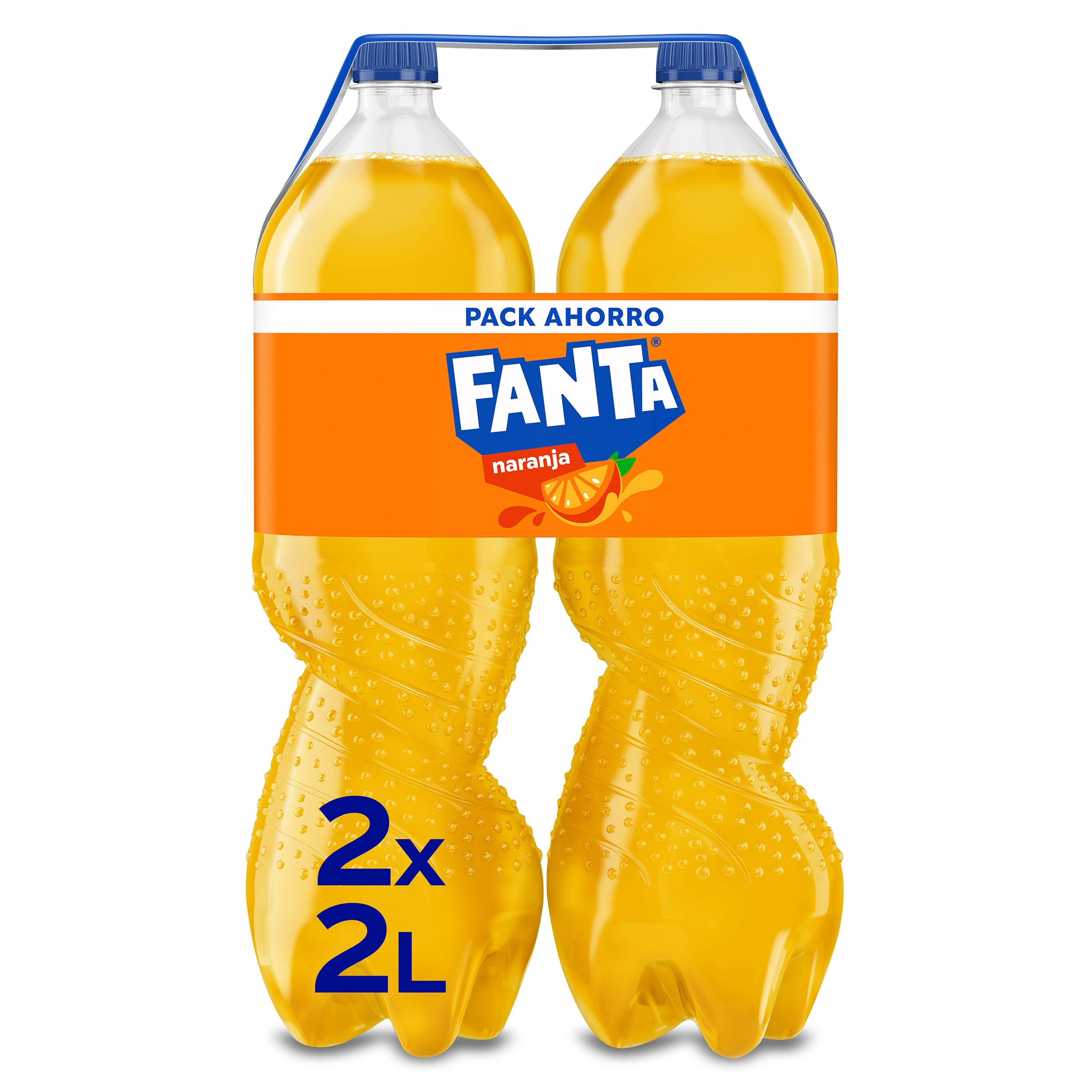
In the Spanish market, it can be found in soft drinks of brands like Fanta, Sprite, or 7Up, as well as in some juices and nectars. According to Regulation (EC) 1333/2008, E444 is authorized in the EU for use in flavored non-alcoholic beverages (category 14.1.4) with a maximum limit of 300 mg/l, and in alcoholic beverages (category 14.2) with a limit of 300 mg/l. Compared to the FDA, which also allows it in beverages up to 300 mg/l, the regulations are similar. Japan also authorizes it, but with more restrictive limits in some products.
It is not used in solid foods due to its low water solubility.
Toxicological studies conducted by EFSA and JECFA have not identified significant adverse effects associated with the consumption of E444 at authorized doses. SAIB is completely hydrolyzed in the gastrointestinal tract to its components: sucrose, acetic acid, and isobutyric acid, all of which are endogenous substances or present in the diet. No genotoxic, carcinogenic, or teratogenic effects have been observed in animal studies.
In humans, no allergic reactions or specific intolerances have been documented. The ADI of 0-20 mg/kg bw provides a wide safety margin, as estimated dietary exposure is well below this limit.
No interactions with medications are known. Sensitive populations such as children or pregnant women do not present additional risks. EFSA concluded that there is no reason for public health concern at current use levels.
Therefore, E444 is considered safe for the general consumer.
- SAIB
- Sucrose acetate isobutyrate
- Sucrose ester with acetic acid and isobutyric acid
Products in our Spanish database containing this additive
Examples found in ComerClaro Spanish product database
Product names and supermarket data may appear in Spanish.

Classification:
Statistics
238
total views
Something wrong?
If you notice incorrect or incomplete information, help us improve the platform.