Glycerol esters of wood rosin
Score impact
0.00
points/product
Description
The food additive E445, known as glycerol esters of wood rosin, is an emulsifier and stabilizer used mainly in the food industry to improve texture and prevent ingredient separation. It is obtained by esterification of wood rosin (colophony) with glycerol. Colophony is extracted from the resin of pines and other conifers, and purified to remove impurities. Industrially, the process involves the reaction of colophony with glycerol at high temperatures, followed by distillation and purification.
The final product is a complex mixture of glycerol esters of resin acids, mainly abietic acid and its isomers. Physically, it appears as a yellow to amber solid mass, soluble in oils and organic solvents, and insoluble in water. Its main function is to act as an emulsifier, allowing the mixing of oils and water, and as a stabilizer, maintaining the homogeneity of emulsions. It is also used as a coating agent and to improve viscosity.
The history of its use in food dates back to the mid-20th century, and it was approved in the European Union as a food additive after evaluations by the European Food Safety Authority (EFSA) and the World Health Organization (WHO). EFSA has established an Acceptable Daily Intake (ADI) of 12.5 mg per kg of body weight per day, based on long-term toxicity studies. WHO, through the Joint FAO/WHO Expert Committee on Food Additives (JECFA), has also evaluated E445 and established the same ADI.
Regarding food safety, it is considered safe at authorized doses, with no significant adverse effects in humans. On labeling, it must appear as "glycerol esters of wood rosin" or with its number E445.
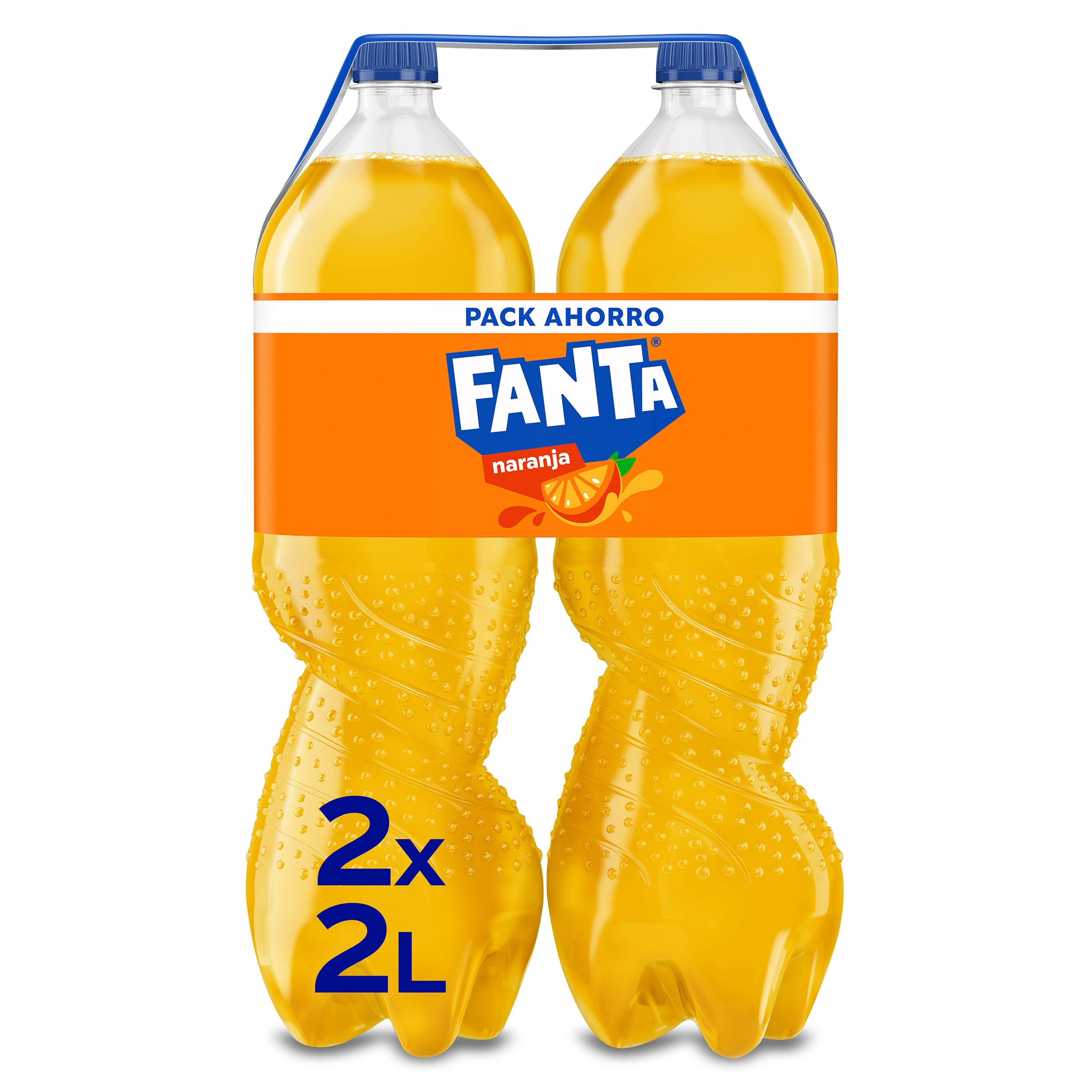
E445 is used in various food categories according to Regulation EC 1333/2008. Main applications include flavored beverages (such as citrus soft drinks), where it acts as an emulsifier to keep essential oils in suspension; chewing gum and bubble gum, as a coating agent and to improve texture; and confectionery products, such as candies and lozenges.
In the Spanish market, it is found in bitter-type beverages, sugar-free chewing gum, and some hard candies. Authorized limits vary by category: in flavored beverages, the maximum limit is 100 mg/l; in chewing gum, up to 5000 mg/kg; in confectionery, up to 1000 mg/kg. Comparatively, the US FDA approves it as a direct food additive with similar limits, while in Japan its use is restricted to certain products.
EFSA has recently reviewed the usage levels and considers them safe within the established limits.
Toxicological studies conducted by EFSA and JECFA have not identified significant adverse effects in humans at authorized doses. In animal studies, a slight increase in liver weight and changes in liver enzyme levels were observed only at very high doses (above 1000 mg/kg bw/day), far exceeding the ADI. No carcinogenic, genotoxic, or teratogenic effects have been documented.
The biological mechanism of its metabolism involves hydrolysis of the esters in the gastrointestinal tract, releasing glycerol and resin acids, which are excreted mainly in feces. No particularly sensitive populations have been identified, although people with allergy to colophony could react, though this is rare. No interactions with medications are known.
The conclusion of EFSA and WHO is that E445 is safe for the general population at authorized doses, with no need for additional restrictions.
- Glycerol esters of colophony
- Glycerol esters of wood resin
- Glycerol esters of resin
- Glycerol esters of wood rosin
Products in our Spanish database containing this additive
Examples found in ComerClaro Spanish product database
Product names and supermarket data may appear in Spanish.


Classification:
Statistics
239
total views
Something wrong?
If you notice incorrect or incomplete information, help us improve the platform.