Polyphosphates
Score impact
-0.10
points/product
Description
Polyphosphates (E452) are a group of food additives that act as stabilizers, emulsifiers, sequestrants, and acidity regulators. Chemically, they are sodium, potassium, or calcium salts of linear polyphosphoric acids, with chains of 2 to more than 10 phosphate units. They are obtained industrially by controlled thermal dehydration of orthophosphates, followed by neutralization with suitable bases.
They are white powders or granules, highly soluble in water, with the ability to chelate metal ions (Ca, Mg, Fe) and stabilize emulsions. Their main function is to retain water in processed meats and fish, improve the texture of processed cheeses, and prevent discoloration in canned fruits and vegetables. They are also used in beverages and bakery products.
The history of their use in food dates back to the mid-20th century, and they were approved in the European Union as food additives after evaluations by EFSA and the Joint FAO/WHO Expert Committee on Food Additives (JECFA). EFSA established a group Acceptable Daily Intake (ADI) of 40 mg/kg body weight/day for all phosphates (E338-E452), based on chronic toxicity studies and effects on calcium metabolism. WHO/JECFA also set a similar ADI.
The overall safety assessment is favorable at authorized doses, although it is recommended not to exceed the established limits. On labeling, it must appear as "polyphosphates" or "E452", and in some cases the salt (sodium, potassium, or calcium) is specified. Although considered safe, there is controversy regarding its possible contribution to phosphorus imbalances in the diet, especially in people with chronic kidney disease.
Polyphosphates (E452) are used in a wide variety of food categories according to Regulation EC 1333/2008. In processed meats (sausages, cooked ham, cold cuts) they are used to improve water retention and texture, with limits ranging from 1 to 5 g/kg depending on the product. In frozen fish and seafood, they help prevent water loss during thawing, with limits up to 5 g/kg. In processed cheeses and analogues, they act as emulsifiers, with limits of 20 g/kg in some cases. They are also used in bakery products (up to 2 g/kg), isotonic beverages (up to 0.5 g/L), and food supplements.
In the Spanish market, they are found in brands of cooked ham, Frankfurt-type sausages, surimi, and some sliced cheeses. The FDA allows their use in the USA as GRAS (Generally Recognized as Safe) with similar limits, although regulation is less specific. In Japan, their use is permitted with similar restrictions. Maximum limits in the EU are expressed as total phosphorus (P2O5) or as individual additive, and vary by food category.
Polyphosphates (E452) are generally safe in authorized amounts. However, excessive intake can alter the calcium-phosphorus balance, especially in people with kidney failure, as the kidneys do not efficiently eliminate excess phosphorus. This can lead to hyperphosphatemia, which in the long term is associated with vascular calcification and bone disease. Animal studies have shown that very high doses (above 200 mg/kg/day) can cause renal and bone calcification.
In humans, no acute adverse effects have been documented with usual dietary doses. EFSA concluded that dietary exposure to phosphates (including E452) is below the ADI in the general population, but may be high in certain groups (adolescents and young adults) due to consumption of processed foods. No significant interactions with medications have been reported, although antacids containing aluminum can form complexes with phosphates. Sensitive populations are people with chronic kidney disease, who should limit their phosphorus intake.
In summary, current evidence supports the safety of E452 at authorized use levels, but moderation in the consumption of ultra-processed foods rich in phosphates is recommended.
- Sodium polyphosphate
- Potassium polyphosphate
- Calcium polyphosphate
- Sodium hexametaphosphate
- Sodium tripolyphosphate
Products in our Spanish database containing this additive
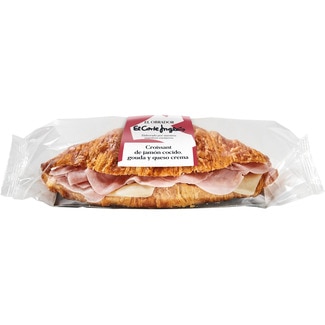
Examples found in ComerClaro Spanish product database
Product names and supermarket data may appear in Spanish.


Classification:
Statistics
342
total views
Something wrong?
If you notice incorrect or incomplete information, help us improve the platform.