Methyl cellulose
Score impact
0.00
points/product
Description
Methyl cellulose (E461) is a food additive belonging to the group of thickeners, stabilizers, and emulsifiers. It is a cellulose ether obtained by chemical modification of natural cellulose, which is the main component of plant cell walls. Industrially, cellulose is extracted from wood or cotton and treated with methyl chloride under alkaline conditions to introduce methyl groups (-OCH3) into the molecule. The degree of substitution (number of methyl groups per glucose unit) determines its properties.
Methyl cellulose is a white or slightly yellowish powder, odorless and tasteless, soluble in cold water forming a viscous colloidal solution that gels upon heating and returns to liquid state upon cooling (reversible thermal gelation). This unique property distinguishes it from other thickeners. Its main functions are to thicken, stabilize emulsions, retain water, and modify the texture of foods.
It was approved as a food additive in the European Union after evaluations by EFSA (European Food Safety Authority) and JECFA (Joint FAO/WHO Expert Committee on Food Additives). EFSA has established an Acceptable Daily Intake (ADI) of "not specified," meaning it is not considered a health risk at the levels used in foods. WHO has also evaluated it and has not set quantitative limits. On labels, it must appear as "methyl cellulose" or "E461."
It is important to note that methyl cellulose is not digested or absorbed in the gastrointestinal tract, acting as a soluble dietary fiber. Its safety is supported by decades of use and numerous toxicological studies that have not shown significant adverse effects. However, at very high doses, it may have a laxative effect, similar to other fibers.
In summary, methyl cellulose is a safe and versatile food additive widely used in the food industry.
Methyl cellulose (E461) is used in a wide variety of food categories as a thickener, stabilizer, emulsifier, and water retention agent. According to EC Regulation 1333/2008, it is authorized in numerous products, including: bakery and pastry products (to improve texture and retain moisture), processed meat products (such as sausages and pâtés, to stabilize emulsions and reduce water loss during cooking), dairy products (ice cream, yogurts, and desserts, to provide creaminess and prevent ice crystal formation), sauces and soups (to thicken and add body), confectionery products (such as candies and gummies, to control sugar crystallization), and frozen foods (to maintain texture after thawing).
In the Spanish market, it is found in brands of sliced bread, industrial pastries, Frankfurt-type sausages, ice creams, prepared sauces, and vegan products that mimic meat. Usage limits vary by category, but it is generally used in amounts up to 10 g/kg (quantum satis in many cases, i.e., the amount necessary to achieve the desired effect). In the United States, the FDA considers it GRAS (Generally Recognized As Safe) and its use is permitted without specific limits, similar to the EU. In Japan, it is also approved.
There are no significant differences in international regulations.
Methyl cellulose (E461) is considered safe by major food safety agencies, such as EFSA and WHO. No significant adverse effects have been documented in humans when consumed in the usual amounts present in foods. Being a non-digestible polymer, it acts as a soluble fiber in the intestine. At very high doses (higher than those found in foods), it may have a laxative effect due to its ability to retain water and increase fecal volume. This effect is similar to that of other dietary fibers and is not considered dangerous.
No specific allergic reactions to methyl cellulose have been reported, although individuals with allergies to cellulose (extremely rare) could be sensitive. No interactions with medications are known, although theoretically, very high doses could interfere with the absorption of some drugs by forming a physical barrier in the intestine. However, this has not been observed in practice at food use levels.
EFSA, in its latest re-evaluation in 2018, concluded that there is no toxicological concern and that dietary exposure to methyl cellulose does not pose a health risk. WHO has also evaluated it and has not established a numerical ADI, considering it safe.
In summary, methyl cellulose is a well-tolerated and safe additive for the general population, including children and the elderly.
- Methyl ether of cellulose
- Methyl cellulose
- Food-grade methyl cellulose
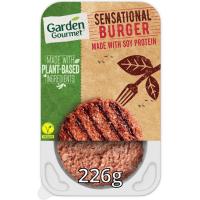
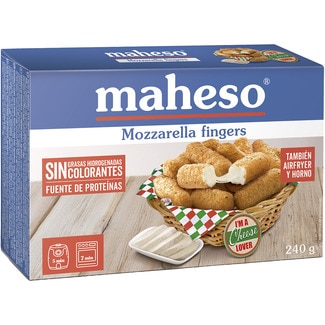
Products in our Spanish database containing this additive
Examples found in ComerClaro Spanish product database
Product names and supermarket data may appear in Spanish.

Classification:
Statistics
221
total views
Something wrong?
If you notice incorrect or incomplete information, help us improve the platform.