Hydroxypropyl cellulose
Score impact
0.00
points/product
Description
The food additive E463, known as hydroxypropyl cellulose (HPC), is a thickener, stabilizer, and emulsifier used in the food industry. It is a derivative of cellulose, a natural polysaccharide that forms part of the cell wall of plants. Hydroxypropyl cellulose is obtained by reacting cellulose with propylene oxide under alkaline conditions, which introduces hydroxypropyl groups into the cellulose structure.
This process modifies its properties, making it soluble in cold water and some organic solvents, and giving it thickening and gelling capacity. HPC is a white or slightly yellowish, odorless, and tasteless powder that forms viscous, clear solutions in water. Its main function in foods is to thicken, stabilize emulsions, retain water, and improve texture.
The history of its use as a food additive dates back to the mid-20th century, and it was approved in the European Union as a safe food additive. The European Food Safety Authority (EFSA) has evaluated hydroxypropyl cellulose several times, establishing an Acceptable Daily Intake (ADI) of 25 mg/kg body weight per day. The World Health Organization (WHO) has also evaluated it, concluding that it is safe for human consumption in the amounts used.
Regarding labeling, it must appear as 'hydroxypropyl cellulose' or with its E number (E463) in the ingredient list. Globally, it is considered a safe additive, with low allergenic potential and no significant adverse effects at authorized doses. Its use is permitted in a wide variety of foods, such as bakery products, sauces, beverages, dairy products, and processed foods. The food safety of HPC is supported by numerous toxicological studies that have shown no carcinogenic, genotoxic, or reproductive effects.
In summary, E463 is a well-tolerated and safe food additive within established limits.
Hydroxypropyl cellulose (E463) is mainly used as a thickener, stabilizer, and emulsifier in a wide range of food products.
In the Spanish market, it is found in bakery and pastry products, where it improves texture and retains moisture; in sauces and dressings, to provide consistency; in beverages, as a thickener and stabilizer for suspensions; in dairy products, such as yogurts and desserts, to improve creaminess; and in processed foods, such as restructured meats and cheese substitutes. According to Regulation EC 1333/2008, its use is authorized in various food categories with limits that vary by product. For example, in fine bakery products, the maximum limit is 10 g/kg; in emulsified sauces, up to 20 g/kg; in flavored beverages, up to 10 g/kg; and in food supplements, up to 30 g/kg.
Compared to the US FDA, hydroxypropyl cellulose is considered Generally Recognized as Safe (GRAS) for similar uses, with no specific limits beyond good manufacturing practices. In Japan, it is also approved as a food additive. The versatility of HPC makes it useful in foods that require thermal stability and resistance to pH changes.
Documented side effects of hydroxypropyl cellulose (E463) are rare and generally mild. As a non-digestible cellulose derivative, it can act as dietary fiber, but in large amounts it could cause laxative effects or gastrointestinal discomfort, such as bloating or gas. However, the amounts used in foods are low and no significant adverse effects are expected.
EFSA, in its 2018 evaluation, concluded that there are no safety concerns for the general population at estimated exposure levels. No specific allergies to HPC have been reported, although individuals with sensitivity to cellulose may experience mild reactions.
No interactions with medications are known, although it could affect the absorption of some drugs if consumed in large doses, similar to other fibers. The WHO also considers it safe, without establishing a numerical ADI in some evaluations due to its low toxicity. In animal studies, no carcinogenic, genotoxic, or teratogenic effects were observed. Sensitive populations, such as children or the elderly, have no special risks.
In conclusion, hydroxypropyl cellulose is a safe additive with a very low side effect profile, supported by evaluations from health authorities.
- HPC
- E-463
- Hydroxypropyl ether of cellulose
- Cellulose, 2-hydroxypropyl ether
Products in our Spanish database containing this additive
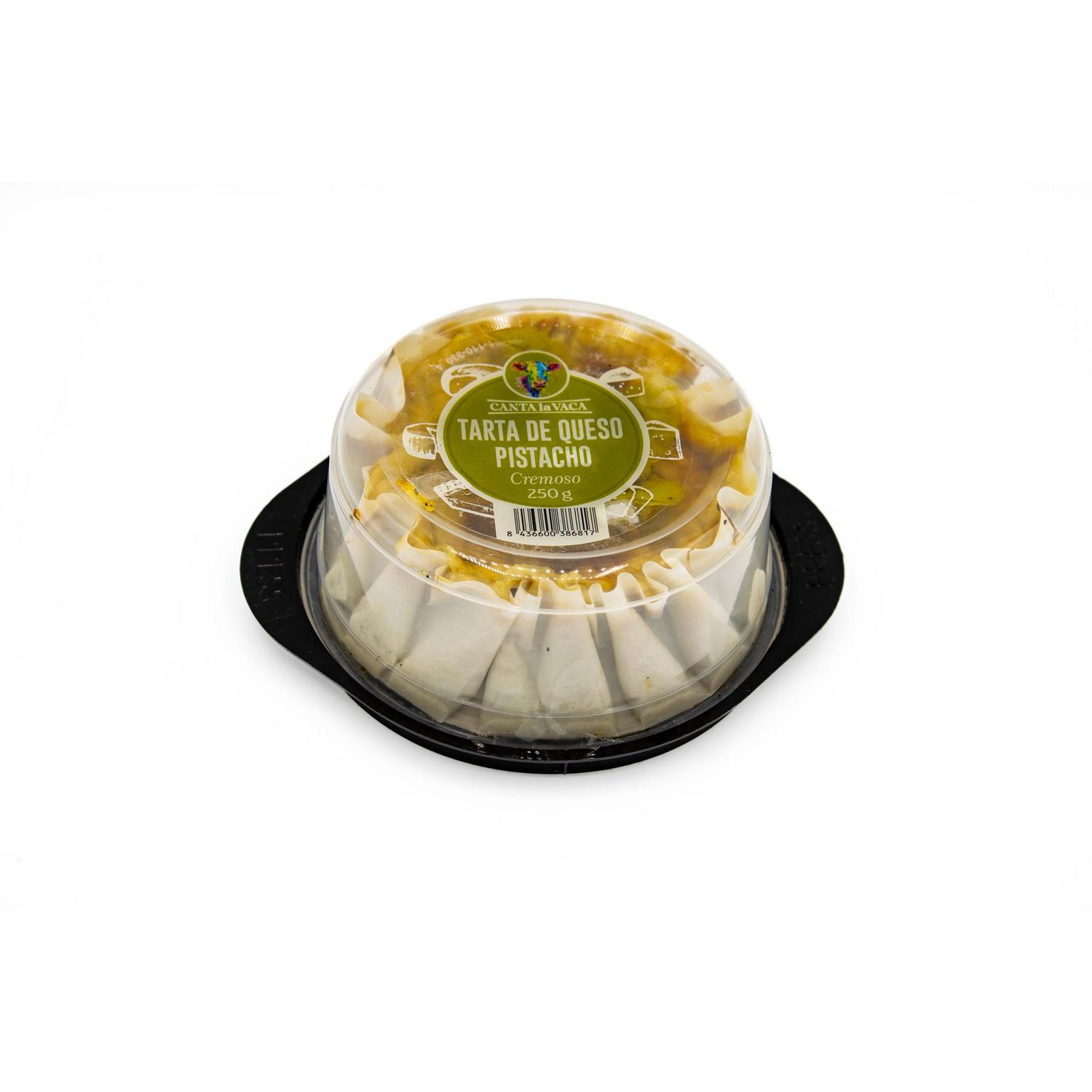
Examples found in ComerClaro Spanish product database
Product names and supermarket data may appear in Spanish.


Classification:
Statistics
206
total views
Something wrong?
If you notice incorrect or incomplete information, help us improve the platform.