Hydroxypropyl methyl cellulose
Score impact
0.00
points/product
Description
The food additive E464, known as hydroxypropyl methyl cellulose (HPMC), is a thickener, emulsifier, and stabilizer widely used in the food industry. It is a semi-synthetic derivative of cellulose, the most abundant natural polymer in plants. HPMC is obtained by chemical modification of cellulose extracted from wood or cotton.
The industrial process involves treating cellulose with sodium hydroxide to activate it, followed by reactions with propylene oxide and methyl chloride, introducing hydroxypropyl and methyl groups into the structure. This gives the molecule properties of solubility in cold water and the ability to form thermoreversible gels. HPMC is a white or slightly yellowish, odorless, and tasteless powder that dissolves in cold water forming a viscous, transparent solution. Its main function is to thicken, stabilize emulsions, retain water, and improve food texture.
The history of its use as a food additive dates back to the mid-20th century, and it was approved in the European Union after evaluations by the European Food Safety Authority (EFSA) and the Joint FAO/WHO Expert Committee on Food Additives (JECFA). EFSA has established an Acceptable Daily Intake (ADI) of 25 mg/kg body weight per day, based on toxicological studies that showed no significant adverse effects. The World Health Organization (WHO) also supports its safety.
Regarding food safety, HPMC is not absorbed in the gastrointestinal tract and is excreted unchanged, minimizing its toxic potential. On product labels, it must appear as 'hydroxypropyl methyl cellulose' or with the code E464.
In summary, the overall safety assessment is very favorable, considering it a safe additive for the general population within established limits.
E464 is used in a wide variety of food categories as a thickener, emulsifier, stabilizer, and coating agent. According to EC Regulation 1333/2008, it is authorized in numerous products, including bakery products (to improve texture and retain moisture), processed meat products (as a binder), sauces and soups (to provide consistency), dairy desserts (ice cream, yogurts), confectionery products, and dietary supplements (as an excipient in capsules).
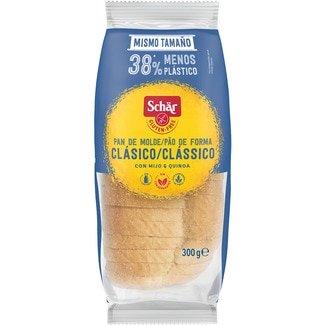
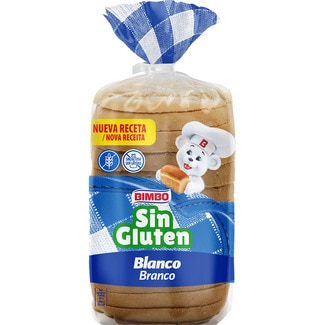
In the Spanish market, it is commonly found in sliced bread, industrial pastries, vegetable creams, prepared sauces, ice cream, and gluten-free products where it acts as a gluten substitute. Authorized limits vary by category; for example, in fine bakery products up to 10 g/kg is allowed, while in emulsified sauces the limit is 5 g/kg. Compared to the FDA, which also approves it as GRAS (Generally Recognized As Safe) without specific limits for certain uses, the EU sets more detailed limits. In Japan, its use is permitted with similar restrictions.
The versatility of E464 makes it a key additive for achieving desirable textures and stability in processed foods.
Documented side effects of E464 are minimal and generally associated with very high consumption. EFSA and JECFA have thoroughly evaluated its safety, concluding that it has no acute toxicity, genotoxicity, carcinogenicity, or reproductive effects. Being a non-digestible polymer, it is not absorbed in the gastrointestinal tract and is excreted unchanged in feces.
In animal studies, very high doses (above 5000 mg/kg/day) caused laxative effects due to its water-retaining capacity, but these levels are far above the established ADI (25 mg/kg/day). In humans, some isolated reports mention mild gastrointestinal discomfort (bloating, gas) in sensitive individuals, but there is no evidence of significant adverse effects in the general population. No particularly sensitive populations have been identified, although people with severe digestive disorders might experience discomfort with high consumption.
No interactions with medications are known, although theoretically it could interfere with drug absorption if consumed simultaneously in large amounts, but this is not documented.
The conclusion of EFSA and WHO is that E464 is safe for human consumption at authorized levels, with no relevant side effects.
- Hydroxypropylmethylcellulose
- HPMC
- Hypromellose
- Methyl hydroxypropyl cellulose
- MHPC
Products in our Spanish database containing this additive
Examples found in ComerClaro Spanish product database
Product names and supermarket data may appear in Spanish.

Classification:
Statistics
297
total views
Something wrong?
If you notice incorrect or incomplete information, help us improve the platform.