Sodium carboxymethyl cellulose; cellulose gum
Score impact
0.00
points/product
Description
The food additive E466, also known as sodium carboxymethyl cellulose or cellulose gum, is a thickener, stabilizer and emulsifier widely used in the food industry. It is a derivative of cellulose, a natural polysaccharide that forms part of the cell wall of plants.
Industrially, it is obtained by treating purified cellulose with sodium hydroxide and monochloroacetic acid, which introduces carboxymethyl groups into the cellulose molecule. The resulting product is a sodium salt soluble in cold and hot water, forming viscous and transparent solutions. Its physicochemical properties include high water retention capacity, thermal stability and resistance to enzymatic degradation. It functions as a thickener by increasing the viscosity of foods, as a stabilizer by preventing phase separation, and as an emulsifier by helping to mix immiscible ingredients.
The history of its use as a food additive dates back to the mid-20th century, and it was approved in the European Union after evaluations by the European Food Safety Authority (EFSA) and the Joint FAO/WHO Expert Committee on Food Additives (JECFA). EFSA has established an Acceptable Daily Intake (ADI) of 3 mg/kg body weight/day, based on toxicological studies that showed no significant adverse effects. The World Health Organization (WHO) also supports its safety at authorized doses.
Regarding labeling, it must appear in the ingredient list as 'sodium carboxymethyl cellulose' or 'E466'. In general, it is considered a safe additive for the general population, although moderation in consumption is recommended as part of a balanced diet.
E466 is used in a wide variety of food categories as a thickener, stabilizer and emulsifier.
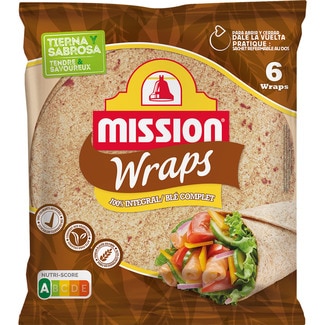
In the Spanish market, it is commonly found in ice cream (to improve texture and prevent ice crystal formation), sauces and dressings (to provide consistency), bakery products (to retain moisture and improve crumb), dairy drinks and desserts (to stabilize the emulsion), and processed meat products (to improve juiciness). According to Regulation EC 1333/2008, the authorized limits vary by category: for example, in ice cream up to 5 g/kg, in emulsified sauces up to 10 g/kg, in fine bakery products up to 5 g/kg, and in milk-based drinks up to 2 g/kg.
In comparison with the US FDA, E466 is classified as GRAS (Generally Recognized as Safe) and is permitted in amounts sufficient to achieve the desired effect, without specific limits in many categories. In Japan, it is also approved with restrictions similar to European ones.
The versatility of E466 makes it a widely used additive in the food industry.
Documented side effects of E466 are minimal and not considered significant for the general population at authorized doses. EFSA, in its 2018 re-evaluation, concluded that there is no evidence of toxicity, carcinogenicity or genotoxicity in animal studies.
The biological mechanism of action is limited to its physical function as a thickener, without being significantly absorbed by the gastrointestinal tract. However, some studies have suggested that very high doses (far above the ADI) could cause mild laxative effects due to its ability to retain water in the intestine. Sensitive populations, such as people with pre-existing gastrointestinal disorders (e.g., irritable bowel syndrome), may experience mild discomfort if they consume large amounts of foods containing E466. No interactions with medications have been reported.
WHO and EFSA consider E466 safe under authorized conditions of use, and no special restrictions have been established for vulnerable groups.
In conclusion, E466 is a well-tolerated and safe additive for the average consumer.
- Cellulose gum
- Carboxymethyl cellulose
- CMC
- Sodium carboxymethyl cellulose
- Sodium cellulose glycolate
Products in our Spanish database containing this additive
Examples found in ComerClaro Spanish product database
Product names and supermarket data may appear in Spanish.


Classification:
Statistics
295
total views
Something wrong?
If you notice incorrect or incomplete information, help us improve the platform.