Mono and diglycerides of fatty acids
Score impact
0.00
points/product
Description
The food additive E471, known as mono- and diglycerides of fatty acids, is an emulsifier widely used in the food industry. It is obtained by reacting glycerol with fatty acids of vegetable or animal origin, producing a mixture of monoesters and diesters. Industrially, the synthesis is carried out by direct esterification or glycerolysis of fats and oils.
Physically, it appears as a waxy solid, viscous liquid, or powder, depending on the fatty acid composition. Its main function is to stabilize water and oil emulsions, improving the texture and shelf life of products.
It was approved as a food additive in the European Union after evaluations by EFSA (European Food Safety Authority) and WHO (World Health Organization), which established an Acceptable Daily Intake (ADI) of 30 mg/kg body weight.
EFSA has reaffirmed its safety in several evaluations, considering it non-toxic and well tolerated. On labeling, it appears as E471 or under the name 'mono- and diglycerides of fatty acids'. Although it may be derived from animal sources, it is not considered an allergen, but vegans and vegetarians may prefer plant-based versions.
In summary, E471 is a safe and effective emulsifier with a long history of use in the food industry.
E471 is used in a wide variety of food categories as an emulsifier, stabilizer, and texturizing agent. According to EC Regulation 1333/2008, it is authorized in bakery products, pastries, cookies, ice cream, margarines, sauces, creams, chocolates, processed meat products, dairy drinks, and cream substitutes.
In the Spanish market, it is found in sliced bread, muffins, Maria-type cookies, vanilla ice cream, vegetable margarines, mayonnaises, cocoa creams, Frankfurt sausages, chocolate milkshakes, and aerosol whipped cream. Maximum limits vary by product: in bakery it is usually quantum satis (no specific limit), while in ice cream it can reach up to 10 g/kg. Comparatively, the FDA classifies it as GRAS (Generally Recognized as Safe) without specific limits, and Japan also allows it without significant restrictions. There are no relevant differences in international regulations.
Mono- and diglycerides of fatty acids (E471) are considered safe by EFSA and WHO, with no documented adverse effects in humans at the levels used. No allergic reactions, acute or chronic toxicity, or carcinogenic or genotoxic effects have been reported in animal studies. The ADI of 30 mg/kg/day was established with a wide safety margin.
There is no evidence of interactions with medications. Sensitive populations such as children, pregnant women, or the elderly do not present additional risks. However, since it can be derived from animal fats, some people may have ethical or religious concerns, but not health concerns.
In conclusion, scientific evidence supports its safety, and no significant side effects have been identified under normal consumption conditions.
- Monoglycerides and diglycerides of fatty acids
- Glyceryl monostearate
- Glyceryl monopalmitate
- Partial glycerides
- Glycerol esters of fatty acids
Products in our Spanish database containing this additive
Examples found in ComerClaro Spanish product database
Product names and supermarket data may appear in Spanish.
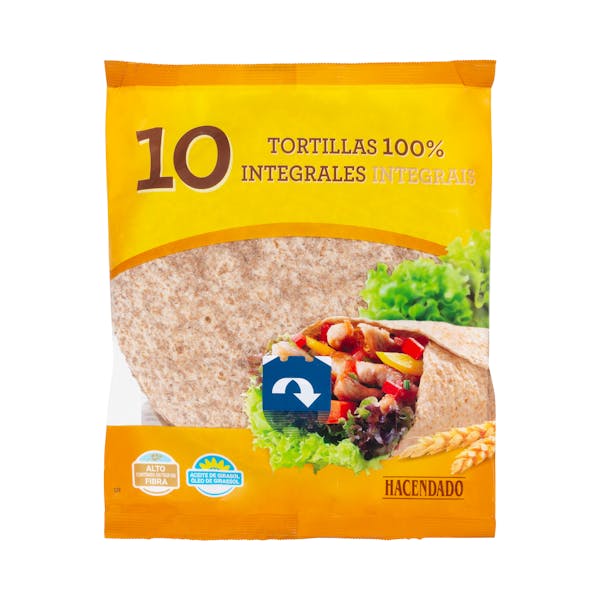

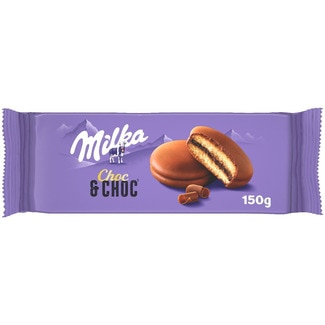
Classification:
Statistics
614
total views
Something wrong?
If you notice incorrect or incomplete information, help us improve the platform.