Citric acid esters of mono- and diglycerides of fatty acids
Score impact
0.00
points/product
Description
The food additive E472C, known as citric acid esters of mono- and diglycerides of fatty acids, is an emulsifier used in the food industry to improve the texture and stability of products. It is obtained by esterification of mono- and diglycerides of fatty acids with citric acid, a process that combines natural glycerides with citric acid, naturally present in citrus fruits.
Industrially, it is produced from edible fats and oils (such as palm, soybean, or sunflower oil) that undergo glycerolysis to obtain mono- and diglycerides, which then react with citric acid under controlled temperature and pressure conditions. The result is a complex mixture of esters, mainly mono- and diglycerides esterified with citric acid, with emulsifying and stabilizing properties.
Physicochemically, E472C appears as a waxy solid or viscous liquid from white to light yellow, with a slight citrus odor and taste. It is soluble in fats and oils, and dispersible in hot water, forming stable emulsions. Its main function is to reduce surface tension between immiscible phases (water and oil), allowing the formation and stabilization of emulsions. It also acts as a texturizing agent, improving consistency and preventing ingredient separation. Additionally, it may have antioxidant properties due to citric acid, although its primary use is as an emulsifier.
Historically, citric acid esters of mono- and diglycerides were approved as a food additive in the European Union in the 1990s, following safety evaluations. The European Food Safety Authority (EFSA) has re-evaluated E472C several times, most recently in 2019, concluding that it is safe at authorized use levels. The World Health Organization (WHO) and the Joint FAO/WHO Expert Committee on Food Additives (JECFA) have also evaluated it, establishing an Acceptable Daily Intake (ADI) of 30 mg/kg body weight per day for the group of fatty acid esters with organic acids (including E472c). This ADI is based on toxicological studies that showed no significant adverse effects.
Regarding labeling, E472C must be declared in the ingredient list by its name or E number, and has no special use restrictions beyond good manufacturing practices. Overall, it is considered a safe and well-tolerated additive for the population.
E472C is mainly used as an emulsifier in a wide variety of food products. According to EC Regulation 1333/2008, it is authorized in categories such as fine bakery products (cakes, cookies), cocoa and chocolate products, ice cream, emulsified sauces, processed meat products, and dairy drinks, among others.
In the Spanish market, it is found in margarines, spreads, sliced bread, industrial pastries, vegetable creams, and some dairy desserts. Use limits vary by category, but generally the quantum satis principle (sufficient amount to achieve the desired effect) applies, without a specific maximum limit, except in some products where limits such as 10 g/kg are set. Compared to the US FDA, E472C is classified as GRAS (Generally Recognized as Safe) and is allowed in similar foods, although with some differences in authorized categories. In Japan, it is also approved as an emulsifier.
Its versatility and safety profile make it a common choice in the food industry.
Toxicological studies on E472C have not documented significant adverse effects in humans when consumed within established limits. EFSA, in its 2019 re-evaluation, concluded that there are no safety concerns for the general population, including children and the elderly, at current use levels. Animal studies showed no acute or chronic toxicity, nor effects on reproduction or development.
The biological mechanism of E472C involves its hydrolysis in the digestive tract to citric acid and mono/diglycerides, which are natural metabolic compounds. No specific allergies associated with this additive have been reported, although individuals with citric acid allergy (rare) could be sensitive. No interactions with medications are known. WHO/JECFA established an ADI of 30 mg/kg bw/day, which is much higher than the estimated dietary intake. In conclusion, E472C is considered safe and well-tolerated, with no documented side effects under normal use conditions.
- Citric acid esters of mono- and diglycerides of fatty acids
- Citric acid esters of mono- and diglycerides
- Citric acid esters of glycerides
- Citroglycerides
- Mono- and diglycerides esterified with citric acid
- E-472c
- INS 472c
- Mono- and diglycerides of fatty acids with citric acid
- Citric acid esters of mono- and diglycerides of edible fats
- Food-grade citroglyceride
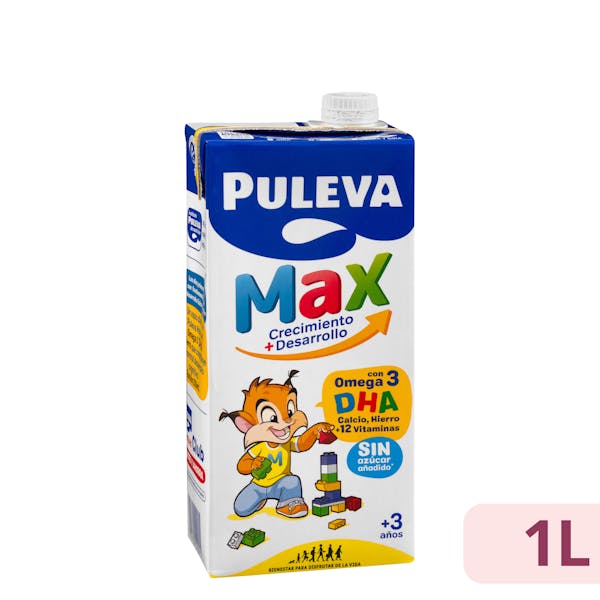
Products in our Spanish database containing this additive
Examples found in ComerClaro Spanish product database
Product names and supermarket data may appear in Spanish.


Classification:
Statistics
219
total views
Something wrong?
If you notice incorrect or incomplete information, help us improve the platform.