Carbonates
Score impact
0.00
points/product
Description
The food additive E500, known as carbonates, includes several salts of carbonic acid, mainly sodium carbonate (E500i), sodium hydrogen carbonate or sodium bicarbonate (E500ii), and sodium sesquicarbonate (E500iii). It also includes potassium carbonate (E501) and calcium carbonate (E170), but E500 specifically refers to sodium carbonates.
Its origin is mostly mineral: it is obtained from the extraction of natural deposits of trona (sodium carbonate dihydrate) or through the Solvay process, which combines common salt, ammonia, and limestone. Industrially, sodium bicarbonate is produced by carbonation of a sodium carbonate solution with carbon dioxide. Physicochemical properties vary: sodium carbonate is a hygroscopic white powder, soluble in water, with an alkaline pH (around 11); sodium bicarbonate is less alkaline (pH 8.3) and decomposes above 50°C releasing CO2.
Its main function is as a leavening agent: when reacting with an acid (such as citric acid or tartaric acid) or when heated, it produces carbon dioxide, which forms bubbles and sponges pastry doughs. It is also used as an acidity regulator, stabilizer, and anticaking agent.
Historically, sodium bicarbonate has been used since ancient times; in the EU it was approved as a food additive after the directives of the 1990s. The European Food Safety Authority (EFSA) has re-evaluated carbonates several times, most recently in 2018 (EFSA Journal 2018;16(6):5311), concluding that there are no safety concerns at the authorized use levels. The World Health Organization (WHO) and the Joint FAO/WHO Expert Committee on Food Additives (JECFA) established an Acceptable Daily Intake (ADI) of "not limited" for sodium bicarbonate and other carbonates, meaning that no level causing adverse effects has been identified.
The overall safety assessment is very high: it is considered a safe and well-tolerated additive. On labels, it appears as "sodium carbonates" or "sodium bicarbonate", or with the code E500. It is important to note that, although safe, excessive consumption can alter the acid-base balance of the body, but the amounts used in foods are far below those that could cause problems.
E500 is used in a wide variety of food categories. As a leavening agent, it is essential in bakery and pastry products: cookies, muffins, sponge cakes, quick breads, and cake mixes. It is also used in pizza dough, pancakes, and industrial baked goods. In the Spanish market, brands such as Hacendado, Bimbo, or Dulcesol include it in their products. Additionally, it is used as an acidity regulator in carbonated beverages, artificial mineral waters, and in some dairy products such as processed cheeses.
It also acts as an anticaking agent in salts and spices, and as a stabilizer in processed meat products. According to Regulation EC 1333/2008, authorized limits vary by category: in bakery products, the maximum amount is quantum satis (no specific limit, but must be the minimum necessary to achieve the technological effect); in non-alcoholic beverages, up to 300 mg/L; in processed cheeses, up to 30 g/kg. Compared to the FDA, which also considers it GRAS (Generally Recognized As Safe), uses are similar. Japan allows its use without specific restrictions. It is one of the most common and versatile additives in the food industry.
Carbonates (E500) are considered safe by the main food safety agencies. EFSA and JECFA have established an ADI of "not specified", indicating that no adverse effects have been observed in animal or human studies at usual use levels. However, excessive and occasional consumption of sodium bicarbonate can cause gastrointestinal discomfort such as gas, bloating, or diarrhea due to the release of CO2 in the stomach.
In people with kidney failure, high sodium intake (present in sodium carbonate) may contribute to hypertension or edema, but the amounts in foods are small. No carcinogenic, mutagenic, or teratogenic effects have been documented. There are no significant drug interactions, although bicarbonate may alter the absorption of some medications if taken simultaneously. Sensitive populations are those with sodium-restricted diets (e.g., hypertensive individuals) or with kidney problems.
The conclusion of EFSA and WHO is that E500 is safe under the authorized conditions of use.
- Sodium carbonate
- Sodium bicarbonate
- Sodium hydrogen carbonate
- Sodium sesquicarbonate
- Soda Ash
- Baking Soda
- Vichy Salt
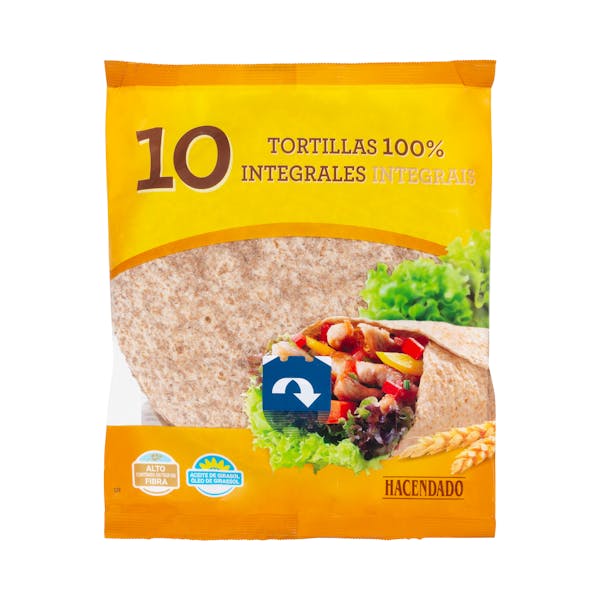
Products in our Spanish database containing this additive
Examples found in ComerClaro Spanish product database
Product names and supermarket data may appear in Spanish.


Classification:
Statistics
451
total views
Something wrong?
If you notice incorrect or incomplete information, help us improve the platform.