Sodium Bicarbonate (Acid Salt)
Score impact
0.00
points/product
Description
The food additive E500ii, universally known as sodium acid carbonate or sodium bicarbonate, is a sodium salt derived from carbonic acid. It appears as a white crystalline powder, odorless, with a slightly alkaline taste. Unlike sodium carbonate (E500i), bicarbonate is more versatile in industrial applications due to its ability to react quickly with mild acids.
Industrial production is mainly carried out via the Solvay process, which uses sodium chloride, ammonia, and carbon dioxide to produce a high-purity compound suitable for human consumption. Its primary technological function is as a leavening or gasifying agent, although it also acts as an acidity regulator and anti-caking agent.
Its ability to release carbon dioxide when heated or mixed with acidic components (such as yogurt, lemon juice, or cream of tartar) is what allows doughs to gain volume and lightness.
The safety of E500ii has been widely supported by the European Food Safety Authority (EFSA) and JECFA (FAO/WHO). No specific Acceptable Daily Intake (ADI) has been established for this additive, as the human body manages bicarbonate and sodium as part of its normal metabolic processes for electrolyte balance. In the European Union, its use is authorized under the quantum satis principle.
Sodium acid carbonate is the most common leavening agent in the food industry, essential for the production of bakery goods, pastries, and industrial confectionery. Its inclusion in formulas allows cakes, cookies, muffins, and specialty breads to develop an airy crumb and spongy texture. In addition to its role in baking, it is extensively used in the soft drink and carbonated water industry, where it helps regulate flavor and stabilize the level of dissolved carbon dioxide.
In the processing of legumes and vegetables, it is often added to cooking water to soften fibers and reduce preparation times, as well as to help preserve the green color of certain vegetables by neutralizing acids released during heating.
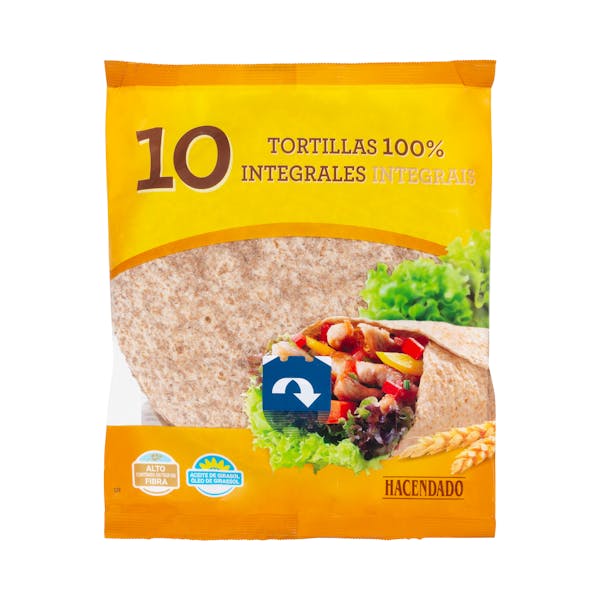
In the Spanish market, E500ii is a basic ingredient that appears on the labels of countless products from store brands such as Hacendado (Mercadona), Carrefour, or Lidl, as well as leading brands of pastries and savory snacks. It is an essential component of chemical leavening agents and prepared flours for home baking. It is also used in the production of batter mixes and tempura to provide a crispier final texture. According to Regulation EC 1333/2008, its use is permitted in a wide variety of processed food categories.
Internationally, the US FDA recognizes it under the status of Generally Recognized as Safe (GRAS), allowing its extensive use in the global industry without severe dosage restrictions.
From a food safety perspective, E500ii is considered one of the most innocuous additives on the market, with virtually no toxicity at the doses used by industry. The human body naturally uses bicarbonate as a buffering system in the blood to maintain pH balance. Scientific studies by EFSA have not identified carcinogenic, genotoxic, or reproductive effects in long-term research.
However, because E500ii is a direct source of sodium, excessive consumption through processed foods should be considered by individuals with high blood pressure or kidney diseases requiring low-salt diets. In very high doses, exceeding those present in a normal diet, it may cause mild gastrointestinal effects such as abdominal distension, gas, or belching due to the sudden release of carbon dioxide in the stomach after reacting with gastric juices.
Overall, for the healthy population, sodium bicarbonate is a safe additive that does not pose a public health risk according to the international scientific consensus of WHO and EFSA.
- Sodium bicarbonate
- Sodium acid carbonate
- Sodium hydrogen carbonate
- Bicarbonate of soda
Products in our Spanish database containing this additive
Examples found in ComerClaro Spanish product database
Product names and supermarket data may appear in Spanish.


Classification:
Statistics
316
total views
Something wrong?
If you notice incorrect or incomplete information, help us improve the platform.