Potassium carbonate
Score impact
0.00
points/product
Description
E501, or potassium carbonate (K2CO3), is a food additive mainly used as a raising agent, acidity regulator, and stabilizer. It is an inorganic potassium salt that appears as a white, hygroscopic powder, highly soluble in water, with a strong alkaline reaction. Industrially, it is obtained by carbonation of potassium hydroxide (KOH) with carbon dioxide (CO2), or from potassium-rich plant ashes, although this method is less common in modern industry.
Potassium carbonate has been used since ancient times in soap and glass making, and its food use dates back to the 19th century as a leavening agent in pastry.
In the European Union, it is authorized as a food additive with the number E501, and its use is regulated by Regulation (EC) No 1333/2008. The European Food Safety Authority (EFSA) has evaluated potassium carbonate several times, concluding that it poses no health risks at authorized use levels. The World Health Organization (WHO) and the Joint FAO/WHO Expert Committee on Food Additives (JECFA) have also evaluated it, establishing an Acceptable Daily Intake (ADI) 'not specified', meaning that it is not considered necessary to set a maximum daily intake limit, as the amount consumed through the diet does not represent a health risk.
This assessment is based on the low toxicity of potassium carbonate and the fact that potassium is an essential mineral for the body, although excessive consumption could alter electrolyte balance in people with kidney failure. In food labeling, it must appear as 'potassium carbonate' or 'E501'.
In summary, E501 is a safe and widely used food additive with a long history of use and favorable evaluations from health authorities.
Potassium carbonate (E501) is used in various food categories according to EC Regulation 1333/2008. Its main functions are as a raising agent (in pastry and bakery), acidity regulator (to maintain pH in dairy and meat products), and stabilizer.
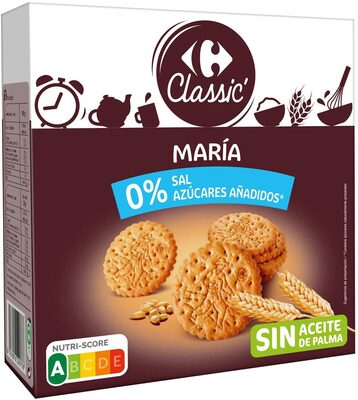
In the Spanish market, it is found in products such as cookies, sponge cakes, sliced bread, industrial pastries, cocoa powder, condensed milk, processed cheese, and plant-based beverages (such as soy milk). It is also used in wine making (to reduce acidity) and in table olives. Authorized limits vary by category: in fine bakery products, the maximum amount is 5 g/kg (expressed as potassium carbonate); in cocoa beverages, up to 2 g/kg; in condensed milk, 2 g/kg; in processed cheese, 3 g/kg.
Compared to the US FDA, potassium carbonate is considered GRAS (Generally Recognized as Safe) and its use has no specific limits, as long as it complies with good manufacturing practices. In Japan, it is also permitted with restrictions similar to European ones.
The versatility of E501 makes it a common additive in the food industry, especially in products that require a spongy texture or controlled pH.
Potassium carbonate (E501) is generally recognized as safe by major food safety agencies (EFSA, JECFA). No significant adverse effects in humans have been documented from its consumption at levels present in foods.
As a source of potassium, excessive intake could contribute to hyperkalemia (high blood potassium levels) in people with kidney failure or those taking medications that affect potassium balance (such as potassium-sparing diuretics or ACE inhibitors). However, the amounts used as an additive are small compared to total dietary potassium intake (recommended 3500 mg/day for adults). In animal studies, very high doses of potassium carbonate have caused gastrointestinal irritation and electrolyte imbalances, but these levels are not relevant for human consumption.
EFSA concluded that there is no need to establish a numerical ADI, as dietary exposure to the additive does not pose a health risk. No specific allergies or intolerances to E501 have been reported.
In summary, for the general population, potassium carbonate is safe; only people with advanced kidney disease should consult their doctor about consuming foods containing this additive.
- Potassium carbonate
- Potash
- Carbonic acid potassium salt
- Dipotassium carbonate
Products in our Spanish database containing this additive
Examples found in ComerClaro Spanish product database
Product names and supermarket data may appear in Spanish.


Classification:
Statistics
370
total views
Something wrong?
If you notice incorrect or incomplete information, help us improve the platform.