Potassium bicarbonate
Score impact
0.00
points/product
Description
The food additive E501ii, technically named potassium hydrogen carbonate or potassium bicarbonate, is a potassium salt of carbonic acid. It typically appears as a white, odorless crystalline powder with high solubility in water. Unlike its neutral variant (E501i), potassium bicarbonate has a more specific pH regulation capacity, making it an essential ingredient for controlled chemical processes in food production.
Industrially, it is obtained by reacting a solution of potassium carbonate with carbon dioxide, a process that ensures a purity grade suitable for human consumption. Its main function in food technology is as a raising agent, although it also acts effectively as an acidity regulator and stabilizing agent.
When subjected to baking temperatures or when it comes into contact with acidic components, it releases carbon dioxide, allowing doughs to increase in volume and acquire a spongy texture. Additionally, it is a common alternative to sodium bicarbonate in products where reducing sodium content is desired without compromising the physical properties of the food.
The safety of E501ii has been ratified by the European Food Safety Authority (EFSA) and the JECFA committee (FAO/WHO). Both bodies classify it within the category of additives that do not require a specific Acceptable Daily Intake (ADI), because the body processes potassium and carbonate ions naturally through standard metabolic pathways. In European Union legislation, its use is authorized under the quantum satis principle, allowing manufacturers to use the amount strictly necessary to achieve the intended technological effect.
Potassium hydrogen carbonate plays a crucial role in various sectors of the food industry due to its stable chemical properties and its ability to interact with the acidity of media. In the field of industrial baking and pastry making, it is a common component of chemical leavening agents or baking powders, used in the production of cookies, sponge cakes, and pizza doughs to ensure uniform rising during baking.
Likewise, its use is fundamental in cocoa processing (alkalization or "Dutch process"), where it is used to neutralize the natural acidity of the bean, soften the flavor, and darken the color of the resulting cocoa powder, also improving its solubility in liquids.
In the beverage industry, E501ii is frequently used in the formulation of prepared mineral waters and soft drinks to adjust flavor and act as a buffering agent that maintains pH balance. It also has a notable application in oenology, where it is used to reduce excessive acidity of musts and wines in years of harvests with incomplete ripening. On the other hand, its ability to act as a source of potassium makes it present in some nutritional supplements and functional foods aimed at athletes.
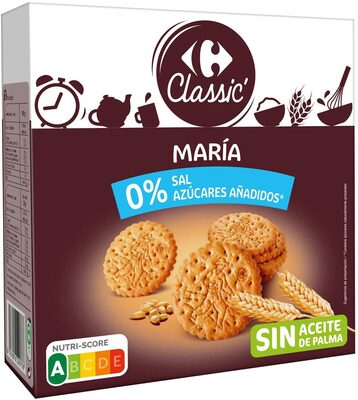
Within the Spanish market, it is common to identify E501ii on the labeling of products from distribution brands such as Hacendado (Mercadona), Carrefour, or Lidl, especially in preparations for home baking, instant cocoa powders, and some types of toasted bread or salty snacks. The regulatory framework governing these applications is Regulation EC 1333/2008, which allows its inclusion in a wide variety of food categories without severe restrictions. In the United States, the FDA recognizes it as a GRAS (Generally Recognized as Safe) substance, consolidating its position as a trusted technical standard in global food production.
The toxicological profile of E501ii is extremely low, considered a safe additive for the general population under authorized conditions of use. When ingested, potassium bicarbonate dissociates in the digestive tract; the carbonate is neutralized by gastric acid releasing carbon dioxide and water, while potassium is absorbed to be used in critical cellular functions or excreted through the kidneys. Scientific studies have shown no evidence of mutagenicity, carcinogenicity, or adverse effects on the reproductive system.
Despite its general safety, there are specific clinical considerations for certain population groups. Due to its potassium content, people with chronic kidney disease or those taking medications that alter the excretion of this mineral (such as certain diuretics or ACE inhibitors) should moderate their total intake to avoid hyperkalemia.
In massive doses, far higher than those present in a normal diet, it could cause mild gastrointestinal discomfort such as bloating or belching due to gas release in the stomach. However, for the average consumer, E501ii does not pose a health risk and is a safe source of mineral correction in processed foods.
- Potassium hydrogen carbonate
- Potassium bicarbonate
- Potassium hydrogen carbonate
- Potassium bicarbonate
Products in our Spanish database containing this additive
Examples found in ComerClaro Spanish product database
Product names and supermarket data may appear in Spanish.


Classification:
Statistics
240
total views
Something wrong?
If you notice incorrect or incomplete information, help us improve the platform.