Sodium hydroxide
Score impact
0.00
points/product
Description
E524, sodium hydroxide (NaOH), is a food additive classified as an acidity regulator. It is a strong, white, solid, hygroscopic base, commonly available in flakes, lentils, or dissolved in water. Industrially, it is obtained by electrolysis of an aqueous sodium chloride solution (chlor-alkali process), producing chlorine, hydrogen, and sodium hydroxide. It can also be obtained by reacting sodium carbonate with slaked lime.
Its physicochemical properties include high solubility in water (111 g/100 mL at 20 °C), strongly alkaline pH (13-14 in a 1 M solution), and the ability to neutralize acids. Its main function is to adjust and stabilize the pH of foods, preventing microbial growth and improving texture and flavor.
Historically, the use of sodium hydroxide in foods dates back to traditional practices such as treating olives or preparing pretzel dough. In the European Union, it was approved as a food additive after evaluations by EFSA (European Food Safety Authority) and the Scientific Committee for Food (SCF). In its 2018 re-evaluation, EFSA established an Acceptable Daily Intake (ADI) of 'not specified', indicating no health risk at authorized use levels. WHO, through JECFA, also considers it safe without a numerical limit.
The overall safety assessment is high: it is considered a safe additive when used in accordance with good manufacturing practices. On labels, it must appear as 'sodium hydroxide' or 'E524'. It is important to note that, although safe in foods, concentrated handling requires caution due to its corrosivity.
E524 is used in various food categories as an acidity regulator and pH adjuster. According to Regulation EC 1333/2008, it is authorized in multiple products with limits varying by category. For example, in biscuits and fine bakery products, up to 5 g/kg; in breakfast cereals, up to 2.5 g/kg; in table olives, quantum satis; in cocoa and chocolate, up to 7 g/kg; in confectionery products, up to 5 g/kg; in ice cream, up to 0.5 g/kg; in non-alcoholic beverages, up to 0.3 g/kg; in sauces and condiments, up to 2 g/kg; in meat products, up to 4 g/kg; in processed cheeses, up to 3 g/kg.
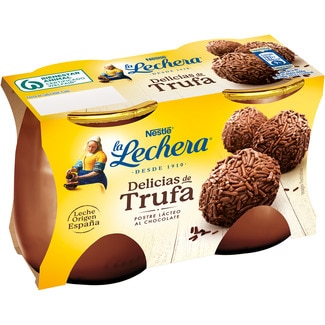
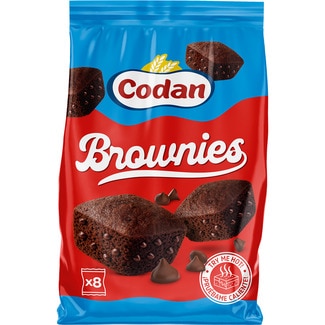
In the Spanish market, it is found in treated green olives, pretzels (where it gives the characteristic crunchy texture), cracker-type biscuits, breakfast cereals, cocoa powder, hard candies, ice cream, sauces such as soy sauce, and some sausages. Comparatively, the FDA (USA) classifies it as GRAS (Generally Recognized As Safe) without specific limits, while in Japan it is permitted with restrictions similar to the EU.
The versatility of E524 makes it a common additive in the food industry.
Documented adverse effects of E524 in foods are virtually non-existent at use concentrations. EFSA, in its 2018 opinion, concluded that there is no safety concern for the general population, including children, because dietary exposure is low and the compound is rapidly neutralized in the stomach.
The biological mechanism is simple: as a strong base, it reacts with stomach acids to form salts (sodium chloride) and water, without accumulation. No carcinogenic, genotoxic, or reproductive effects have been identified in animal studies. Sensitive populations could be people with severe gastric disorders (ulcers) if they consumed very high amounts, but authorized levels are safe. No interactions with medications are known. WHO/JECFA also considers it safe without a numerical ADI.
In conclusion, E524 is one of the safest additives, provided it is used within legal limits. However, industrial handling of the concentrated product requires safety measures due to its corrosivity, but this does not affect the final consumer.
- Sodium hydrate
- Caustic soda
- Lye
- NaOH
Products in our Spanish database containing this additive
Examples found in ComerClaro Spanish product database
Product names and supermarket data may appear in Spanish.

Classification:
Statistics
238
total views
Something wrong?
If you notice incorrect or incomplete information, help us improve the platform.